[Seasonal Offer] Striking technologies
Unique ground, naval and air vehicles – in seasonal offers only!
Seasonal Offers
Commanders! 🚩 From From December 4th to December 10th, 2025 (ends at 07:00 GMT), as part of a Seasonal Offer, a new set of unique premium vehicles will be available to you. After completing special Seasonal Challenges, you will be able to purchase it with a maximum discount:
- In the Tank Campaign: MSC + 4 Keys for the Big Trophy from the “South Wind” season + Back-ups x5, Repair Kits x100, Medical Kits x100, Fire Extinguishers x50.
- In the Ship Campaign: battleship USS South Dakota + 4 Keys for the Big Trophy from the “South Wind” season + Smoke Generators x250 + Naval Supply x250.
- In the Aviation Campaign: Ho 229 V3 fighter + 4 Keys for the Big Trophy from the “South Wind” season + Back-ups x10.
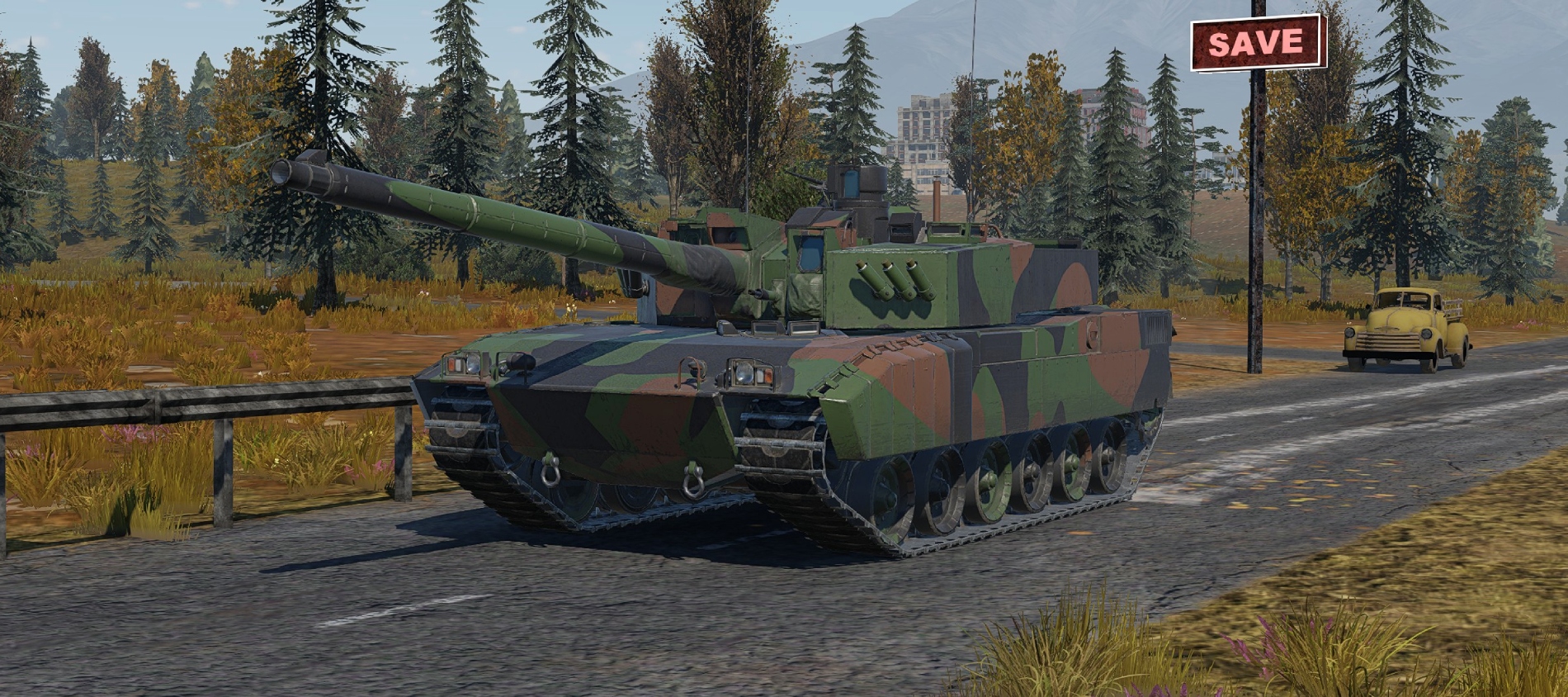
MSC (Rank XI)
Historical note
In 1986, as part of the French program to develop a new main battle tank (MBT) to replace the AMX-30, a comprehensive prototype of the future Leclerc tank was created, designated MSC (Maquette Simplifiée de Char). This vehicle integrated all key developments from the multi-year program: a new 120 mm smoothbore gun, an autoloader, an advanced fire control system, and a modern powerplant. Together, these features represented a qualitative leap over its predecessors.
Intensive testing of the MSC prototype over the next three years laid a solid foundation for the final design of the serial tank. These tests allowed for the refinement and validation of all major systems and components. As a result, serial production of the Leclerc tank commenced in the early 1990s. The first vehicles officially entered service with the French Army in 1992.
SWOT Analysis
- Strengths: Autoloader, excellent APFSDS shell, solid mobility, well-protected turret cheeks.
- Weaknesses: Vulnerable hull, limited ammunition variety.
- Opportunities: Engaging armored targets, rapid flanking maneuvers, holding key positions.
- Threats: Attacks targeting its side and rear armor.

In battle
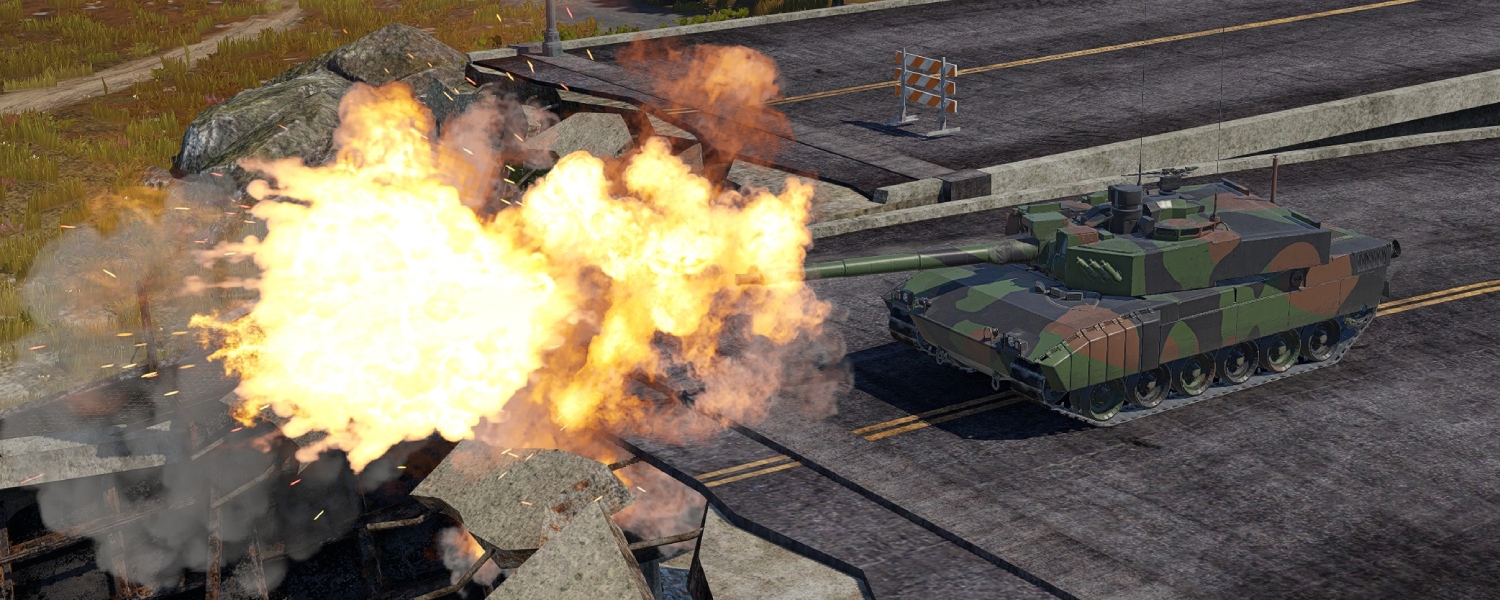
Introducing the prototype of the legendary French Leclerc Main Battle Tank! The core of this prototype's firepower, just like the production models, is its 120 mm gun fed by an autoloader from a spacious ready rack. The tank gets only two shell types, but what great shells they are!
View the characteristics of the MSC’s shells:
View the characteristics of the MSC’s shells:
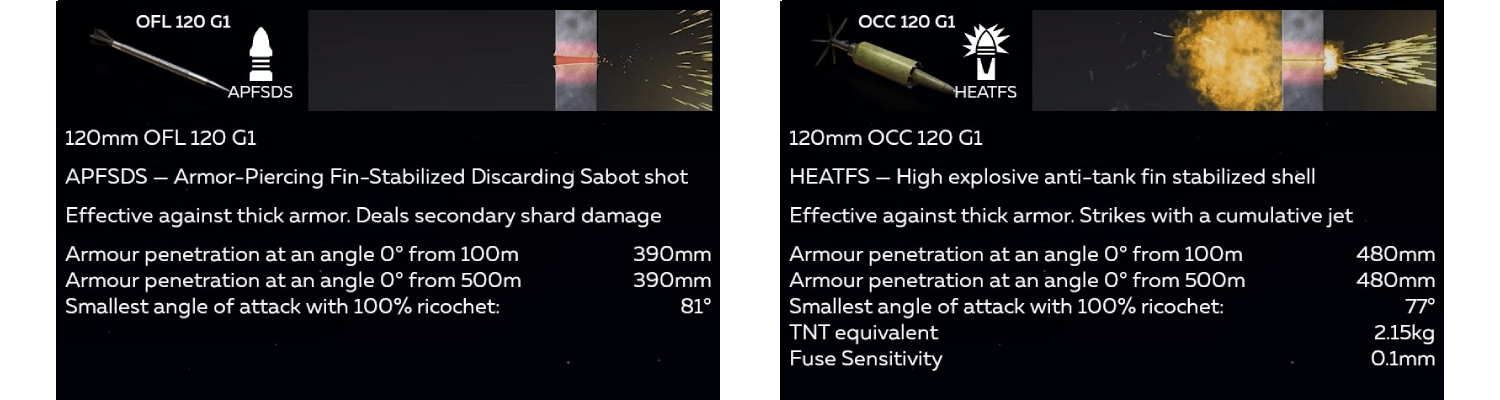
The HEATFS OCC 120 G1 shell will make short work of light vehicles. Meanwhile, the APFSDS OFL 120 G1 shell will serve as your primary round against enemy tanks. Its penetrating power is sufficient to punch through the hull or turret of nearly any adversary you face.
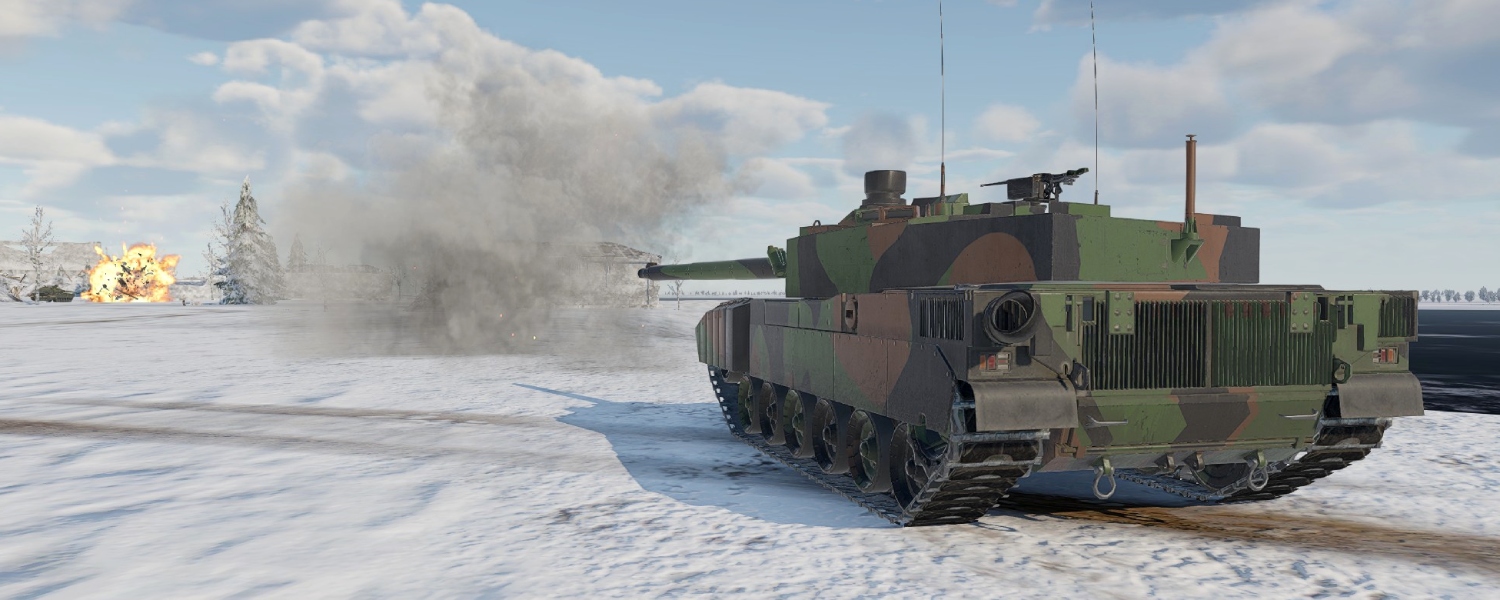
Despite having somewhat simplified armor compared to the production Leclerc, the prototype retains excellent mobility. This agility, a hallmark of French MBT design, combined with its powerful gun and high fire rate, makes the vehicle a versatile combat unit.
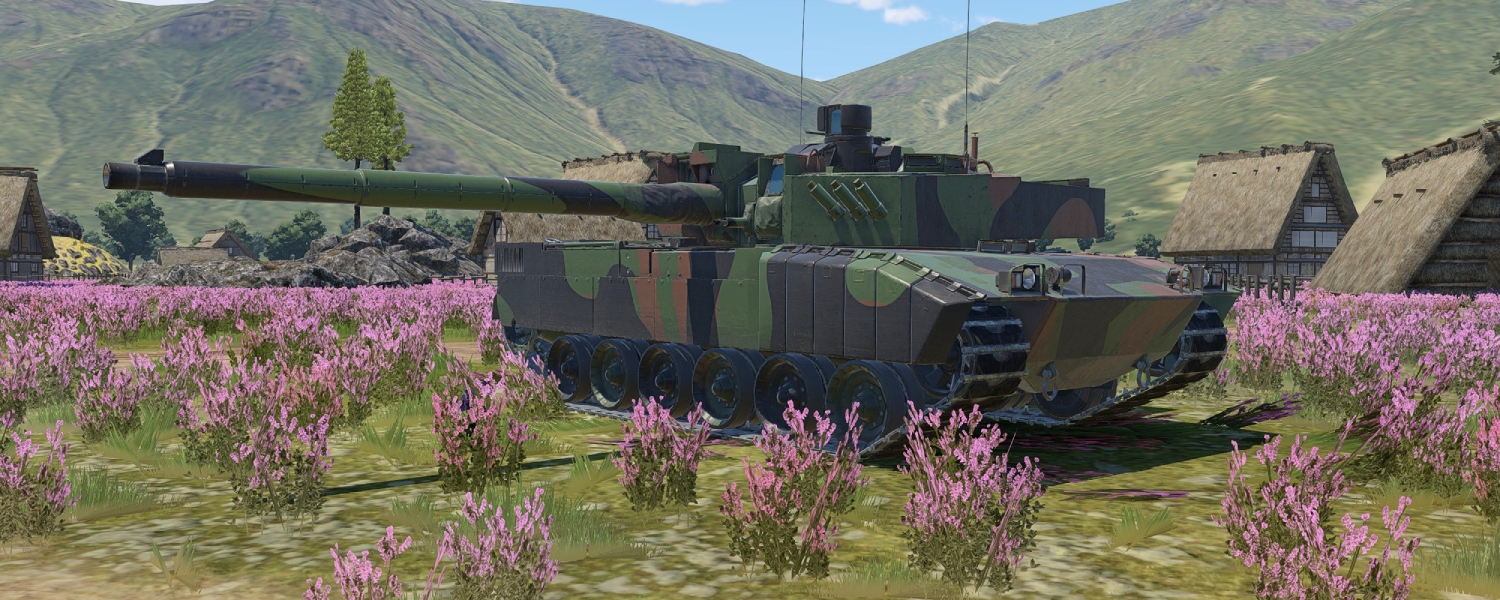
The MSC is fully capable of handling any tactical challenge – whether in urban combat or on open ground. Learn its strengths, manage your ammunition wisely, and charge into battle!
USS South Dakota (Rank IV)
Historical note
USS South Dakota was born from a project to rectify the key weakness of its North Carolina-class predecessors: insufficient protection against 16 inch (406 mm) shells. While retaining the main battery, the new design was developed almost from scratch, featuring a shorter hull. This compact layout allowed for a more concentrated propulsion system, which reduced the length of the citadel and enabled an innovative armor scheme. Despite a more powerful powerplant, the battleship's top speed saw a slight reduction due to its hull form.
The lead ship of the class, BB-57, served as a fleet flagship, distinguished by an enlarged conning tower. This modification came at the cost of reducing the number of dual-purpose secondary guns. Throughout its construction and service in World War II, the anti-aircraft armament of these battleships was continuously upgraded: the original 28 mm "Chicago Piano" mounts were replaced with more effective 40 mm Bofors and 20 mm Oerlikon autocannons. A total of four battleships of this class were commissioned between 1939 and 1942.
SWOT Analysis
- Strengths: Most powerful main battery, excellent protection, strong anti-aircraft weaponry.
- Weaknesses: Low maneuverability.
- Opportunities: Annihilating armored targets, providing anti-aircraft cover for allies, holding the front line in prolonged artillery duels.
- Threats: Coordinated attacks by fast, powerful, and agile opponents.

In battle
Commanders, USS South Dakota is rightfully considered one of the most successful battleships of its class in U.S. Navy service! A key advantage of this vessel is its powerful and versatile armament. Let's start with the main battery: its primary weapon consists of three well-protected triple turrets with 16 inch (406 mm) guns. Their shells are capable of breaching the armor of any adversary at all effective combat ranges in the game.
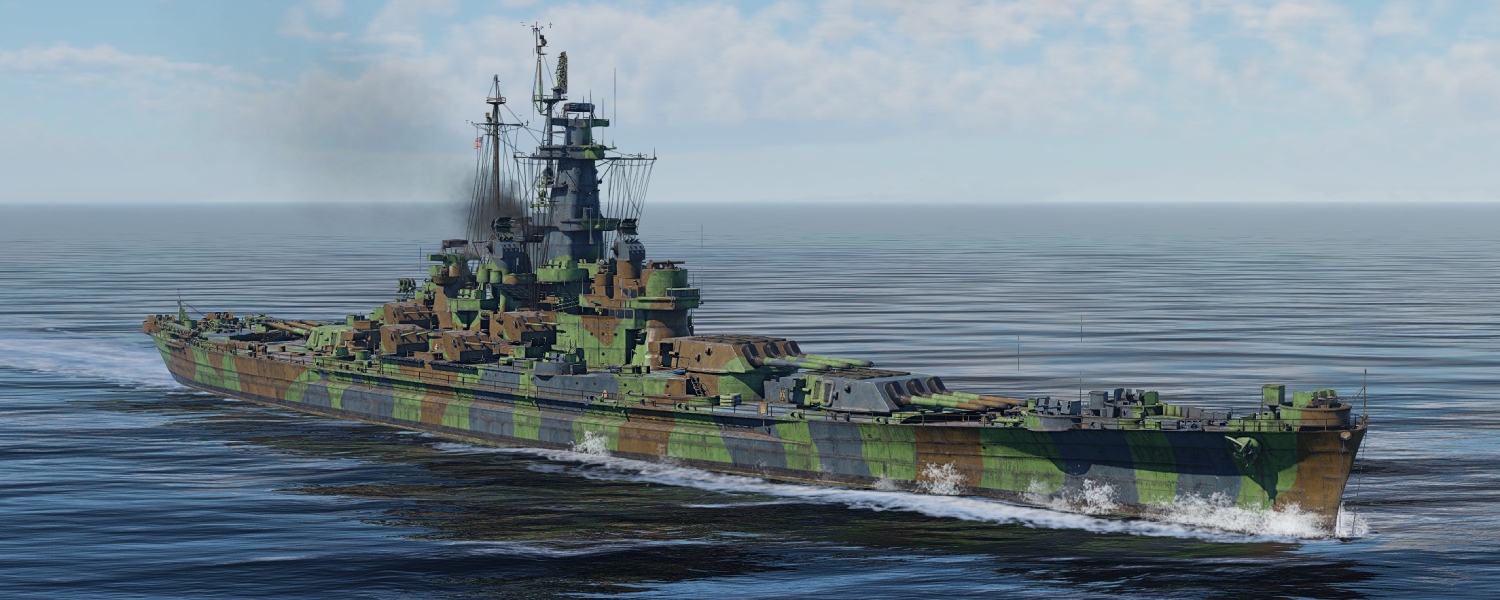
Between salvos from the main guns, the secondary battery comes into play, featuring versatile 5 inch (127 mm) dual-purpose guns. They also form the first line of the ship's anti-aircraft defense at long range and high altitude. And when enemy aircraft close in, a numerous battery of 40 mm automatic cannons joins the fray, unleashing a veritable storm of steel!
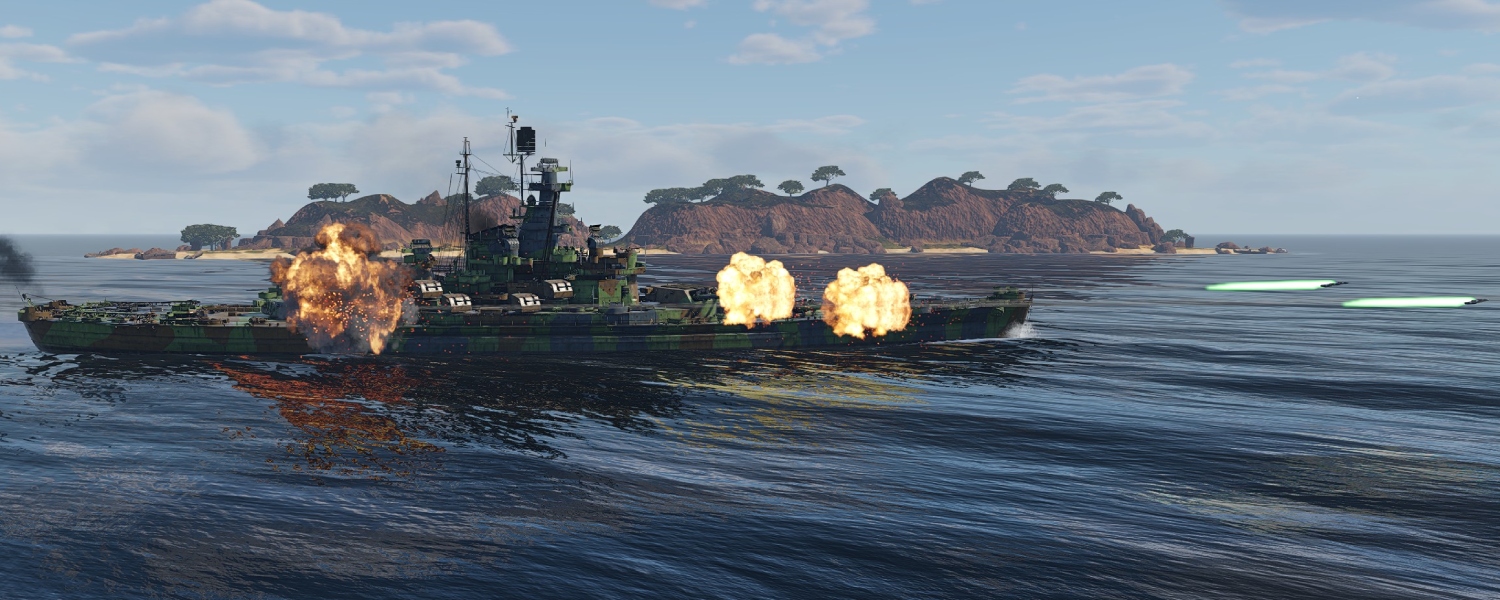
The characteristic short and wide hull of USS South Dakota is a direct result of its well-thought-out protection system. The battleship boasts considerable survivability in combat and can effectively trade fire with multiple opponents for an extended period.

However, the most notable drawback of this heavy battleship is its less-than-ideal maneuverability. A skilled captain should pay close attention to this trait and plan their route in advance to ensure they can deal maximum damage in the most critical area of the battle.
Ho 229 V3 (Rank IX)
Historical note
The experimental jet-powered Ho 229, created by the Horten brothers as a "flying wing," was one of the most unorthodox projects of the late-war Luftwaffe. It was developed as a high-speed bomber intended to meet the demanding "3×1000" requirement: to carry 1000 kg of bombs over 1000 km at a speed of 1000 km/h. The unpowered V1 glider was successfully tested in 1944, while the jet-powered V2 prototype first took to the air in December of the same year, only to crash soon after.
The third and most advanced prototype, the V3, featured increased dimensions and a reinforced airframe and was slated to be the pre-production standard. By the time Allied forces captured the factory in April 1945, it was nearly complete. After the war, this unique aircraft was shipped to the United States, meticulously restored, and now holds a place of honor in the exhibition of the National Air and Space Museum in Washington, D.C.
SWOT Analysis
- Strengths: Excellent level-flight speed and unique turn-rate agility, combined with powerful 30 mm cannons.
- Weaknesses: Extremely poor acceleration and low climb rate, making it vulnerable at the start of an engagement and when energy is depleted.
- Opportunities: The perfect tool for high-speed "boom-and-zoom" attacks and energy-fighting dominance over most piston aircraft.
- Threats: Any opponent attacking from a higher altitude or possessing an advantage in climb rate and initial energy.
In battle
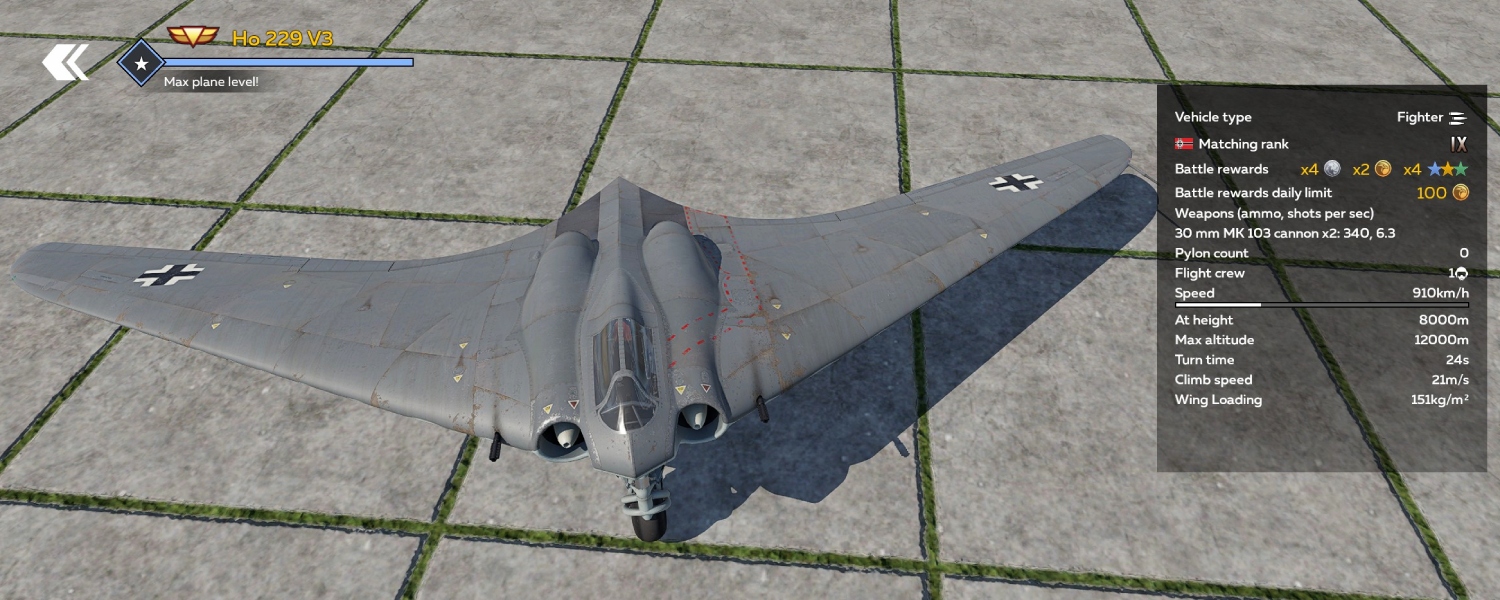
Behold the world's first flying jet-powered prototype built as a "flying wing": the Ho 229 V3, a masterpiece of mid-20th century engineering!
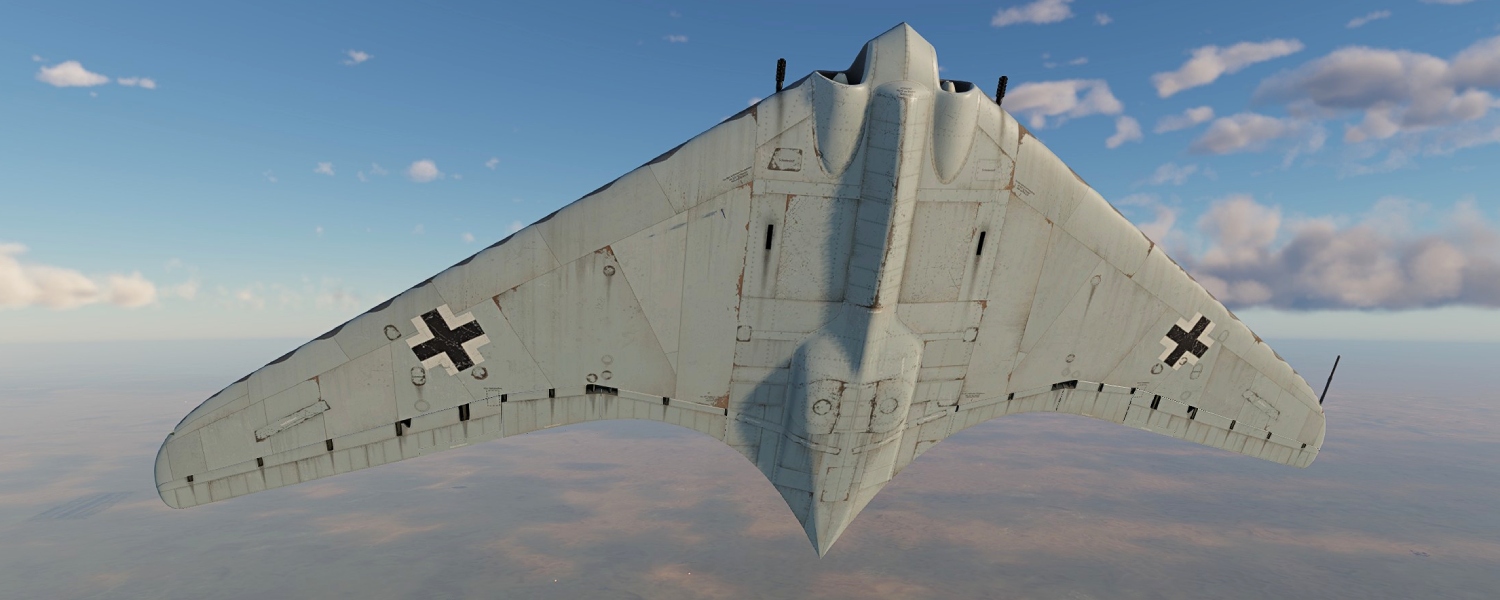
The Ho 229's unusual aerodynamic design comes with both distinct advantages and inherent drawbacks. In the game, the aircraft gains incredible maneuverability in horizontal turns, where the entire aircraft is the wing! It can almost turn on a dime. However, its roll and yaw authority are mediocre. Like all early jet aircraft, the Ho 229 suffers from weak acceleration. It requires time to gain altitude, where its speed characteristics truly shine. But once it has accelerated, it can maintain speed in level flight remarkably well, which was a key advantage early jets held over their piston-engined rivals.
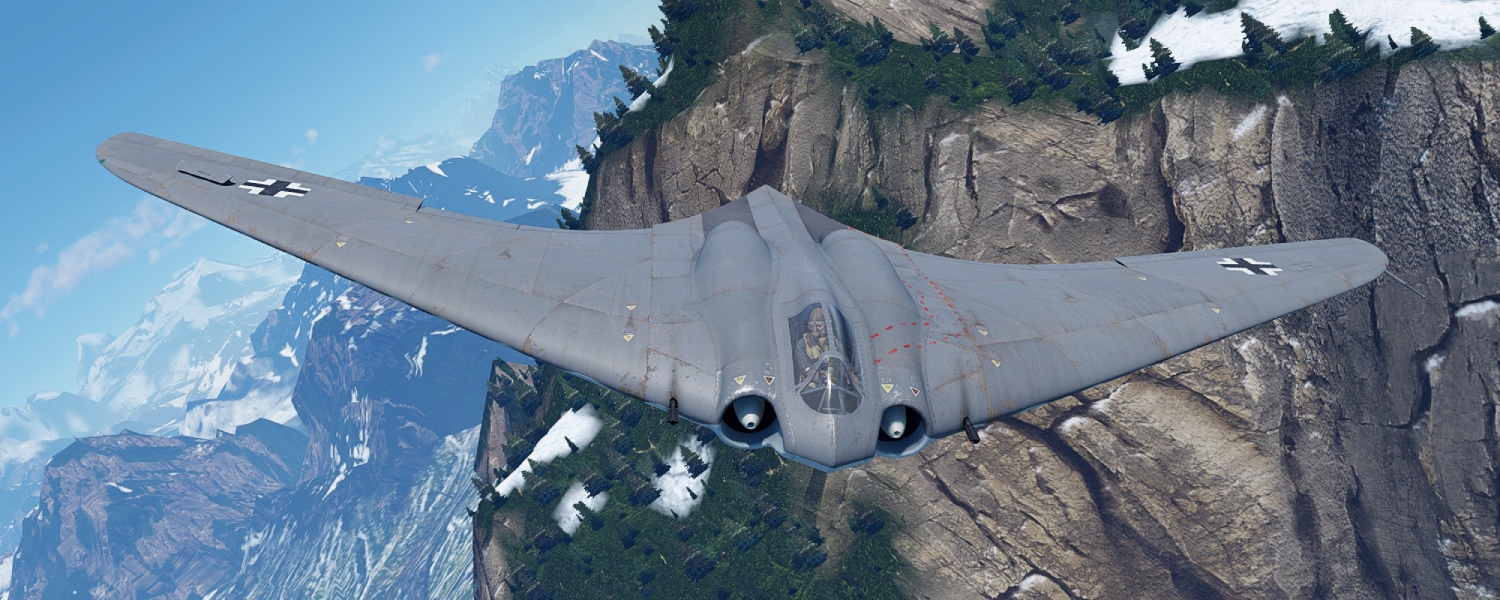
Although the Ho 229 was developed under a bomber program, it carries no external ordnance. Its fixed forward armament on the V3 version, however, is excellent! Two 30 mm MK 103 cannons with a good ammunition count and effective belt configurations.

The Ho 229 V3 demands patience to climb and accelerate, but once it has built up speed, it transforms into a nimble hunter. Avoid bleeding your energy in sharp turns, maintain your altitude advantage, and this Luftwaffe "flying wing" will have no equal in the sky
Seasonal Challenge
After completing the event tasks between December 4th and December 10th (ends at 07:00 GMT), you can receive the maximum discount on the Seasonal Offers!
Don’t miss the fantastic chance to buy great premium vehicles at a discount and receive bonus Big Trophy keys from the “South Wind” season.