[Seasonal Offer] Made in the USA
Unique ground, naval and air vehicles – in seasonal offers only!
Seasonal Offers
Commanders! 🚩 From November 12th to November 19th, 2026 (ends at 07:00 GMT), as part of a Seasonal Offer, a new set of unique premium vehicles will be available to you. After completing special Seasonal Challenges, you will be able to purchase it with a maximum discount:
- In the Tank Campaign: M1A2 Abrams + 3 Keys for the Big Trophy from the “Battle Allies” season + Back-ups x5, Repair Kits x125, Medical Kits x100, Fire Extinguishers x50.
- In the Ship Campaign: USS Oklahoma + 4 Keys for the Big Trophy from the “Battle Allies” season + Smoke Generators x195 + Naval Supply x195.
- In the Aviation Campaign: P-39K-1 + 4 Keys for the Big Trophy from the “Battle Allies” season + Back-ups x5.
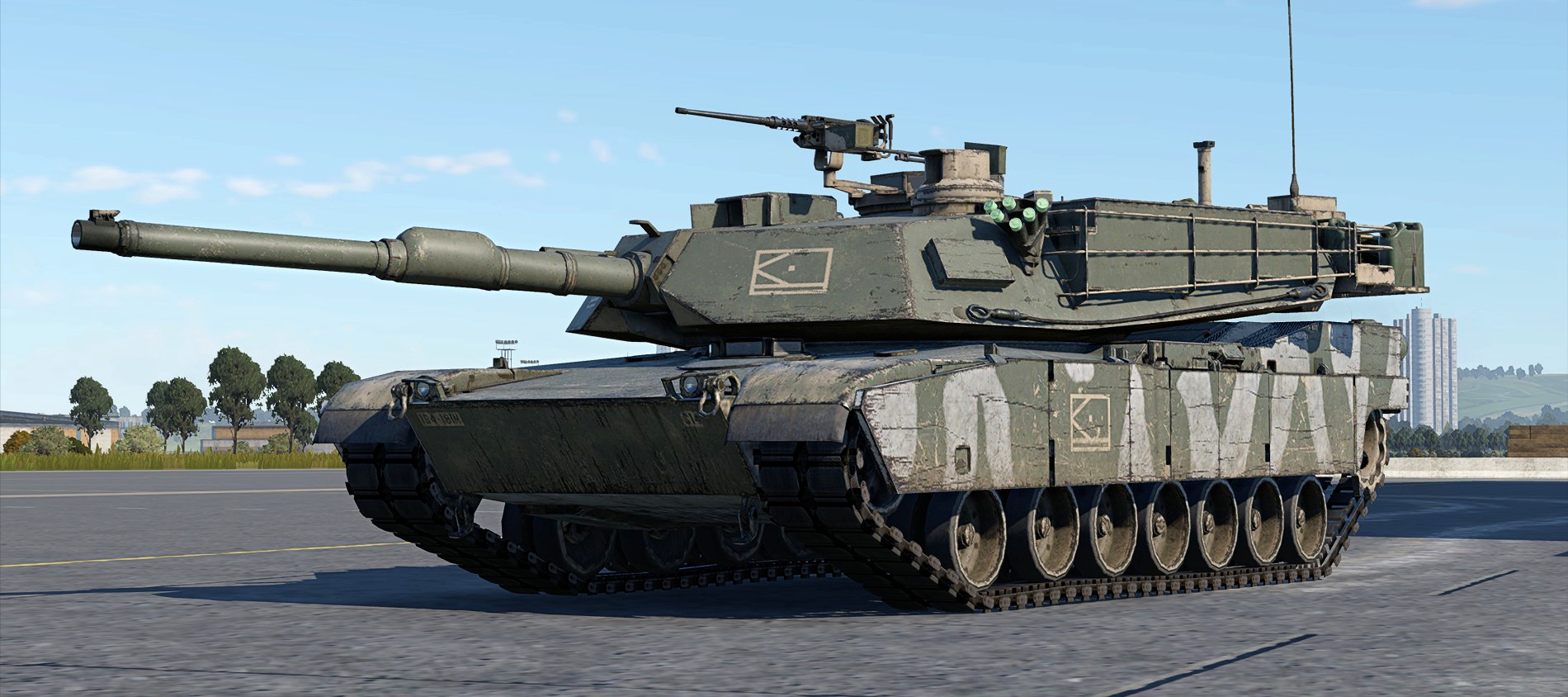
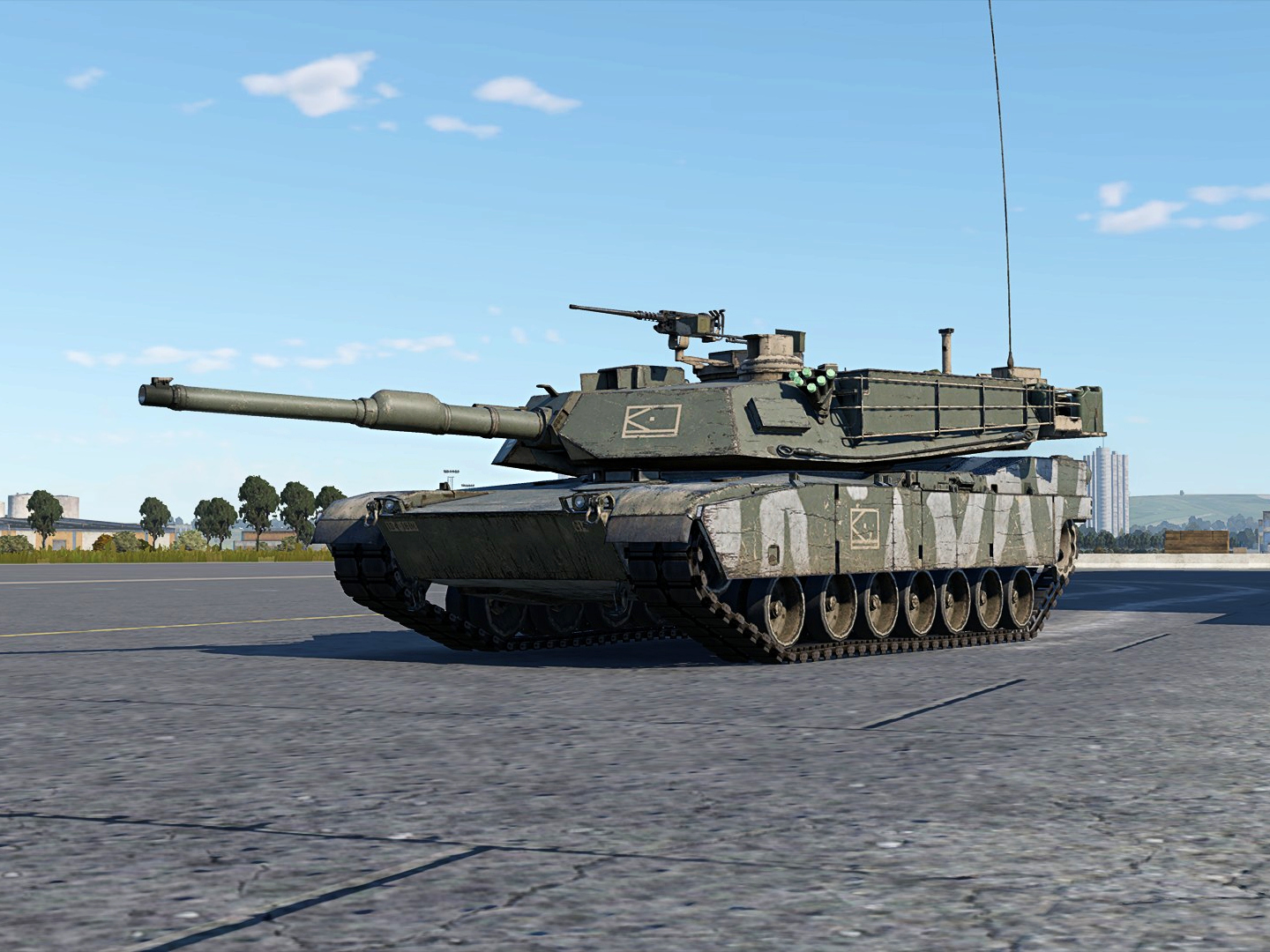
M1A2 Abrams (Rank XII)
Historical Note
Production of the M1A2 Abrams began in 1992. Its main differences from the M1A1 were improved protection, a new fire control system with a panoramic commander's sight, and an electronic data exchange system.
In total, around 2,200 vehicles were built or upgraded to the M1A2 standard. These tanks remain in service with the United States, Australia, Saudi Arabia, Kuwait, and Morocco.
Brief Overview
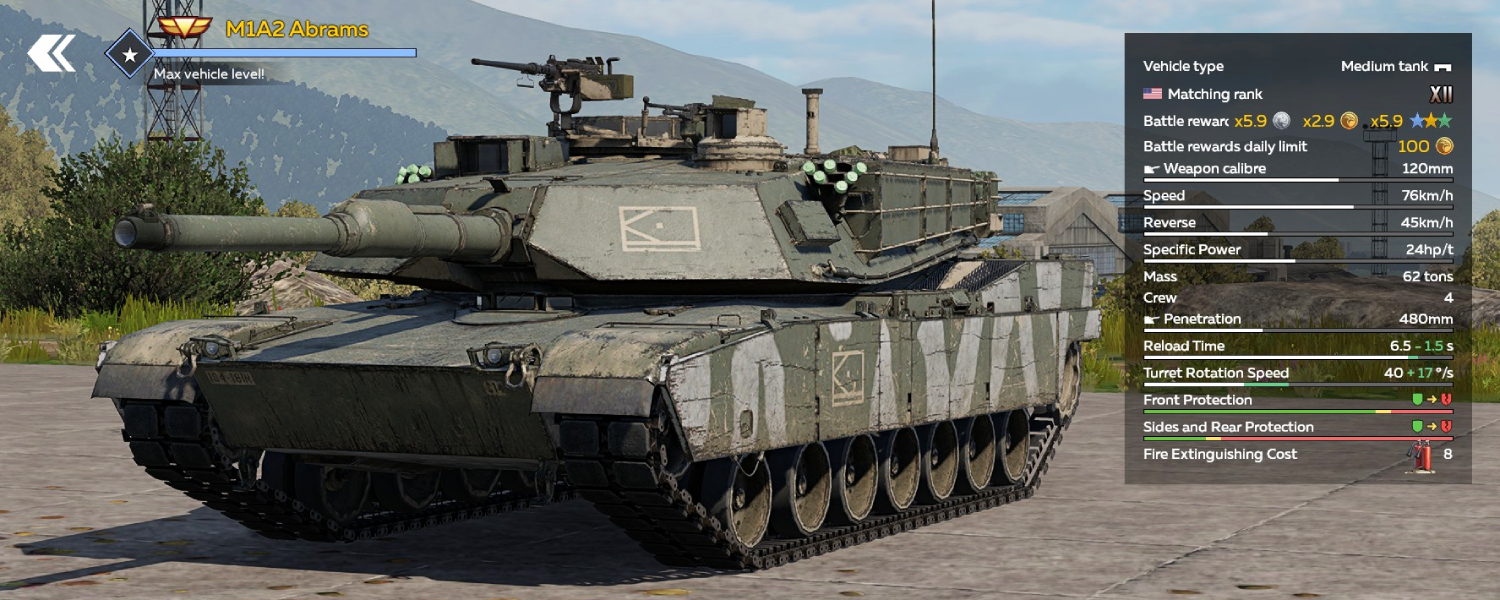
- Strengths: Excellent turret protection, one of the best APFSDS rounds in the game, fast reload, good mobility.
- Weaknesses: Vulnerable hull.
- Role in battle: A modern MBT, versatile for any tactic and range.
In Battle
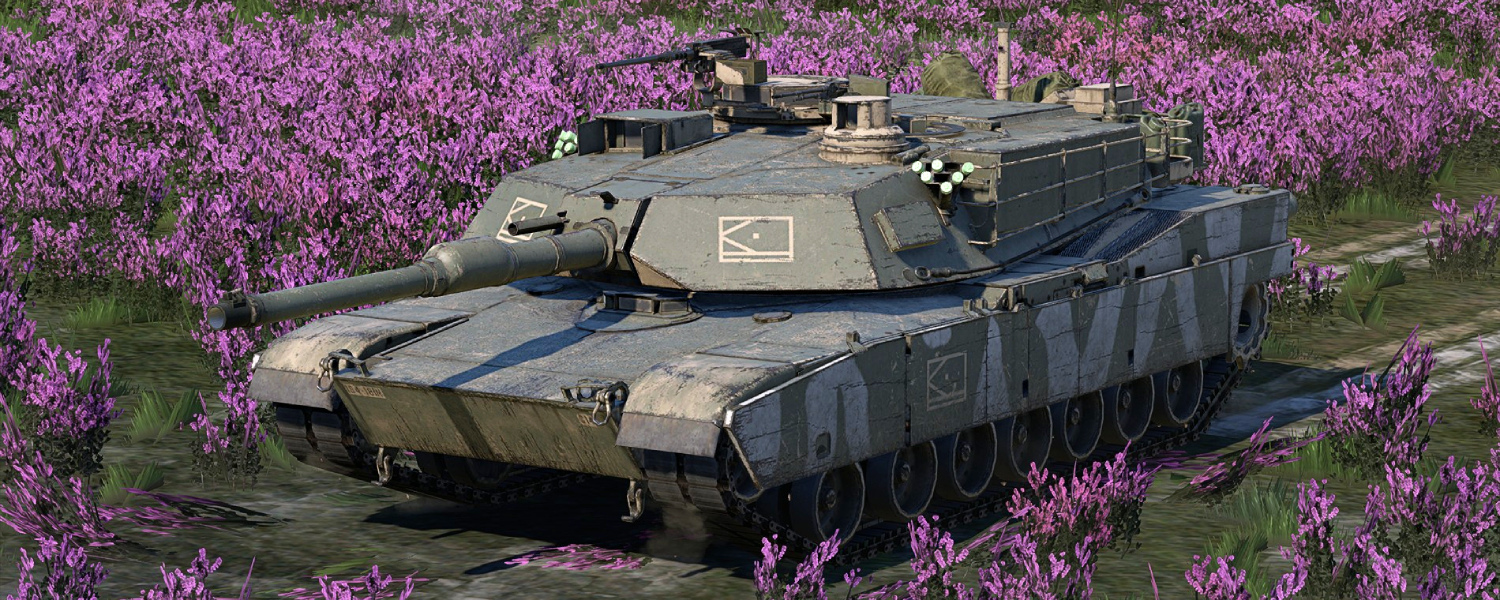
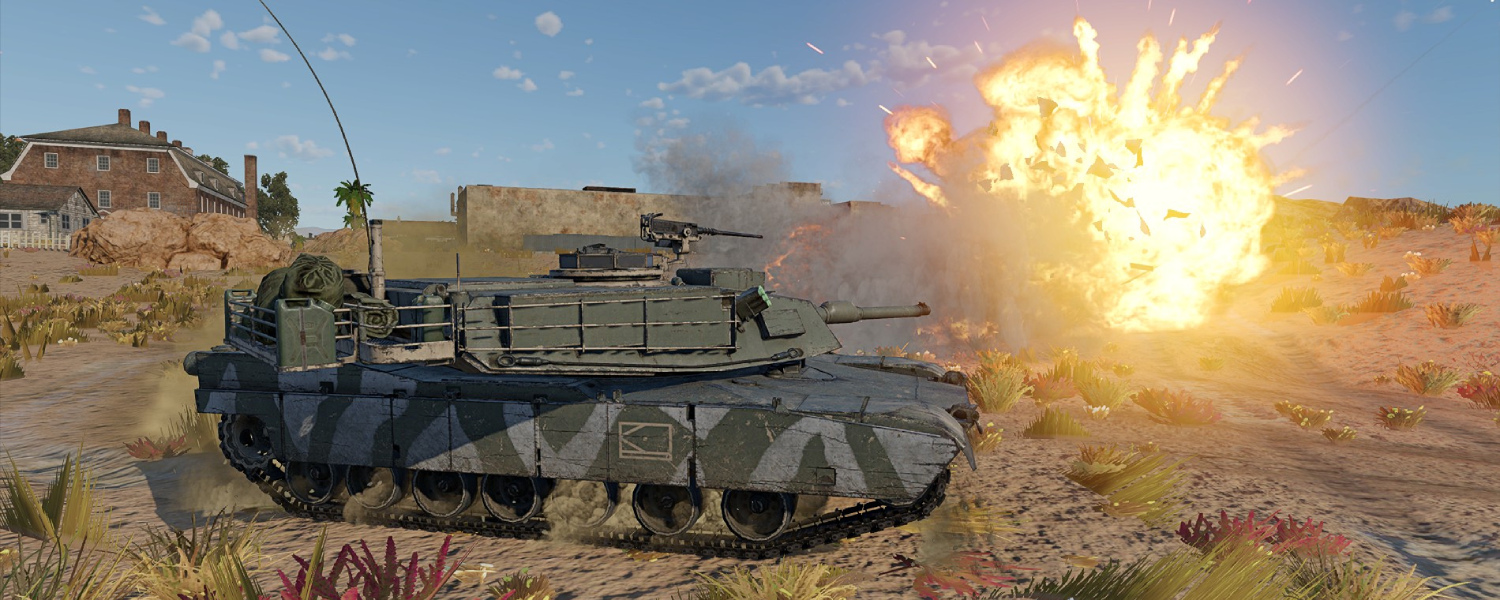
The M1A2 Abrams is one of the modifications of the US main battle tank that remains in service to this day. In combat, it combines high survivability, near-ultimate firepower, and good dynamics. Let's quickly run through its key features.
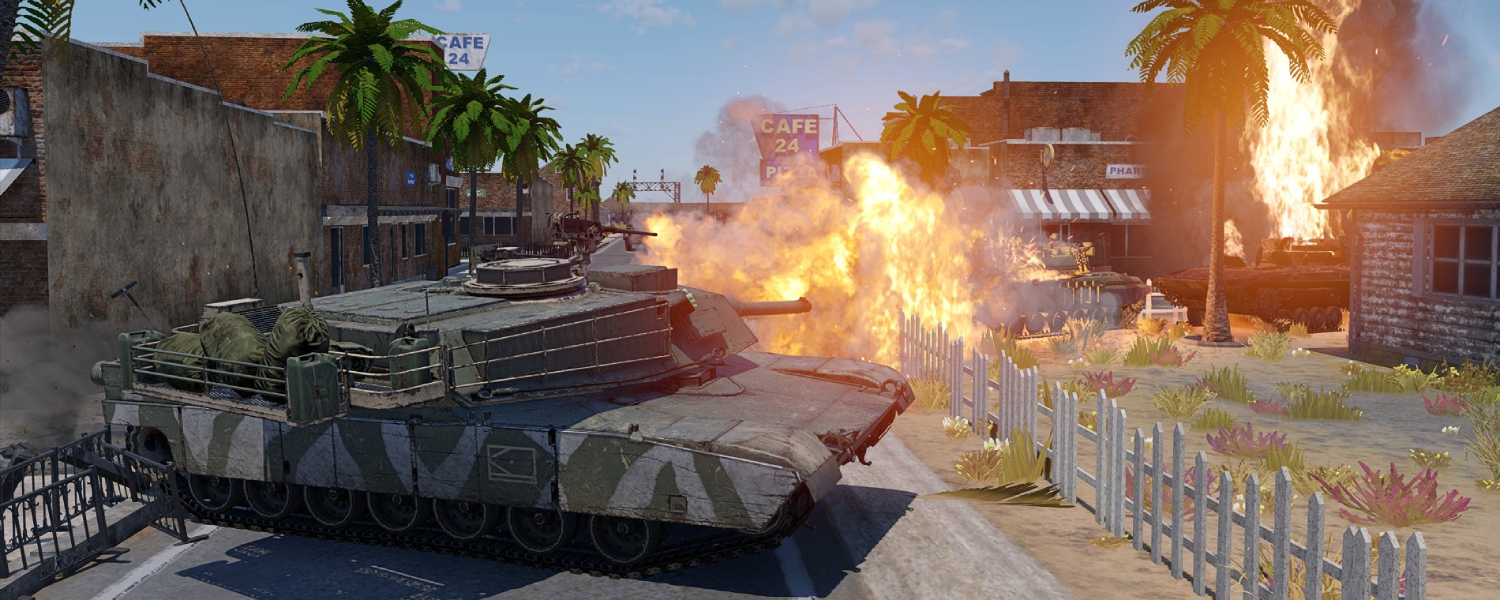
The turret's composite armor packages include depleted uranium elements, which increase the Abrams' resistance to kinetic and shaped-charge anti-tank shells and missiles. The turret is fitted with blow-out panels that save the crew from ammunition detonation. Despite the added weight from the extra armor, the tank retains good dynamics and high speed.
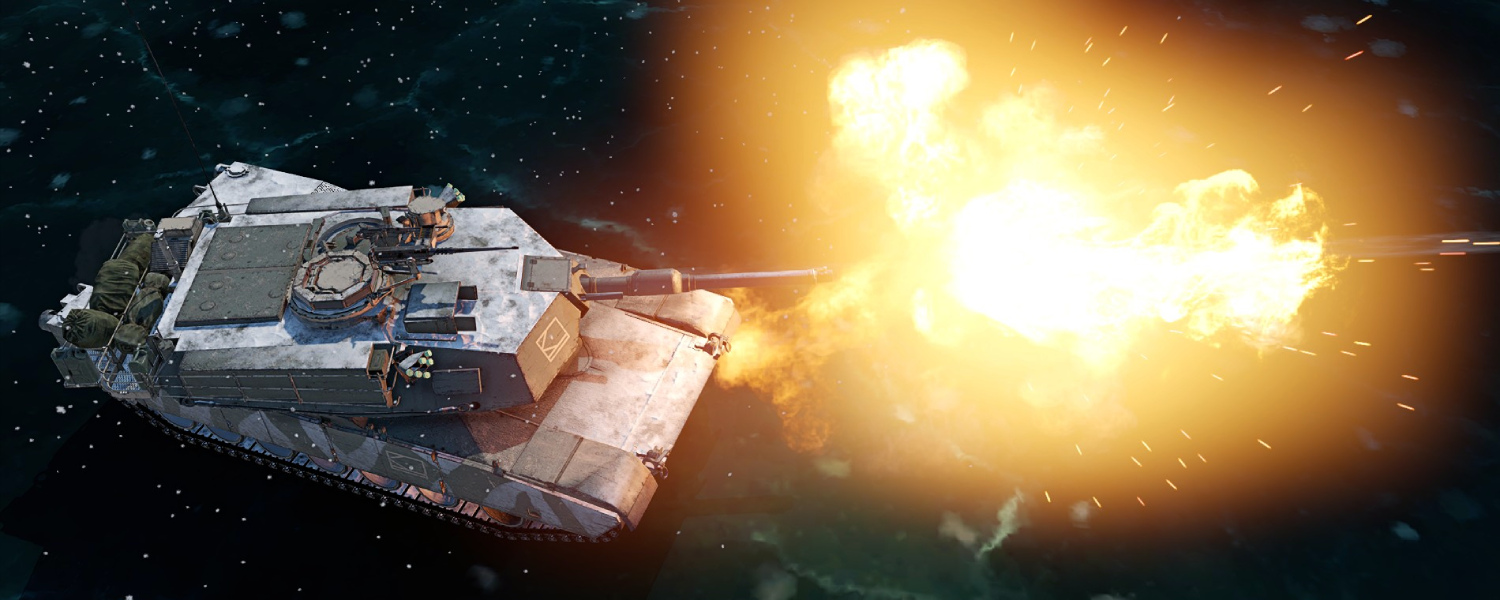
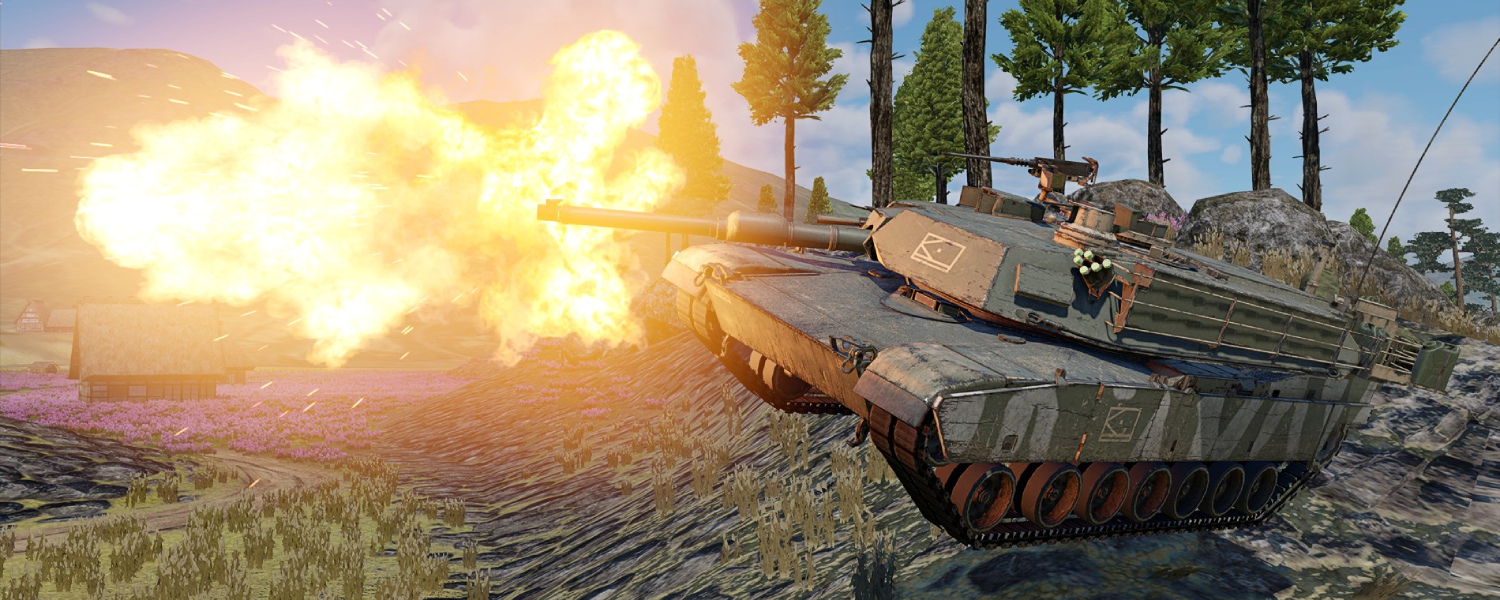
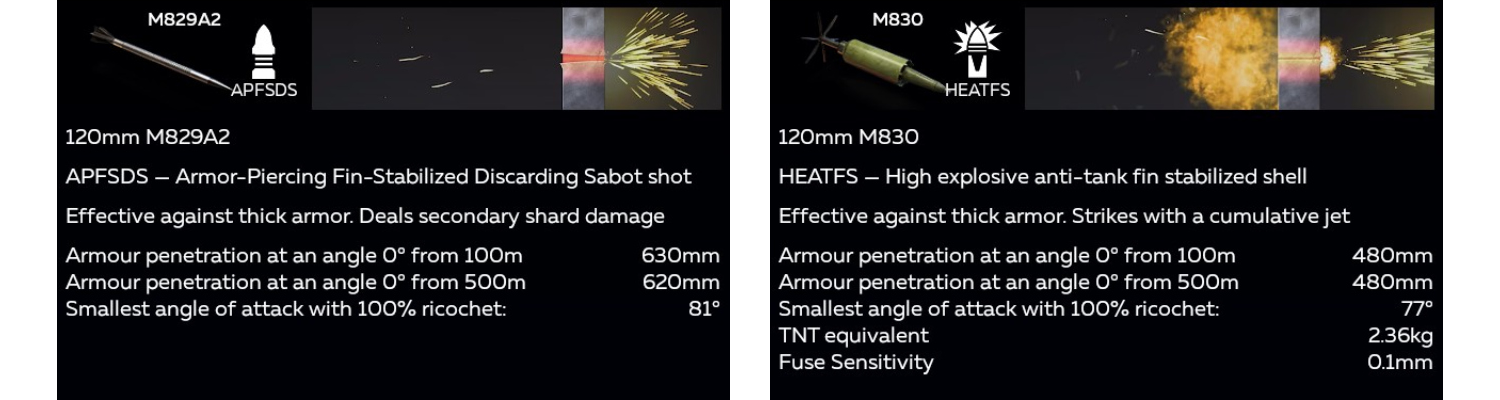
The ammunition load now includes the very powerful M829A2 APFSDS round with over 600 mm of penetration and the M908 multi-purpose round – a semi-armor-piercing shaped-charge shell ideal for quickly destroying lightly armored targets. The tank has no autoloader, but an experienced loader can bring its rate of fire up to 12 rounds per minute.
View the characteristics of the M1A2 Abrams’s shells:
View the characteristics of the M1A2 Abrams’s shells:
Among the vehicle's drawbacks is its comparatively vulnerable hull in the side and rear projections. While the armor holds up against some anti-tank missiles and autocannon fire, a tank APFSDS round hitting the side always leads to unfortunate consequences.
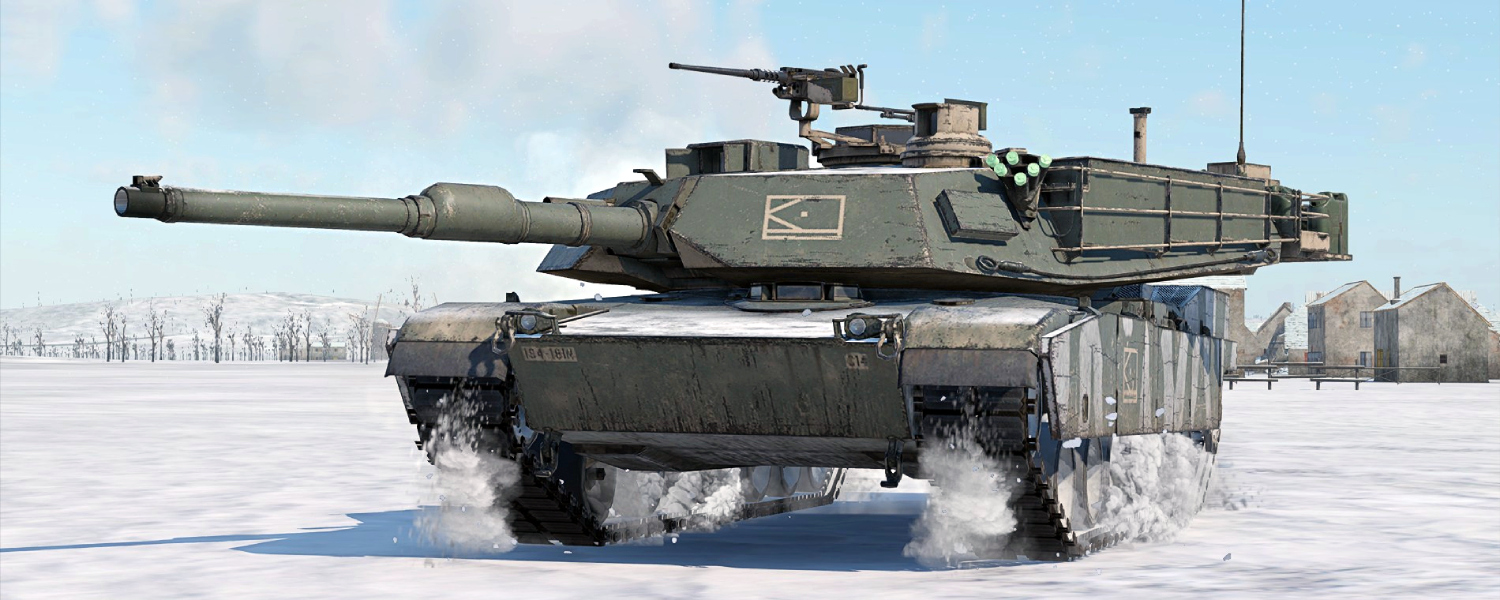
In the frontal projection, the tank is well protected, though the turret ring remains a weak point. The tank performs best behind small cover, meeting enemy fire with the strong cheeks of its turret.
USS Oklahoma (Rank III)
Historical Note
USS Oklahoma was an American Nevada-class battleship. She was laid down on October 26, 1912, launched on March 23, 1914, and commissioned on May 2, 1916. In 1918, she joined Battleship Division Six and, together with USS Nevada, headed for the shores of Europe. By July 1919, Oklahoma had returned to New York, underwent repairs, and joined the Atlantic Fleet. She later took part in exercises with the Pacific Fleet.
On December 7, 1941, the battleship was moored in the battleship row at Pearl Harbor. During the Japanese air raid, the ship was hit by torpedoes (eight hits), capsized, and settled on the bottom keel-up. After being raised, the Navy deemed the battleship unfit for restoration. In 1944, she was decommissioned, and in 1946, she was sold for scrap. While being towed into San Francisco Bay in 1947, the hull began to list and sank. The exact location of the hull remains unknown to this day.
Brief Overview
- Strengths: High main battery damage and good armor.
- Weaknesses: Low speed, weak secondary battery salvo, and comparatively low penetration of main gun shells.
- Role in battle: A naval "tank" with strong armor and a devastating main battery punch.
In Battle
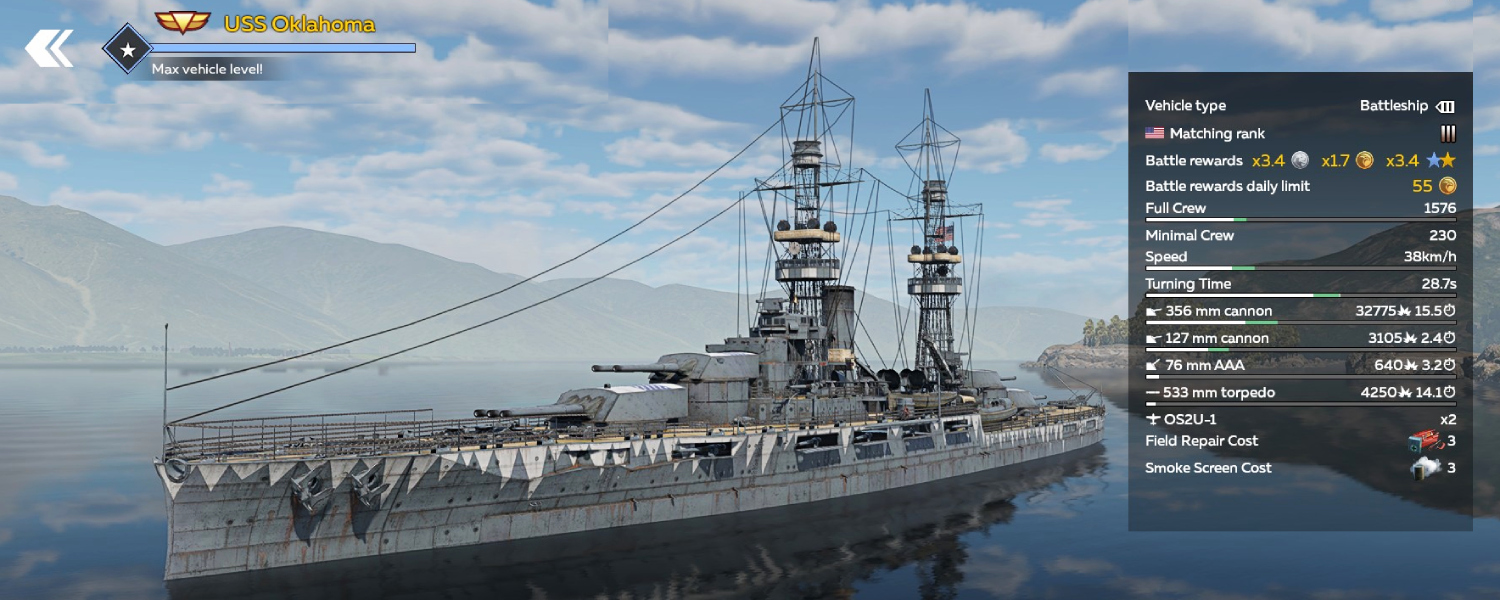
USS Oklahoma is a slow but well-protected ship with powerful 356 mm guns. The main battery consists of ten 356 mm guns – her broadside delivers truly impressive firepower!
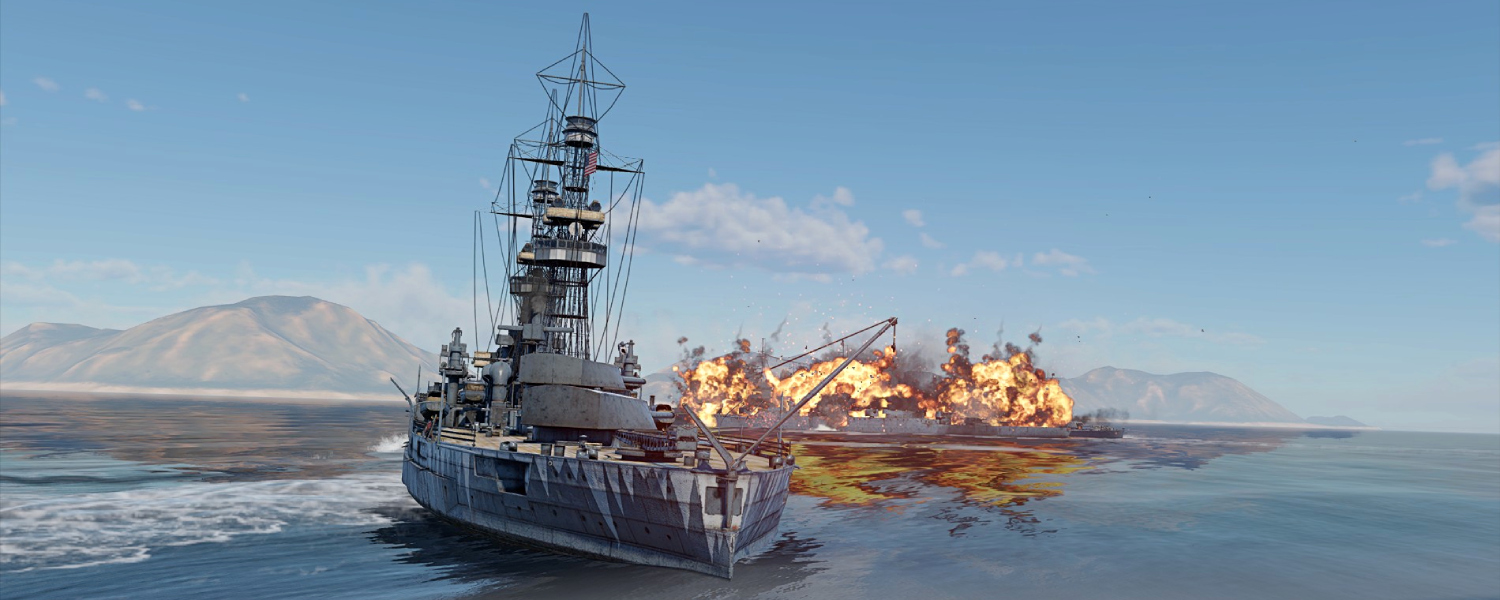
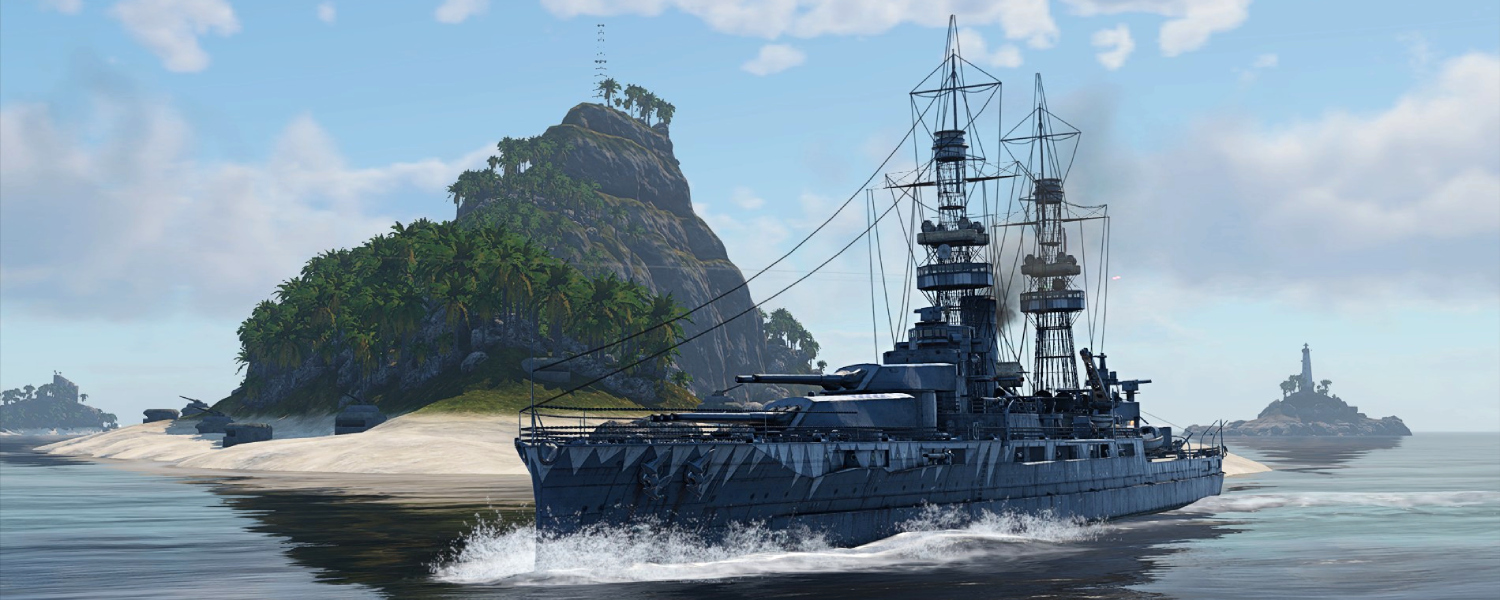
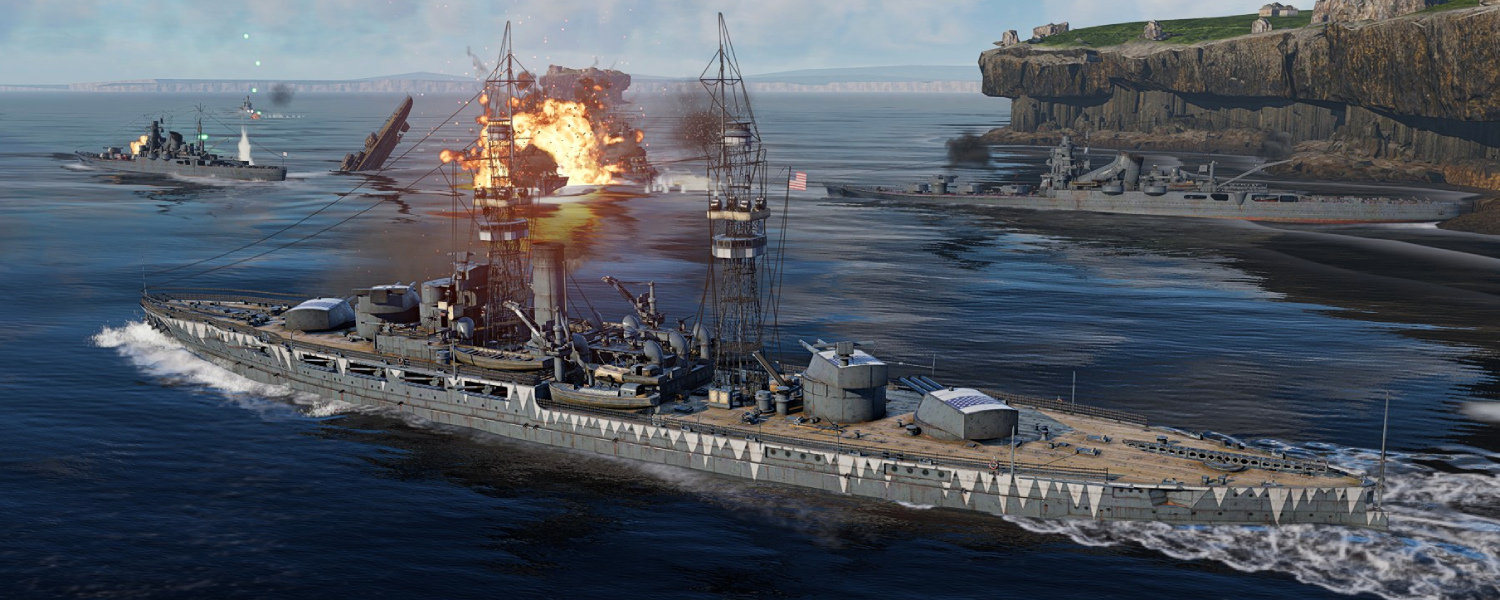
Among USS Oklahoma's features is her comparatively low mobility – the battleship's speed is not high. Another characteristic is the mediocre penetration of her main caliber shells, though the damage on penetration is very high.
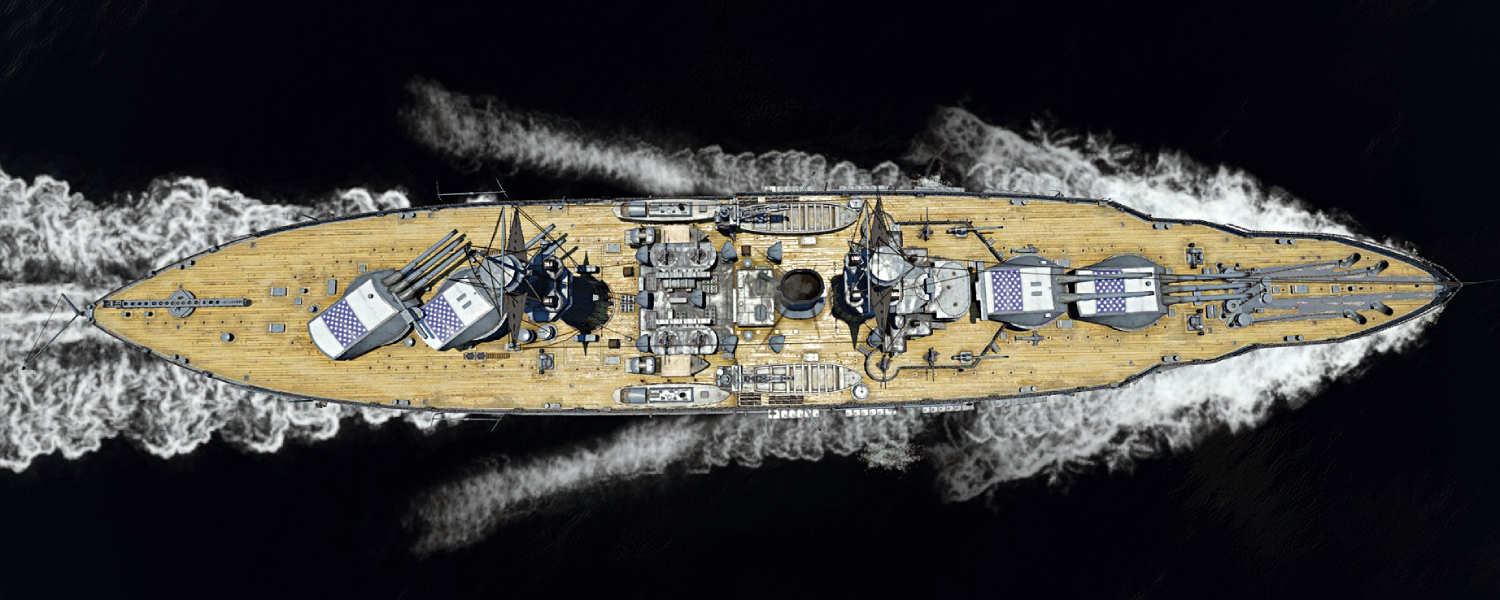
USS Oklahoma will perform well at all engagement ranges. Her armor will long protect the ship from critical damage, and the ship herself can take on the most dangerous opponents on the enemy team.
P-39K-1 (Rank III)
Historical Note
The Bell P-39K-1 Airacobra was an American single-engine fighter produced by Bell Aircraft. The aircraft featured tricycle landing gear and an engine mounted behind the cockpit that drove a propeller at the front. A total of 210 P-39K aircraft were built.
The Airacobra achieved its greatest success on the Eastern Front with Soviet pilots. The exact number of this variant sent to the USSR is unknown. At the same time, outstanding Allied aces flew aircraft of this series – among them Dmitry Glinka, who flew the P-39K-1 in the skies over the Kuban in 1943. Other Airacobra modifications were flown by Alexander Pokryshkin (P-39N), Grigory Rechkalov (P-39Q-15-BE), and Boris Glinka.
Brief Overview
- Strengths: 37 mm cannon and machine guns, high speed, decent maneuverability.
- Weaknesses: Small cannon ammo load.
- Role in battle: The Airacobra is an unusual fighter with a powerful 37 mm cannon and high speed. It is responsive to controls but demands good gunnery technique.
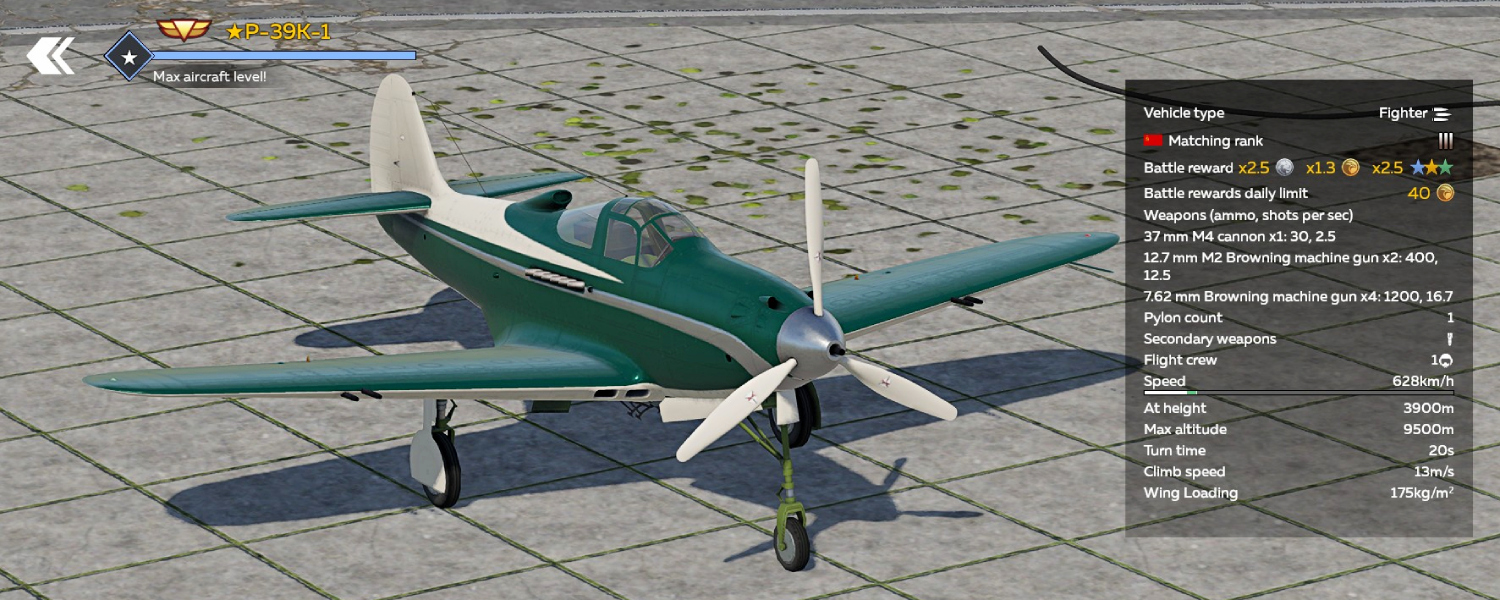
In Battle
The P-39K-1 Airacobra is one of the single-engine fighter family produced by the American Bell company. In combat, the aircraft stands out for its high speed, is very responsive to the rudders, and is especially good at medium and low altitudes.
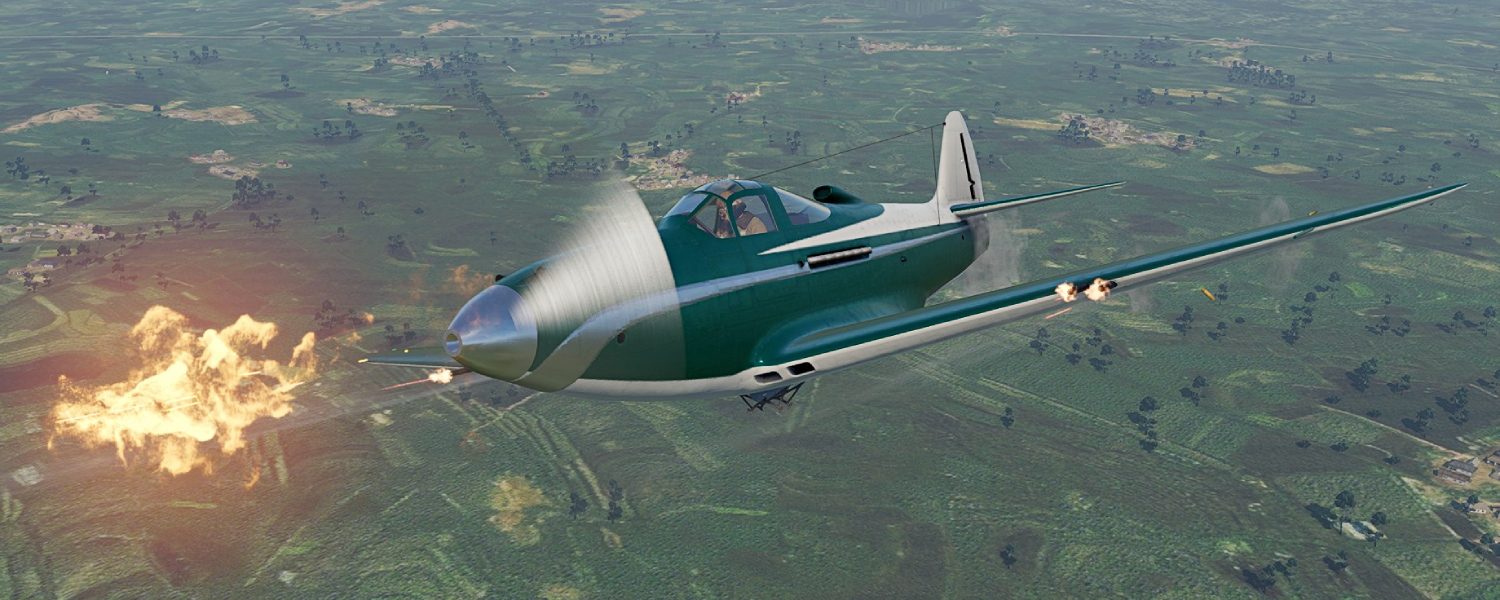
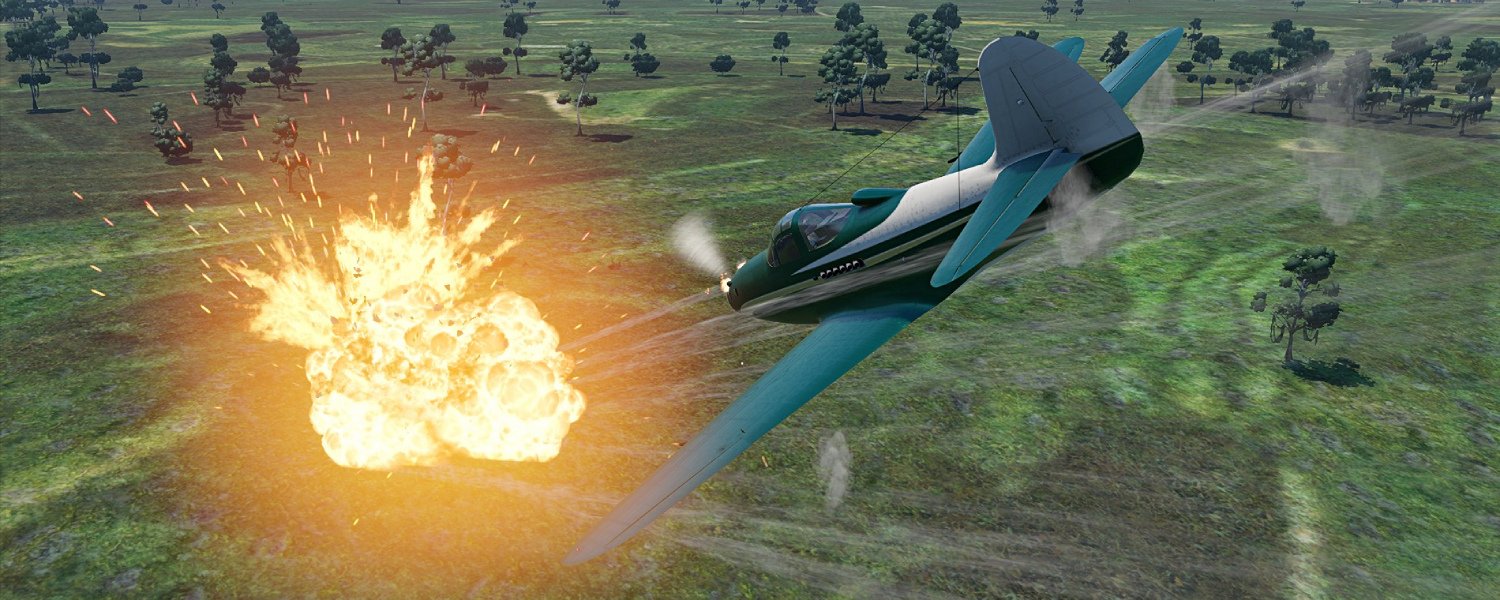
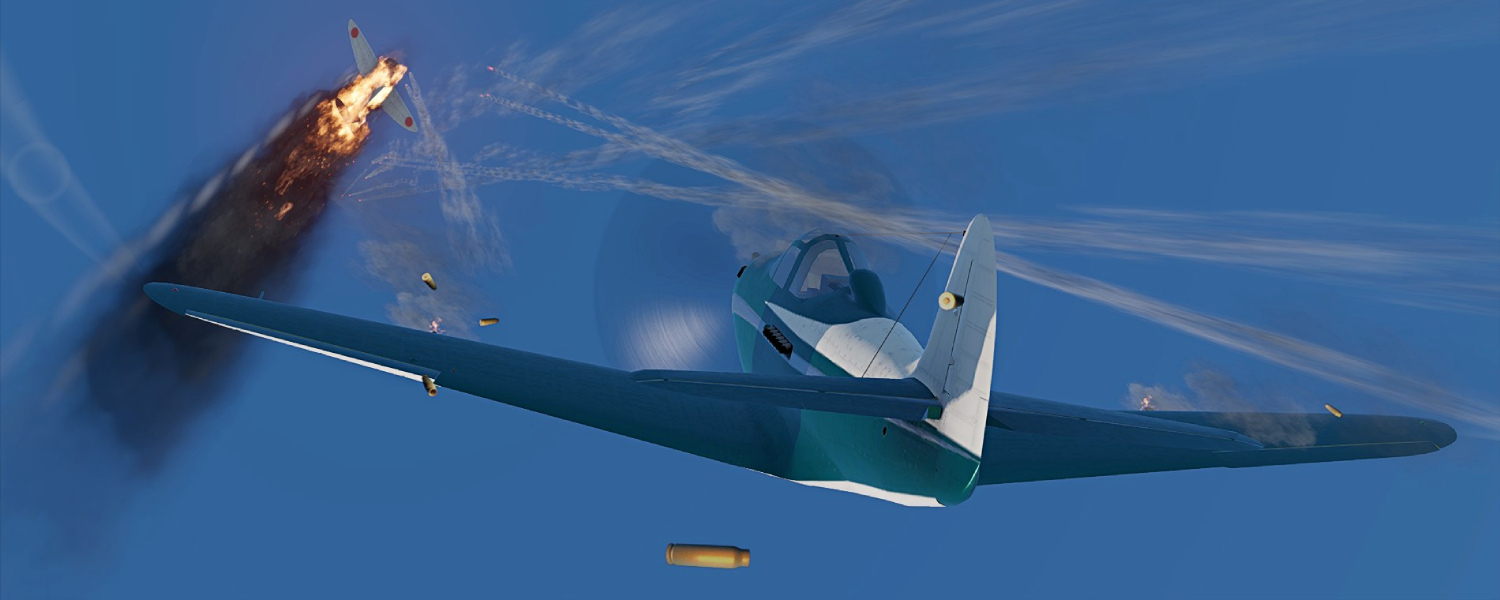
Perhaps the Airacobra's main feature is its armament: a 37 mm cannon with devastating high-explosive fragmentation shells, complemented by two 12.7 mm and four 7.62 mm machine guns. A 250 kg bomb can be carried on a hardpoint under the fuselage. The cannon has complex ballistics and a limited ammunition supply, but a single hit is usually enough to send any fighter or attacker back to the hangar.
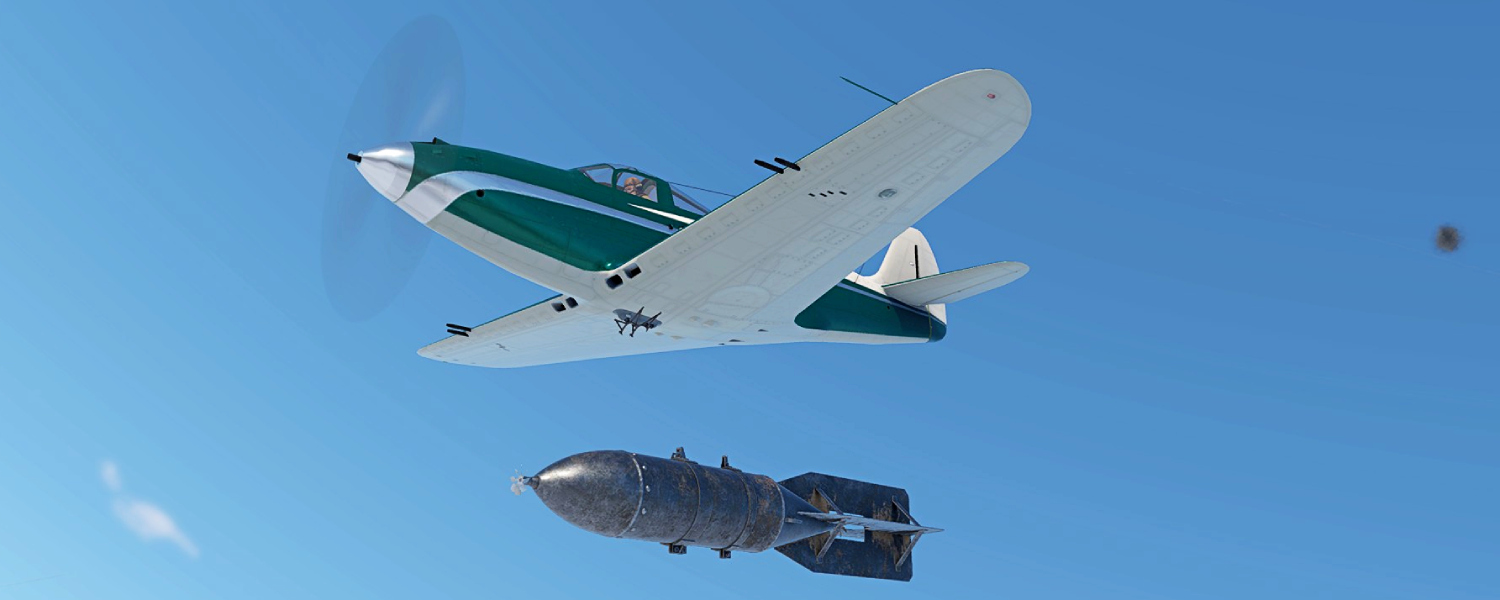
The best tactic for the P-39K-1 is the boom and zoom. Dive on a target from altitude, do a short attack, and climb back up. In this scenario, the pilot has the chance to close to 200–300 meters and turn the enemy into a pile of burning wreckage with a short burst.
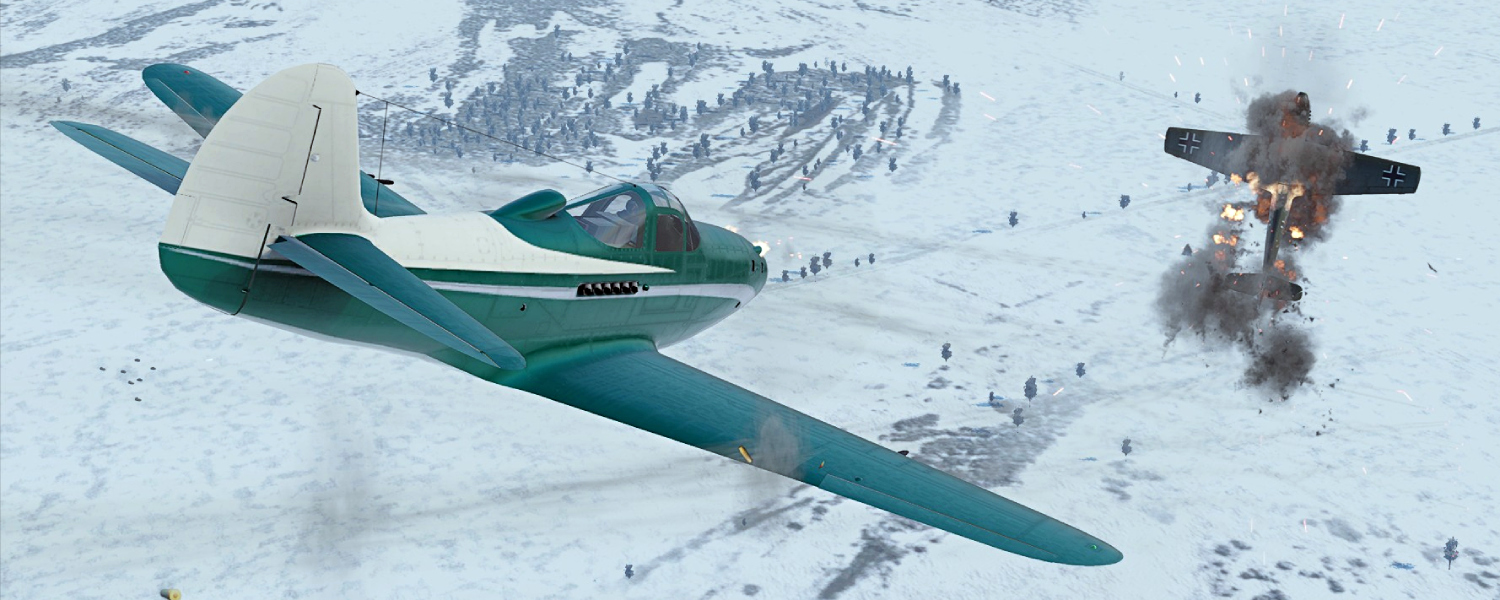
The Airacobra is also quite good in a turn, but there are aircraft in the game far more effective in maneuver combat. The pilot should therefore read the situation and choose the best tactic based on how the battle develops.
* Vehicle specifications and camouflages are still work in progress and may differ on release.
Seasonal Challenge
After completing the event tasks between November 12th and November 19th (ends at 07:00 GMT), you can receive the maximum discount on the Seasonal Offers!
Don’t miss the fantastic chance to buy great premium vehicles at a discount and receive bonus Big Trophy keys from the “Battle Allies” season.