[Seasonal Offer] Legends of Three Elements
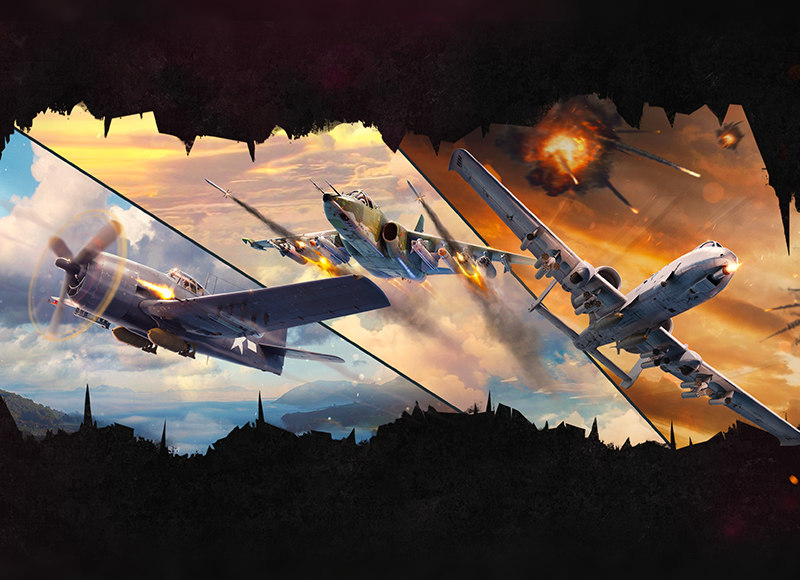
Unique ground, naval and air vehicles – in seasonal offers only!
Seasonal Offers
Commanders! 🚩 From July 22nd to July 29th, 2026 (ends at 07:00 GMT), as part of a Seasonal Offer, a new set of unique premium vehicles will be available to you. After completing special Seasonal Challenges, you will be able to purchase it with a maximum discount:
- In the Tank Campaign: Type 90 (B) + 3 Keys for the Big Trophy from the “Rising Threat” season + Back-ups x5, Repair Kits x125, Medical Kits x100, Fire Extinguishers x50.
- In the Ship Campaign: HMS Queen Mary + 4 Keys for the Big Trophy from the “Rising Threat” season + Smoke Generators x200 + Naval Supply x200.
- In the Aviation Campaign: Washington B.Mk.I + 3 Keys for the Big Trophy from the “Rising Threat” season + Back-ups x5.
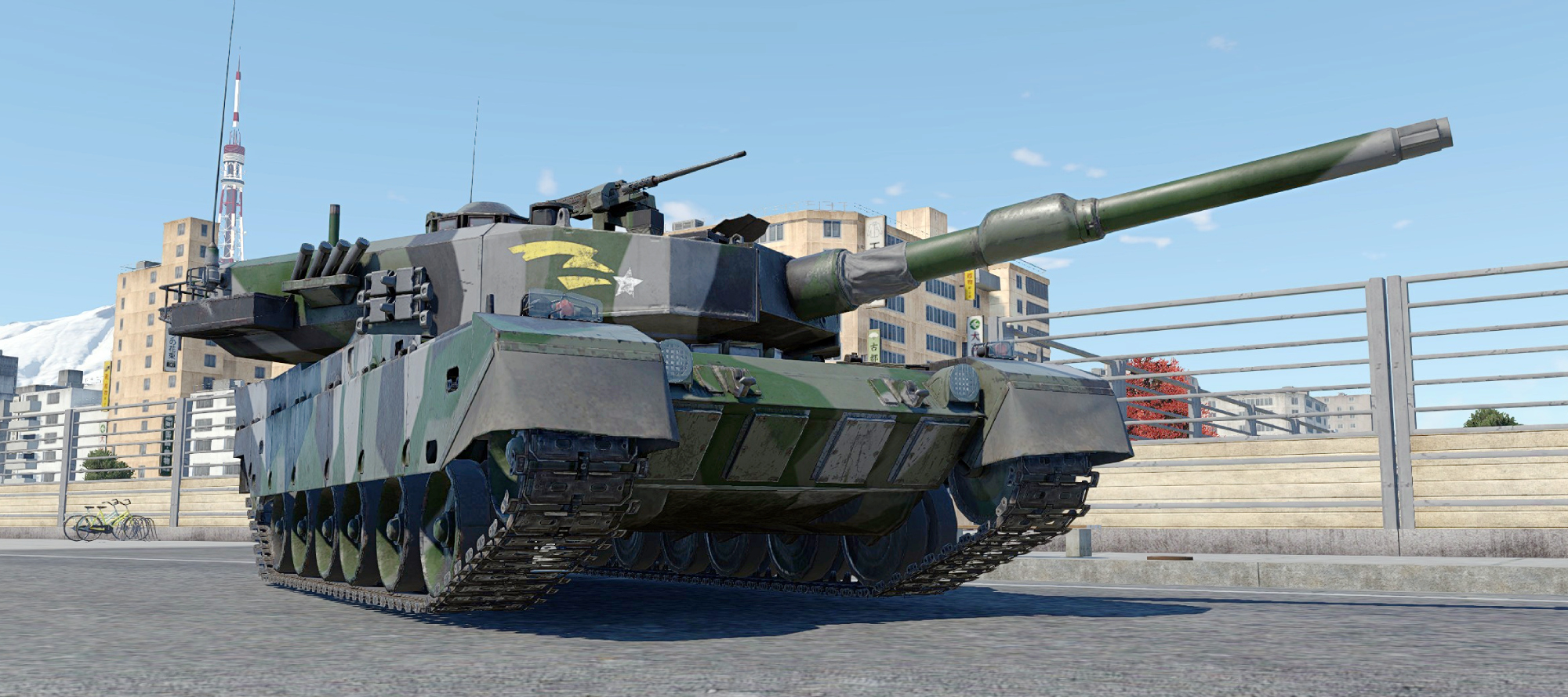
Type 90 (B) (Rank XIII)
Historical Note
The Type 90 main battle tank was developed in the late 1980s for the Japan Ground Self-Defense Force. Work on the vehicle began almost immediately after the adoption of the Type 74, and between 1980 and 1986 two prototypes were built and tested. In 1986, four further improved models appeared, distinguished from their predecessors by a domestically produced 120 mm smoothbore gun. Unlike its Western counterparts, the Type 90 was also fitted with an autoloader.
The tank entered service in 1990. A total of 341 vehicles were produced between 1990 and 2009, and they continue to serve with the Japan Ground Self-Defense Force to this day.
Brief Overview
- Strengths: High mobility, a four-second reload time, and blowout panels.
- Weaknesses: Mediocre armor protection.
- Role in battle: A fast modern tank with an autoloader, suited to active offensive combat.
In Battle
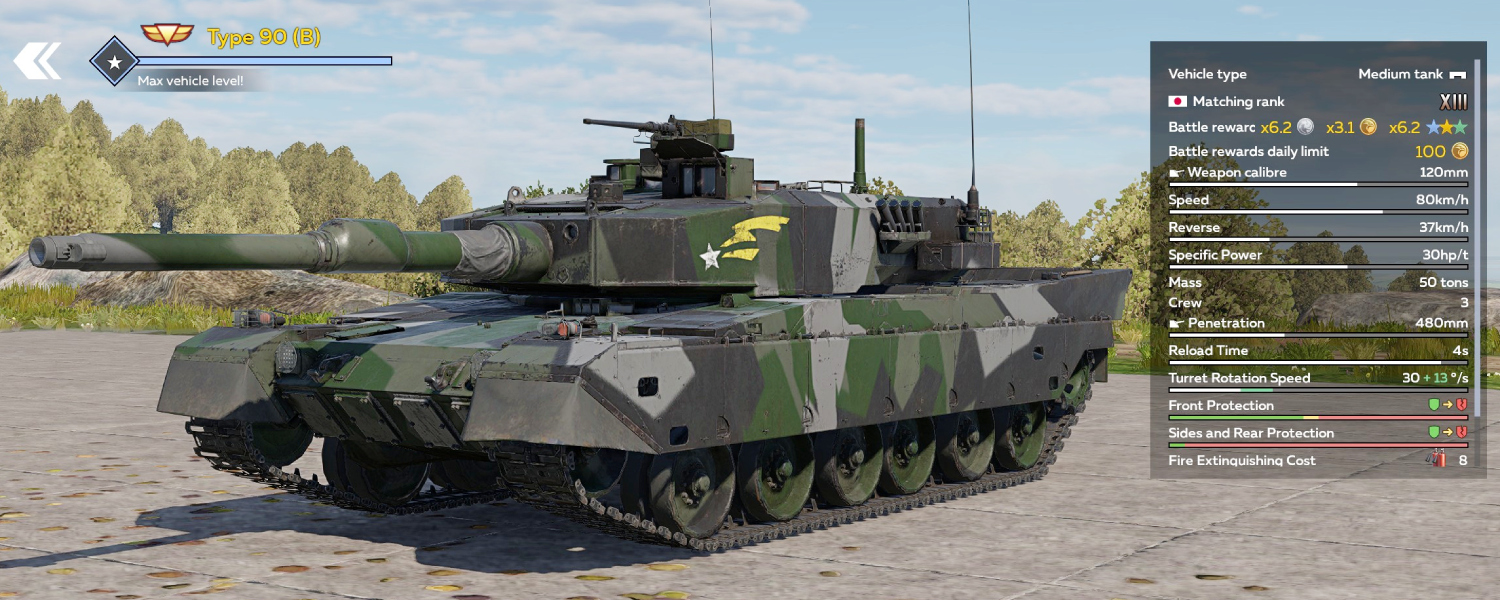
Built in the tradition of Western tank design, the Type 90 (B) carries one important distinction from most of its counterparts – an autoloader for its 120 mm gun. At just four seconds, its reload time is among the fastest of any MBT at its rank.
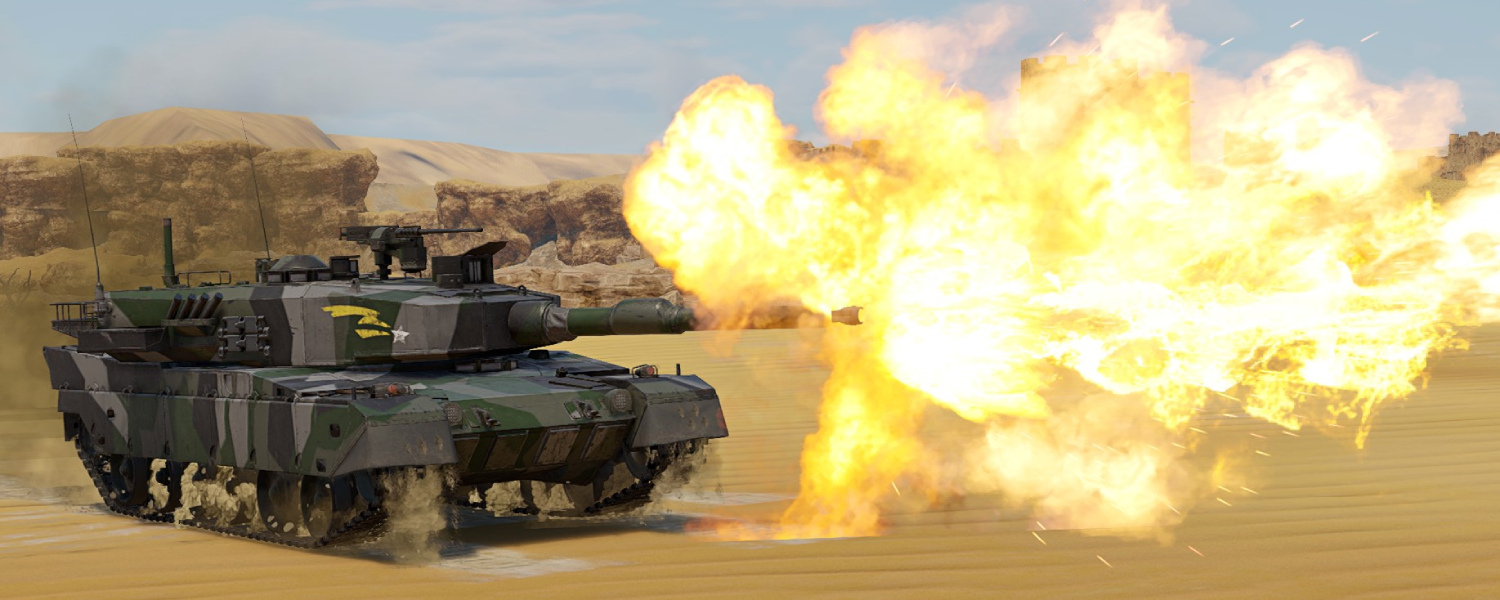
The second key feature is excellent mobility. A powerful engine delivers a high power-to-weight ratio, allowing the tank to accelerate rapidly from a standstill and reach speeds exceeding 80 km/h.
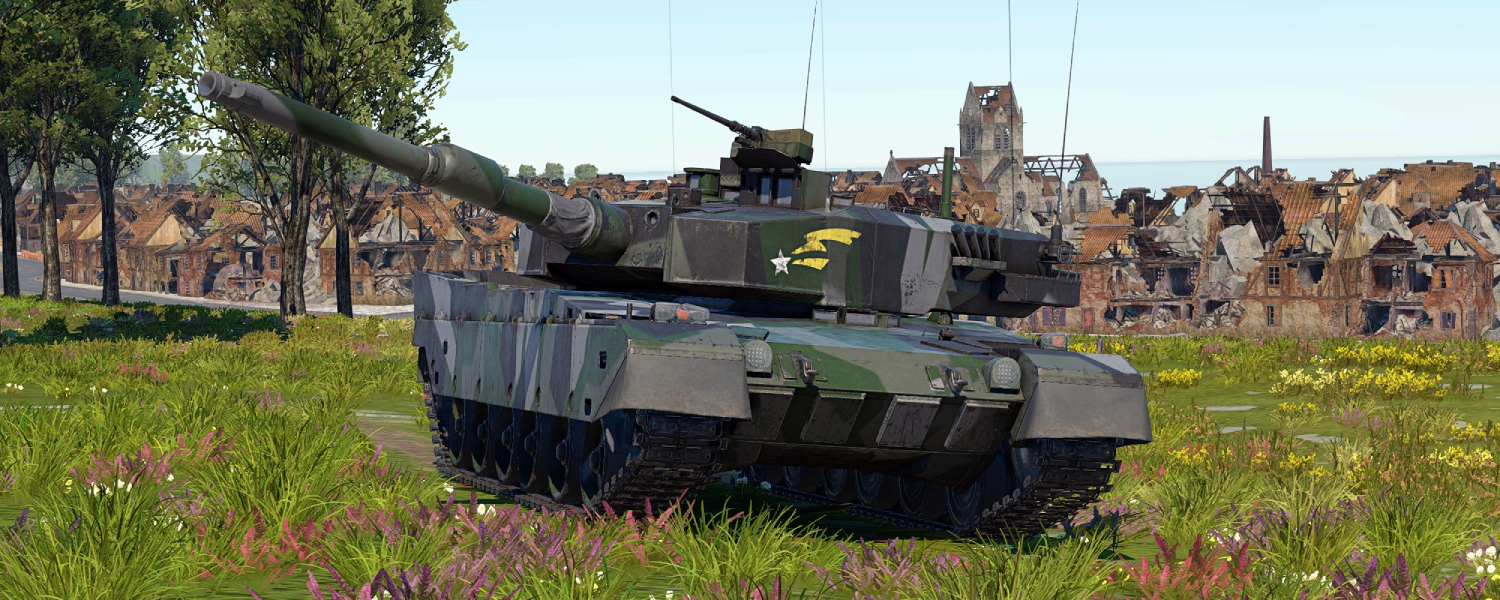
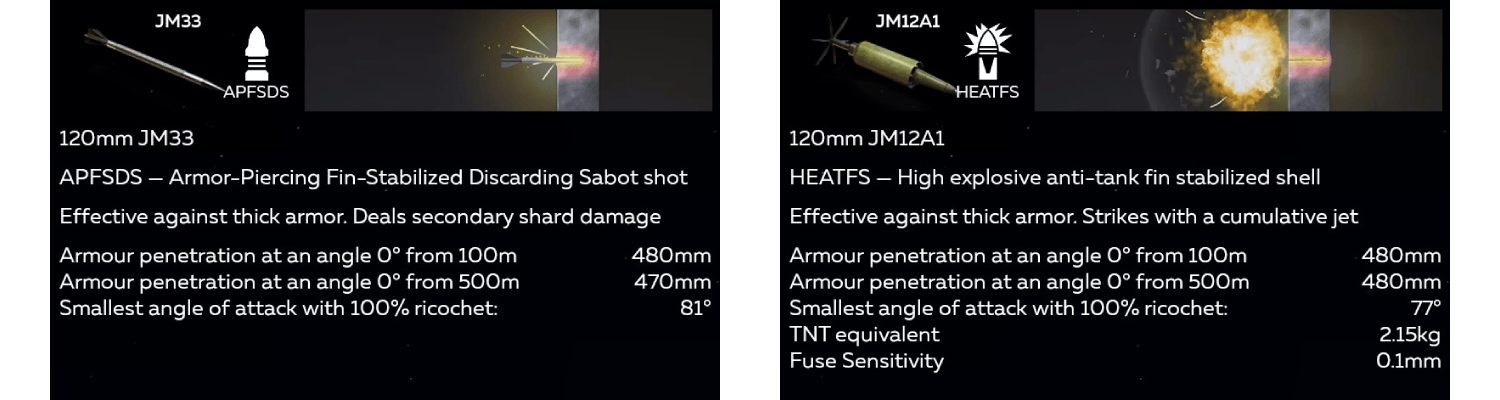
The ammunition load covers two shell types: APFSDS for engaging enemy tanks, and HEATFS for dealing with lightly armored vehicles – straightforward and effective.
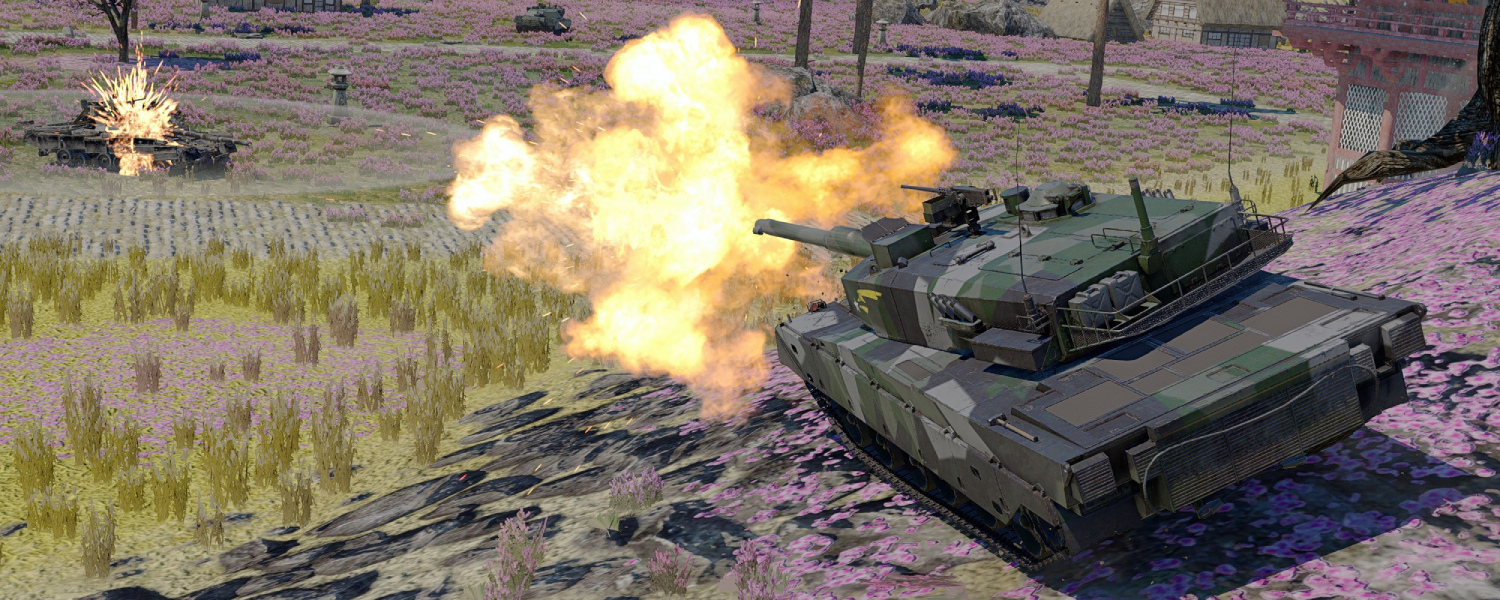
View characteristics of the Type 90 (B)’s shells:
View characteristics of the Type 90 (B)’s shells:
The armor is designed primarily to withstand anti-tank missiles rather than APFSDS rounds from tank guns, and the side armor can be penetrated by even small-caliber autocannons.
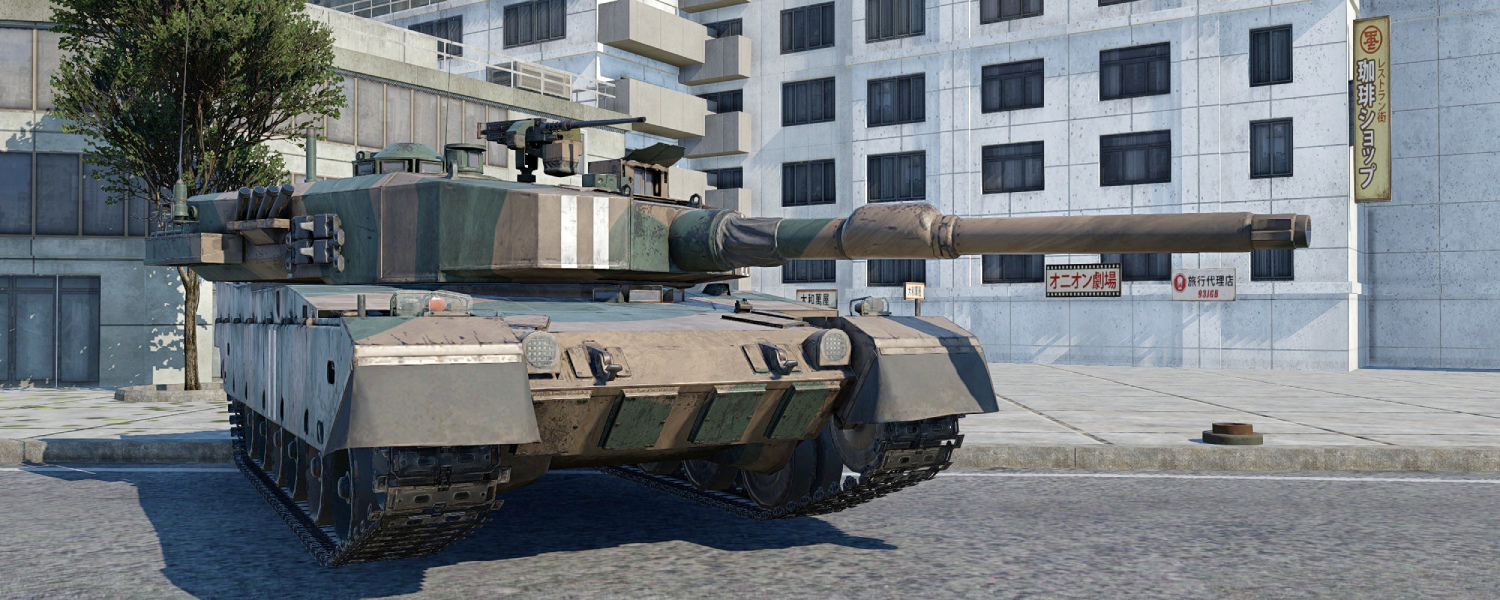
The Type 90 (B)’s survivability depends entirely on mobility and commander skill. Reach the best position first, fire first, and avoid extended engagements – in capable hands, this is an elegant and deadly weapon.
HMS Queen Mary (Rank III)
Historical Note
The battlecruiser Queen Mary was laid down in March 1911 under the 1910–11 Naval Programme as the only ship of her class. Construction was completed in August 1913, making her the last battlecruiser built for the Royal Navy before the outbreak of World War I. Her design largely followed the preceding Lion class, but featured enhanced armament and improved protection. She entered service in September 1913.
Shortly after the outbreak of war, in August 1914, Queen Mary took part in the Battle of Heligoland Bight. Under the command of Admiral Beatty, she and other British ships sank two German light cruisers. In 1916, the battlecruiser participated in the Battle of Jutland, scoring several hits on German ships before a shell from the battlecruiser Derfflinger struck her ammunition magazines. The resulting explosion tore the ship apart, and she sank rapidly.
Brief Overview
- Strengths: Strong main battery and excellent mobility for an early capital ship.
- Weaknesses: Below-average armor protection.
- Role in battle: Combines the speed of a cruiser with the firepower of a battleship – effective from the second line at eliminating the most dangerous opponents.
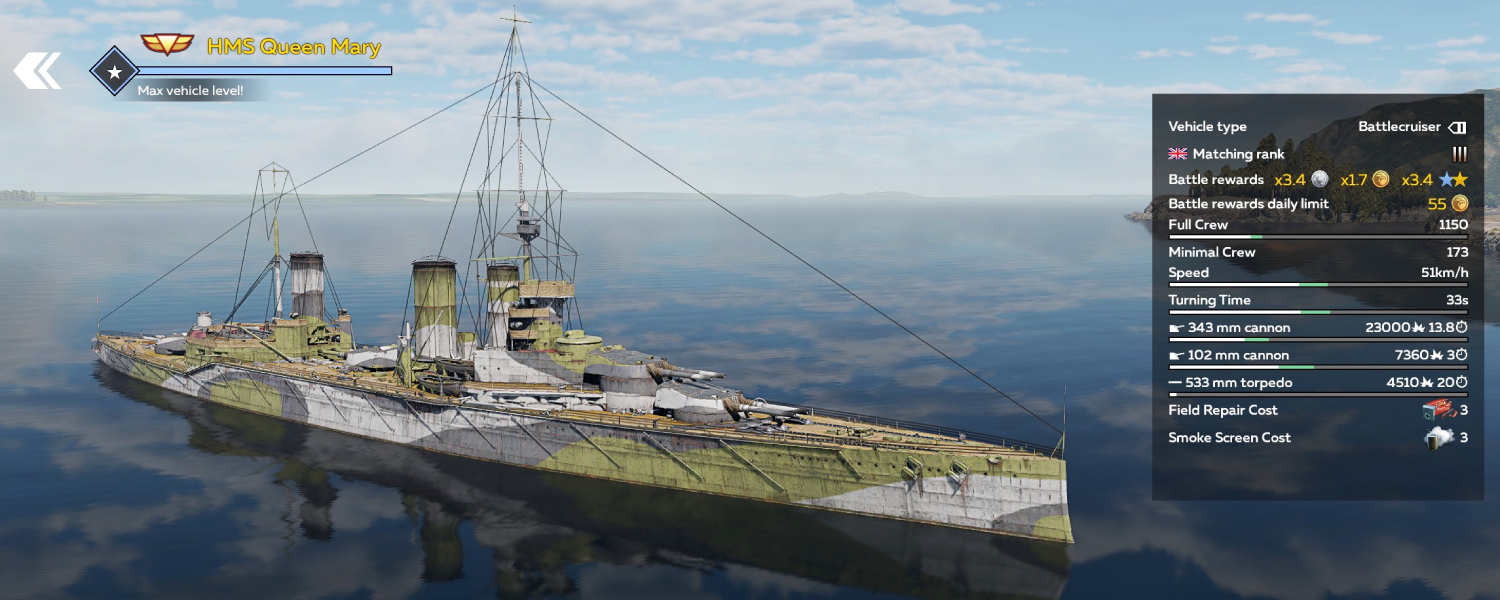
In Battle
HMS Queen Mary offers commanders a compelling combination for her rank – the handling of a cruiser paired with the uncompromising firepower of a battleship.
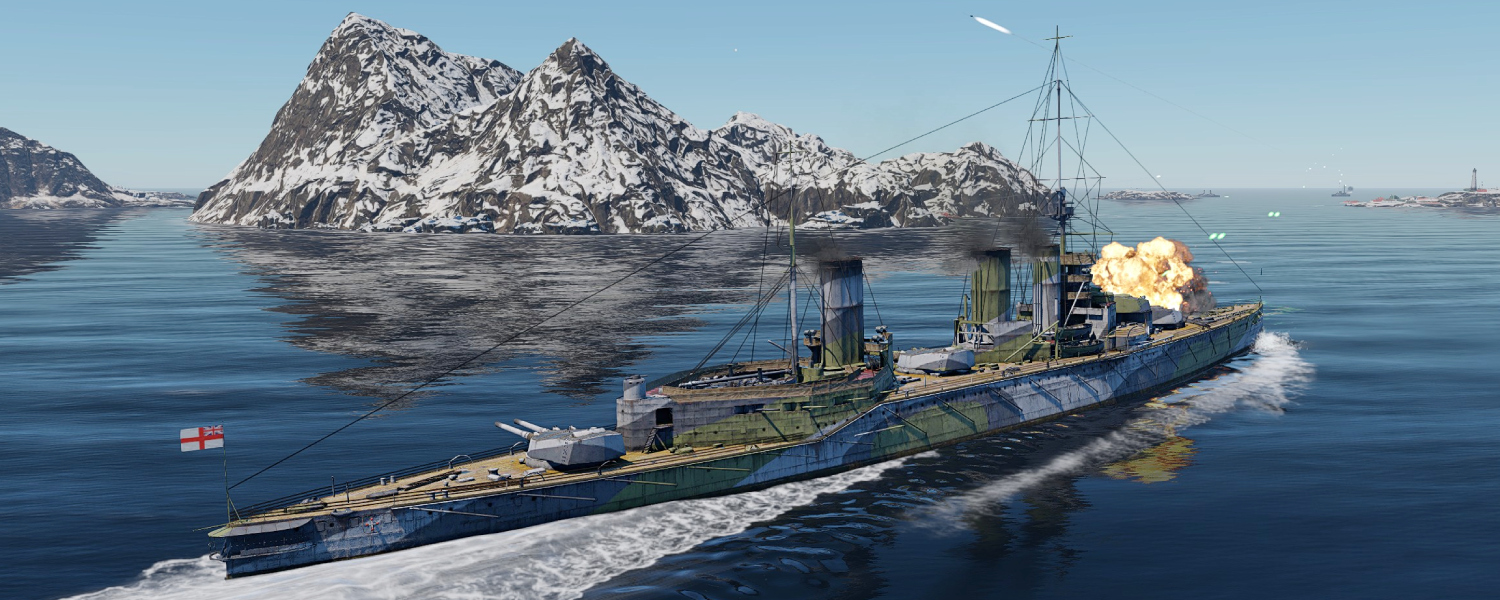
Four turrets mounting 343 mm guns allow you to confidently engage any target, including battleships at long range. At the same time, HMS Queen Mary demonstrates excellent seakeeping qualities for a ship of her era – her top speed exceeding 50 km/h.
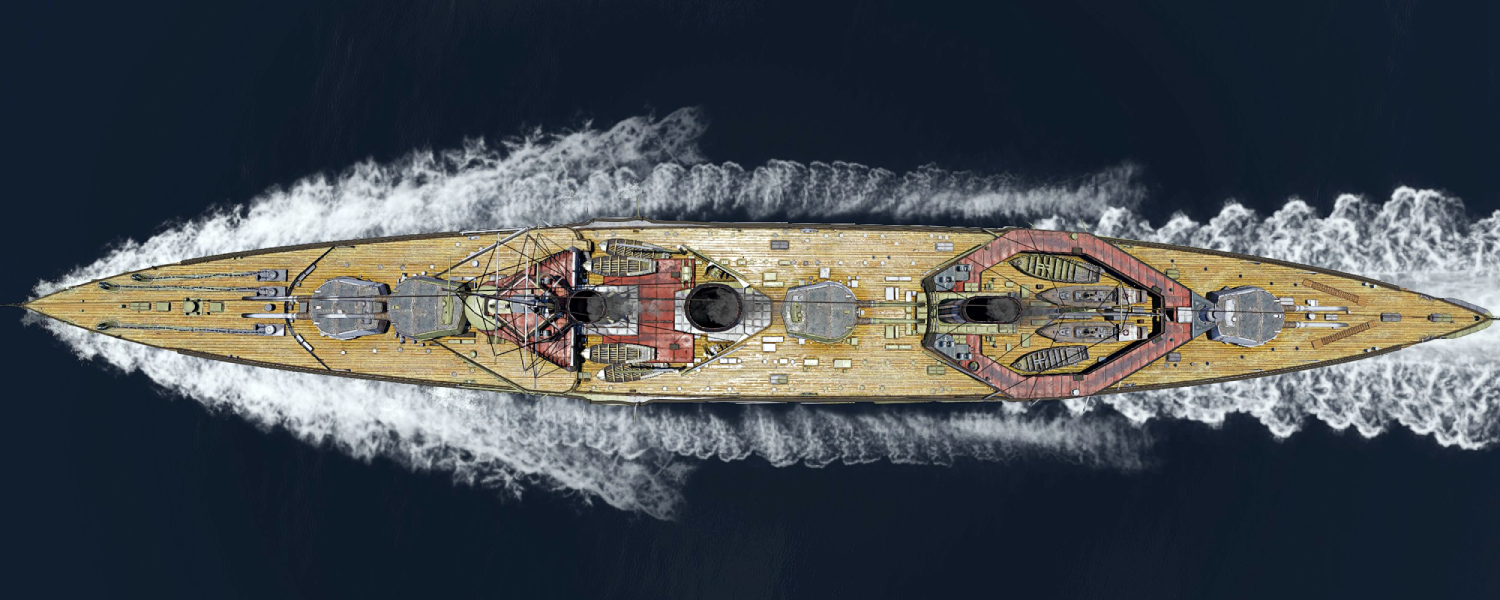
Speed comes at the cost of protection, however: her armor is stronger than that of cruisers, but falls short of most battleships. This defines her playstyle – she is best employed as a heavy cruiser, staying close to allies who can absorb enemy fire while her powerful main battery delivers devastating blows to the most dangerous targets in the sector.
Washington B.Mk.I (Rank VIII)
Historical Note
In the late 1940s, the Royal Air Force was in urgent need of a capable strategic bomber – one that could also serve as a prospective nuclear weapons carrier. Indigenous developments, including the early V-bomber projects, promised a solution only by the mid-1950s. The establishment of NATO and the Mutual Defense Assistance Act of 1949 offered Great Britain a ready-made alternative.
The United States held a large number of B-29 bombers in reserve, and the RAF moved to use them for the temporary reinforcement of Bomber Command. A total of 87 aircraft were delivered from March 1950, receiving the designation Washington B.1. In British service, these machines never dropped a bomb in anger – but from 1950 to 1954 they formed the backbone of Bomber Command’s nuclear deterrent.
Brief Overview
- Strengths: A bomb load of up to 20,000 lb and numerous turrets covering all angles of approach.
- Weaknesses: Large size.
- Role in battle: One of the finest heavy bombers in the game, combining a massive bomb load with all-round defensive coverage from its machine-gun turrets.
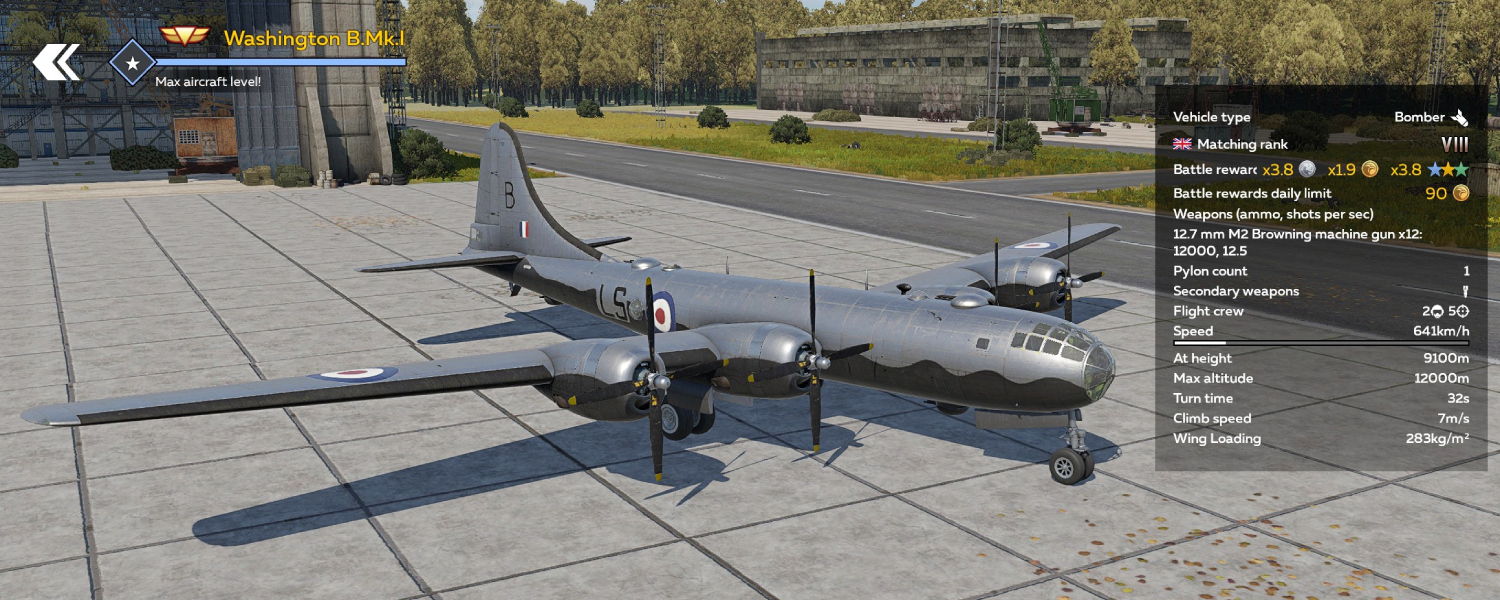
In Battle
The legendary American Superfortress B-29 has long held an iconic place in War Thunder Mobile. Now this strategic bomber makes its appearance in the British aviation line – meet the Washington B.Mk.I.
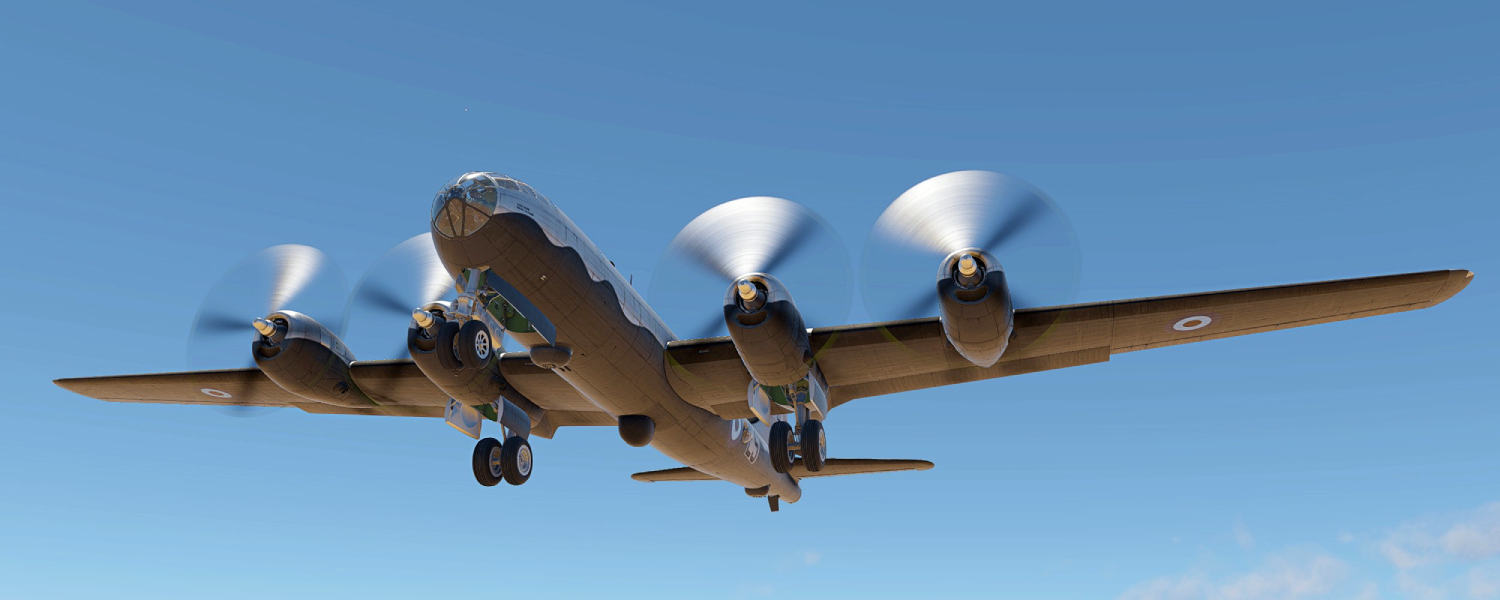
The Washington’s defining advantage is its bomb load: 40 x 500 lb bombs, 18 x 1,000 lb, 8 x 2,000 lb, or 4 x 4,000 lb – up to 20,000 lb of ordnance in total. This is a record figure among all Royal Air Force aircraft in the game. Beyond its payload, the Washington is distinguished by its defensive armament: five remotely controlled turrets provide all-round protection against incoming threats.
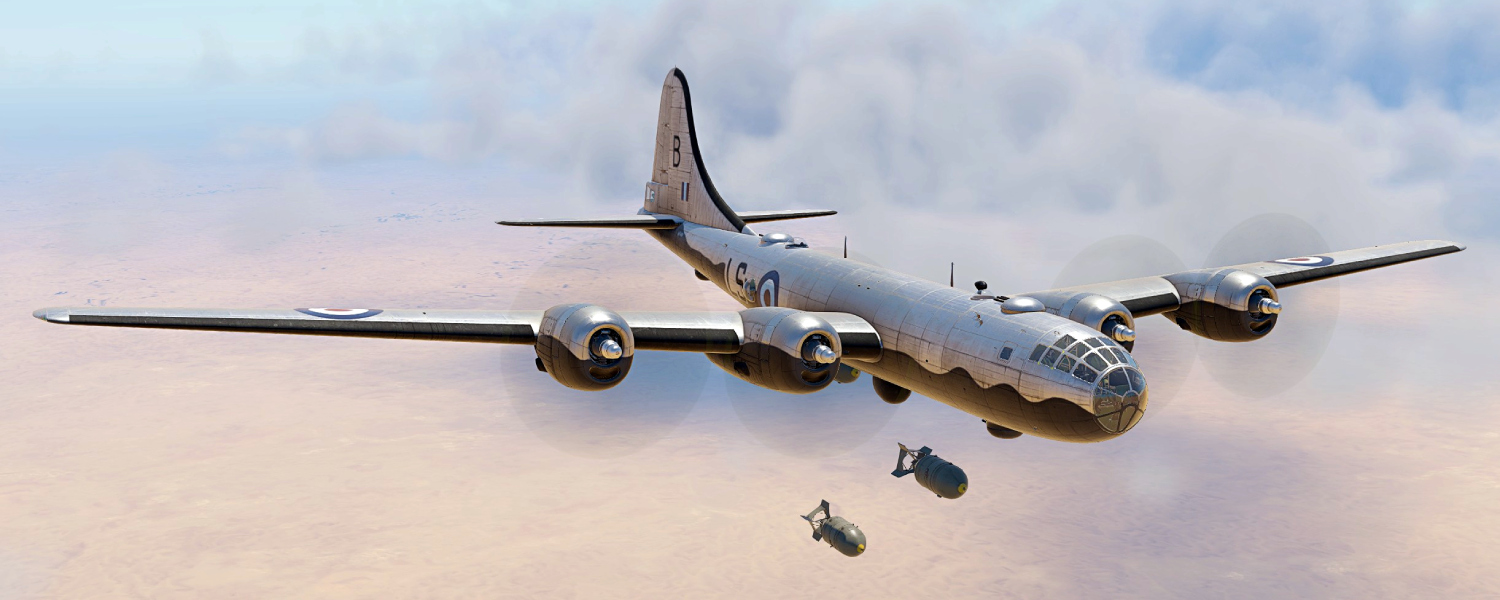
Its flight characteristics impress as well – at high altitude, the Washington is capable of exceeding 650 km/h. These qualities together point to a clear and effective tactic: gain altitude, maintain careful situational awareness, and deliver salvo after salvo onto enemy bases with precision. Intercepting this giant will be no easy task for enemy fighters – climbing to altitude costs them speed and leaves them exposed to fierce bursts from the heavy machine guns. Even so, the Washington B.Mk.I’s commander must never grow complacent – learn to engage accurately from the turrets at maximum range.
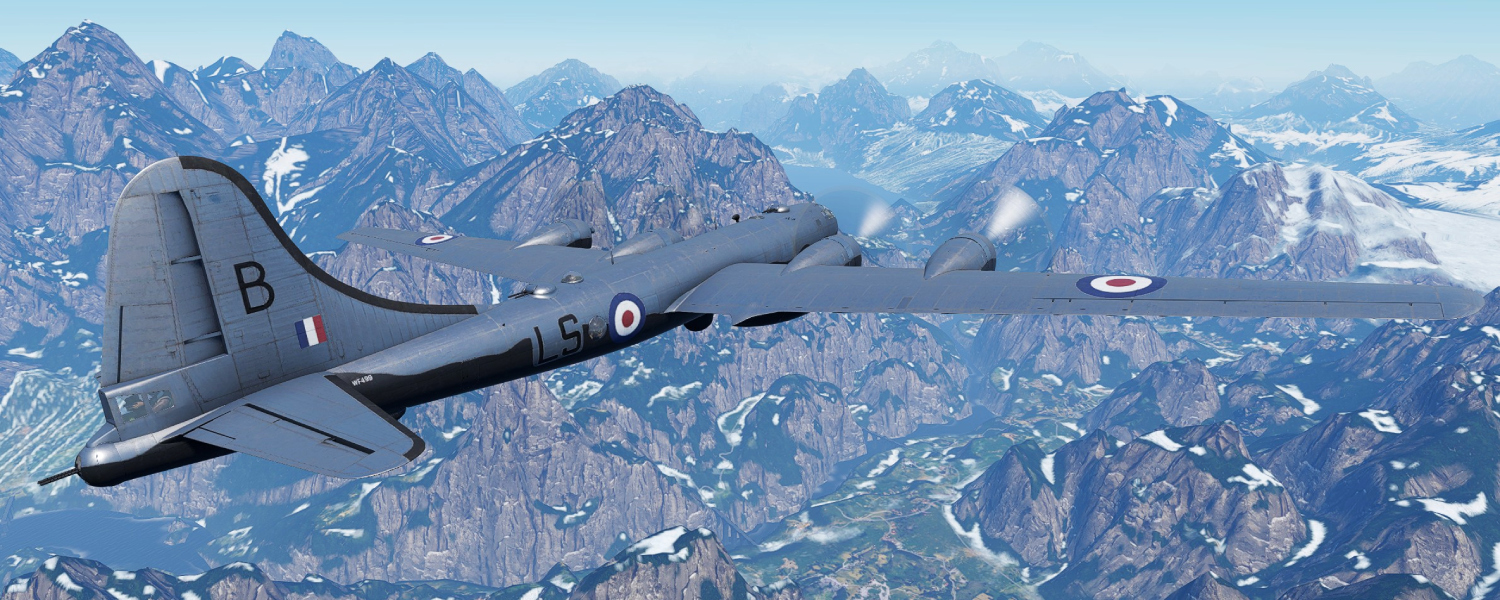
Intercepting this giant will be no easy task for enemy fighters – climbing to altitude costs them speed and leaves them exposed to fierce bursts from the heavy machine guns. Even so, the Washington B.Mk.I's commander must never grow complacent – learn to engage accurately from the turrets at maximum range.
Seasonal Challenge
After completing the event tasks between July 22nd and July 29th (ends at 07:00 GMT), you can receive the maximum discount on the Seasonal Offers!
Don’t miss the fantastic chance to buy great premium vehicles at a discount and receive bonus Big Trophy keys from the “Rising Threat” season.