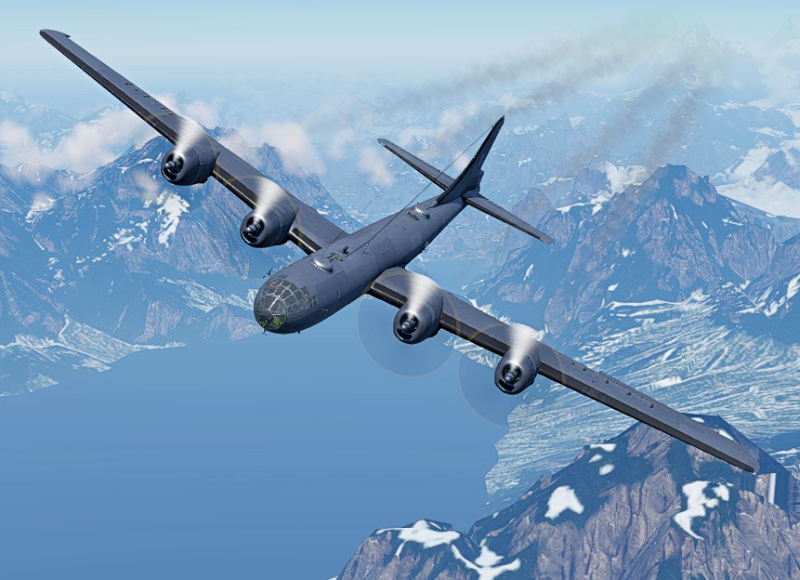

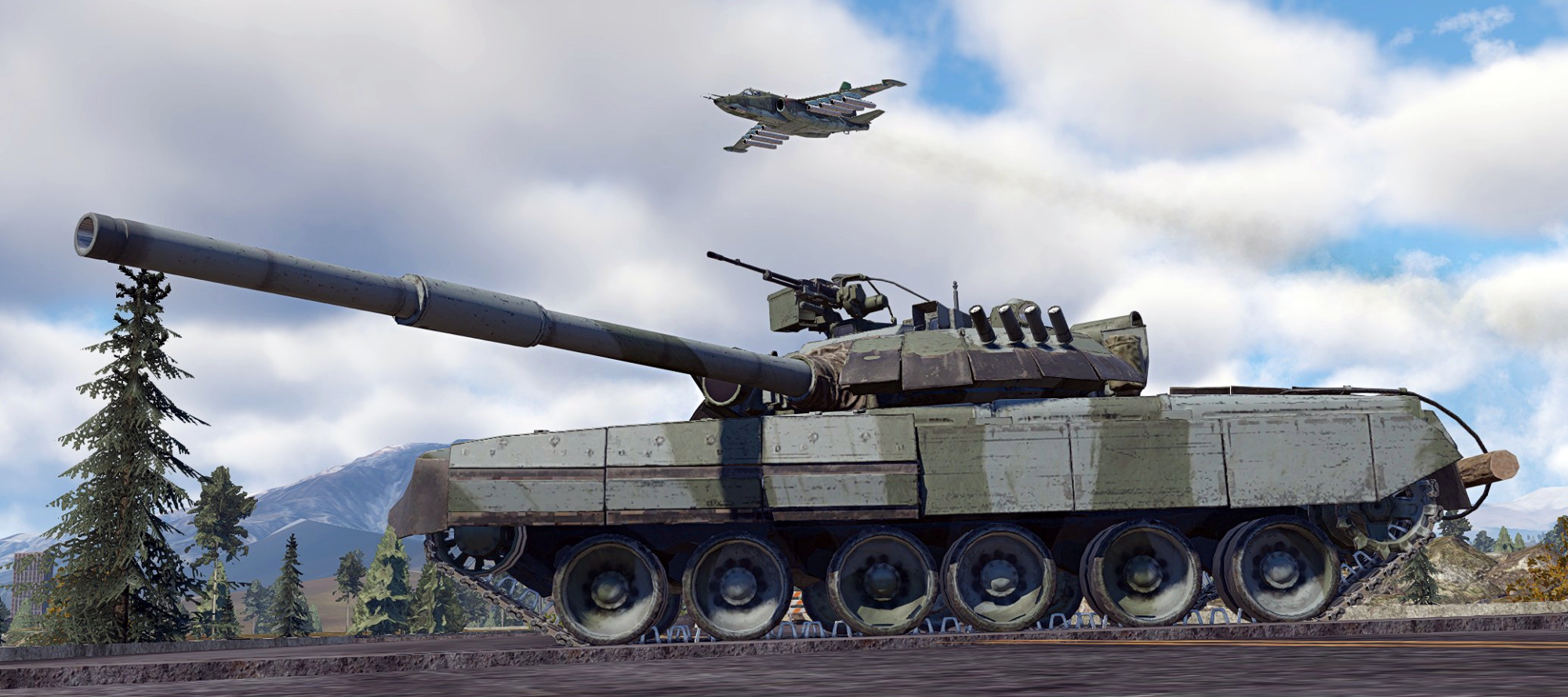
[Seasonal Offer] Three Aces Up Your Sleeve
Unique ground, naval and air vehicles – in seasonal offers only!
Seasonal Offers
Commanders! 🚩 From April 2nd to April 9th, 2026 (ends at 07:00 GMT), as part of a Seasonal Offer, a new set of unique premium vehicles will be available to you. After completing special Seasonal Challenges, you will be able to purchase it with a maximum discount:
- In the Tank Campaign: T-80UD + 4 Keys for the Big Trophy from the “Tropic Raid” season + Back-ups x5, Repair Kits x100, Medical Kits x100, Fire Extinguishers x50.
- In the Ship Campaign: Mackensen + 4 Keys for the Big Trophy from the “Tropic Raid” season + Smoke Generators x250 + Naval Supply x250.
- In the Aviation Campaign: A2D-1 Skyshark + 4 Keys for the Big Trophy from the “Tropic Raid” season + Back-ups x10.
T-80UD (Rank XI)
Historical note
The T-80UD tank was developed in the mid-1980s to address issues encountered with the gas turbine engine of the T-80U. Engineers at the Kharkiv Morozov Machine Building Design Bureau replaced the turbine with the reliable and fuel-efficient 6TD diesel engine, giving the new variant its designation “UD” (“Usovershenstvovanniy Dieselny,” or “Improved Diesel”). The T-80UD retained many of the key strengths of its predecessor, including a powerful 125 mm smoothbore gun with separate-shell loading, composite armour with integrated “Kontakt-5” explosive reactive armour (ERA), and strong mobility.
The tank was officially adopted by the Soviet Army in 1987, with production established at the Malyshev Plant in Kharkiv. In the late 1990s, more than 300 units were delivered to Pakistan.
SWOT Analysis
- Strengths: Very high protection, an autoloader, and effective ammunition, including APFSDS and ATGMs.
- Weaknesses: Very slow reverse speed, a cramped layout, and poor gun depression.
- Role in battle: This MBT excels in urban combat and performs especially well in defensive roles due to its advanced armour protection.
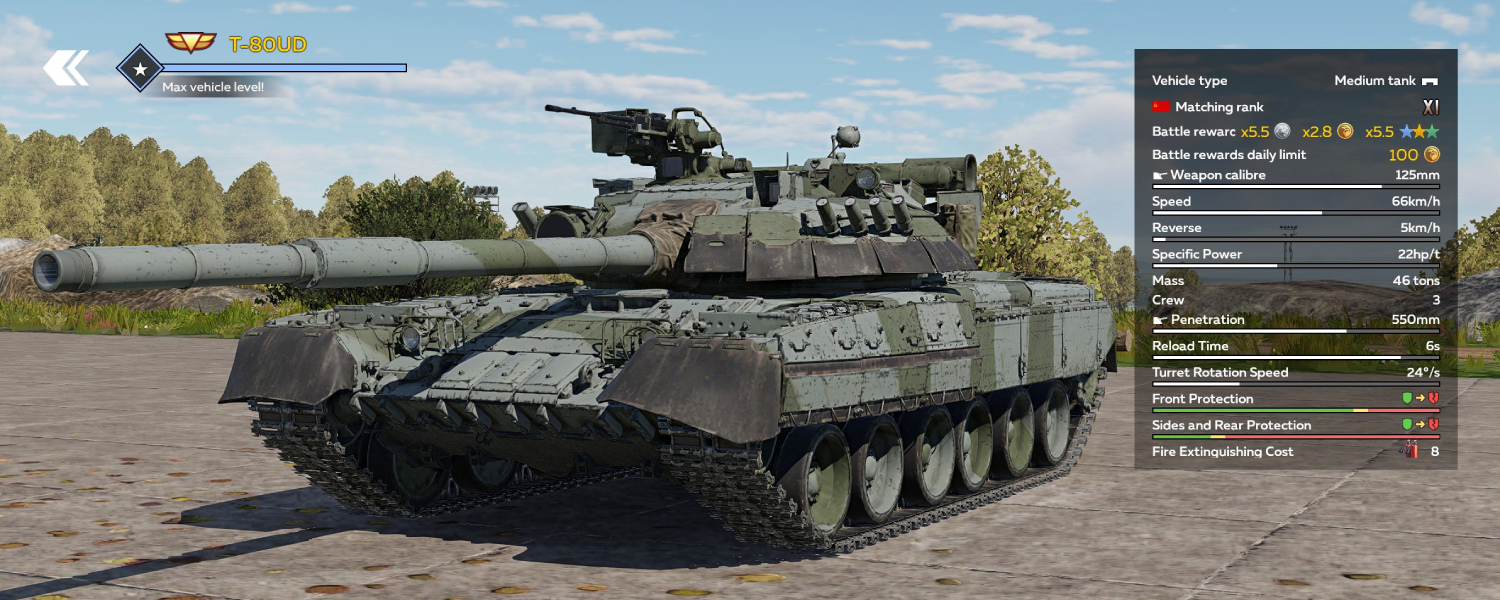
In battle
The new T-80UD stands out among top-tier MBTs for its excellent protection and high firepower, but it falls behind most of its peers in speed and overall mobility.
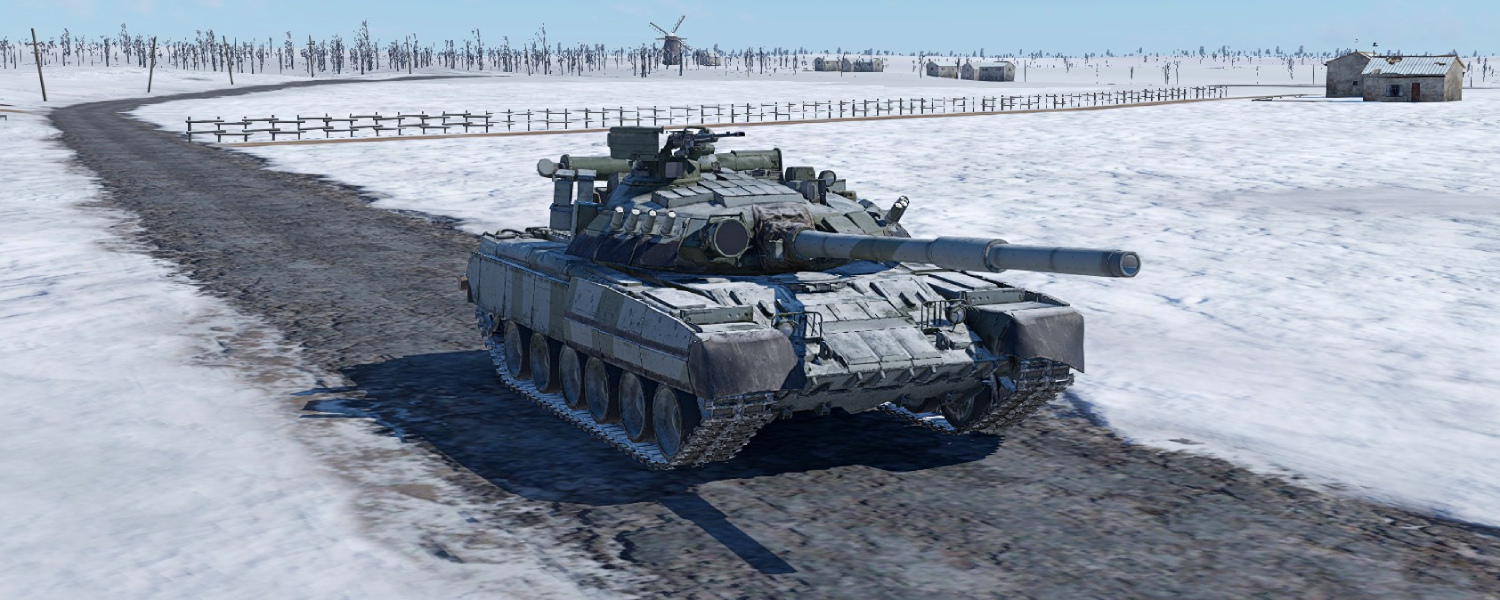
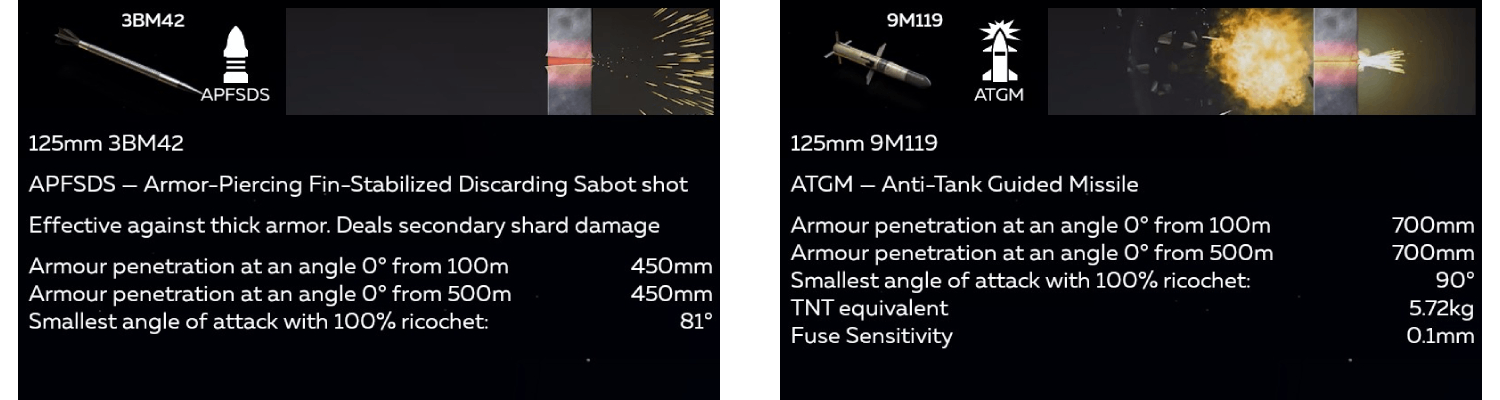
View the characteristics of the T-80UD’s shells:
View the characteristics of the T-80UD’s shells:
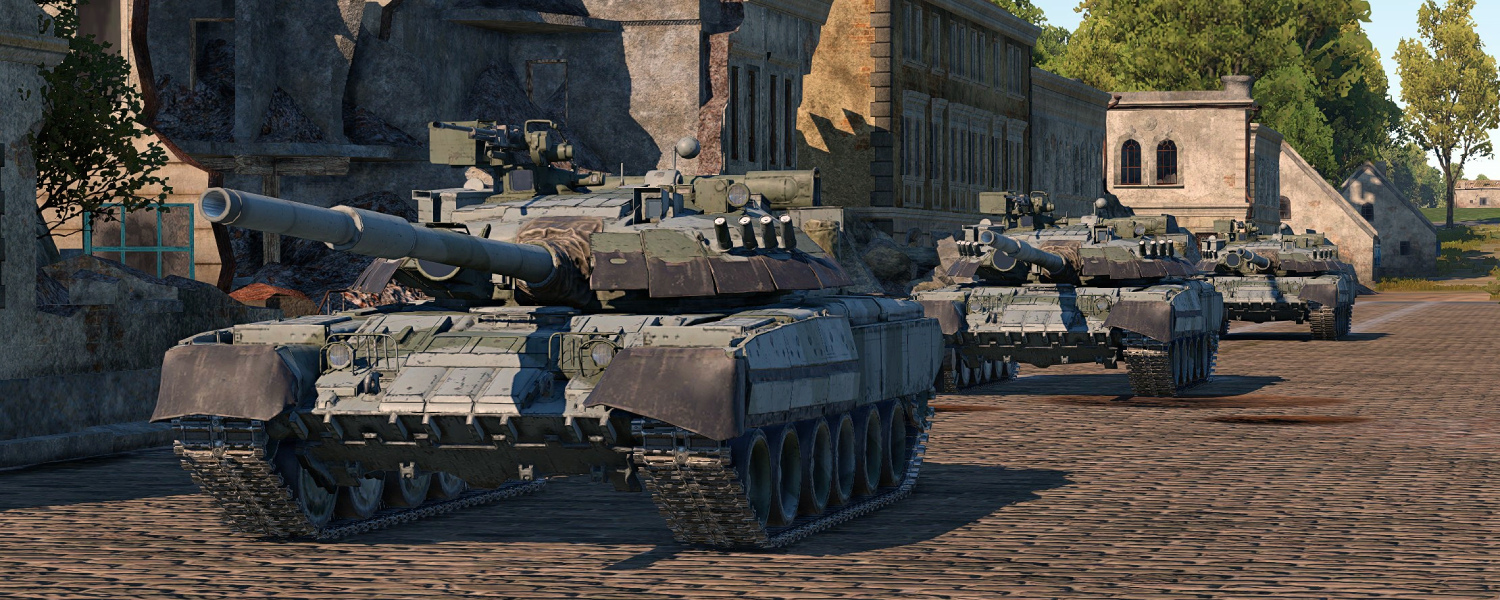
This newcomer features a complex armour layout, combining composite elements with modern fillers integrated into the steel structure. The hull and turret are further protected externally by “Kontakt-5” ERA blocks. Despite some weak zones, the tank is highly resilient in the frontal arc and can withstand hits from most types of ammunition. The sides of both the hull and turret are also strong enough to resist bursts from many automatic cannons used by light armoured vehicles.
In addition to its strong survivability, the T-80UD delivers significant firepower. Its carousel-type autoloader provides access to multiple 125 mm munitions, including the 3BM42 “Mango” APFSDS round, which offers over 450 mm of penetration, and the 9M119 “Refleks” ATGM, highly effective at long range against actively manoeuvring targets.
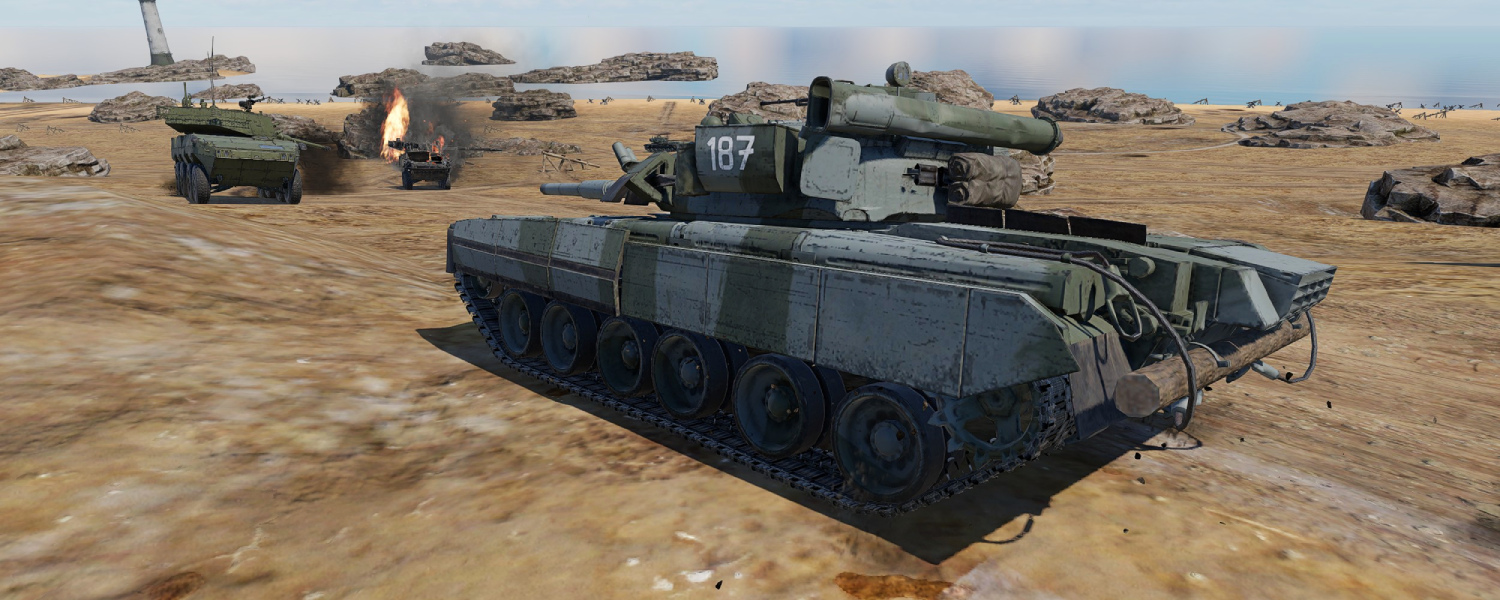
The T-80UD features a new diesel engine, but its reverse speed remains extremely slow. Combined with the gun’s limited depression, this makes it difficult to use effectively on open maps that rely on natural terrain. In urban environments, however, its high survivability and rapid rate of fire allow it to effectively attack and defend entire sectors or key capture points, often with minimal support. Be cautious of your flanks. Side hits from tank cannons are usually fatal due to the cramped three-man crew and large ammunition storage. Rely on your heavily armored turret front when engaging the enemy.
Mackensen (Rank IV)
Historical note
Germany’s decision to build new battlecruisers was driven by intelligence on the British Queen Elizabeth-class battleship, which were armed with 381 mm guns. In August 1912, Naval Minister Alfred von Tirpitz initiated the design process. Development continued for more than a year as designers struggled to balance speed, protection, firepower, and displacement. The final compromise featured eight 350 mm guns mounted in four turrets. By increasing displacement to 31,000 tons, the design achieved a top speed of 27.5 knots along with substantial armour protection.
The design was finalized in late 1913, and four ships of this class were planned under the 1914–1915 program. However, the outbreak of World War I shifted German shipbuilding priorities toward submarines and the completion of battleships already under construction, leaving none of the new cruisers finished. Under the terms of the Treaty of Versailles, the unfinished hulls were to be handed over to the victorious powers. Due to their low level of technical readiness, however, they were instead broken up for scrap between 1921 and 1922.
SWOT Analysis
- Strengths: Excellent protection, a powerful main battery, and effective torpedoes.
- Weaknesses: Weak anti-aircraft defense.
- Role in battle: A fast, aggressive capital ship that comes close to early battleships in firepower and protection, while surpassing them in speed!
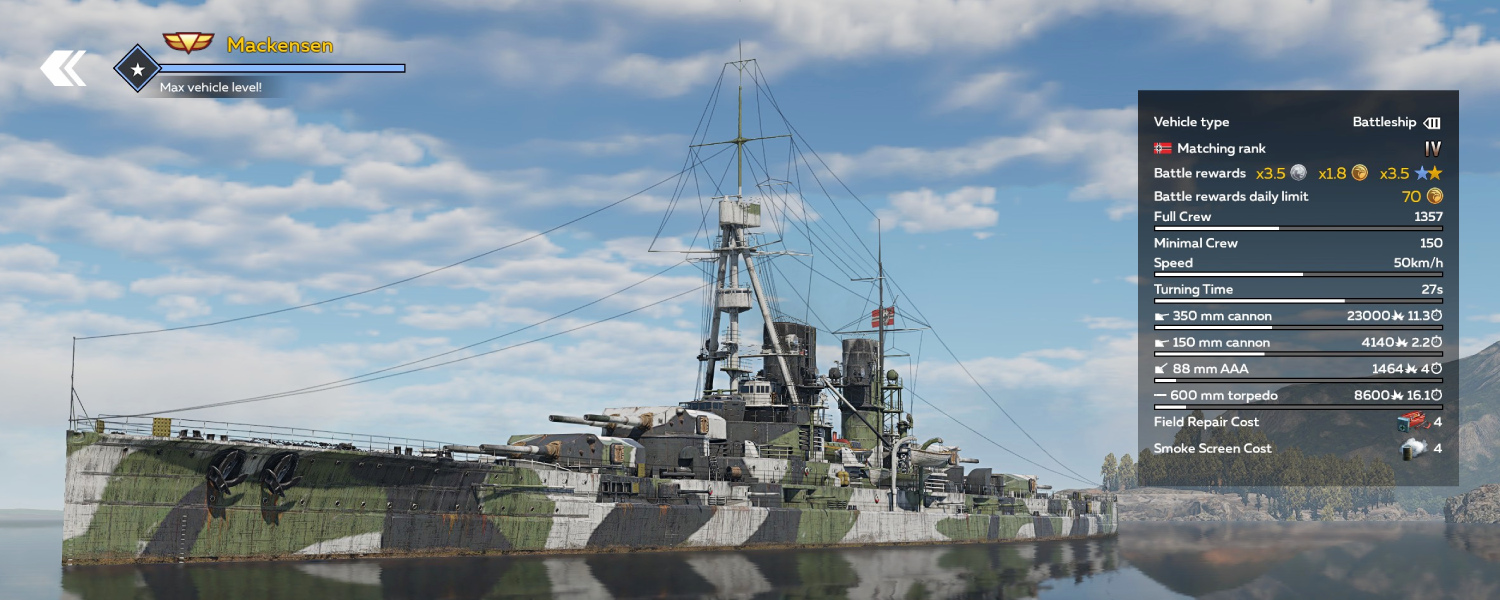
In battle
The battlecruiser Mackensen exemplifies the German First World War shipbuilding tradition and was designed to be a formidable opponent to most contemporary vessels. With a well-balanced combination of firepower, armor, and exceptional speed, it is well suited for a prominent role in mid-rank naval battles.
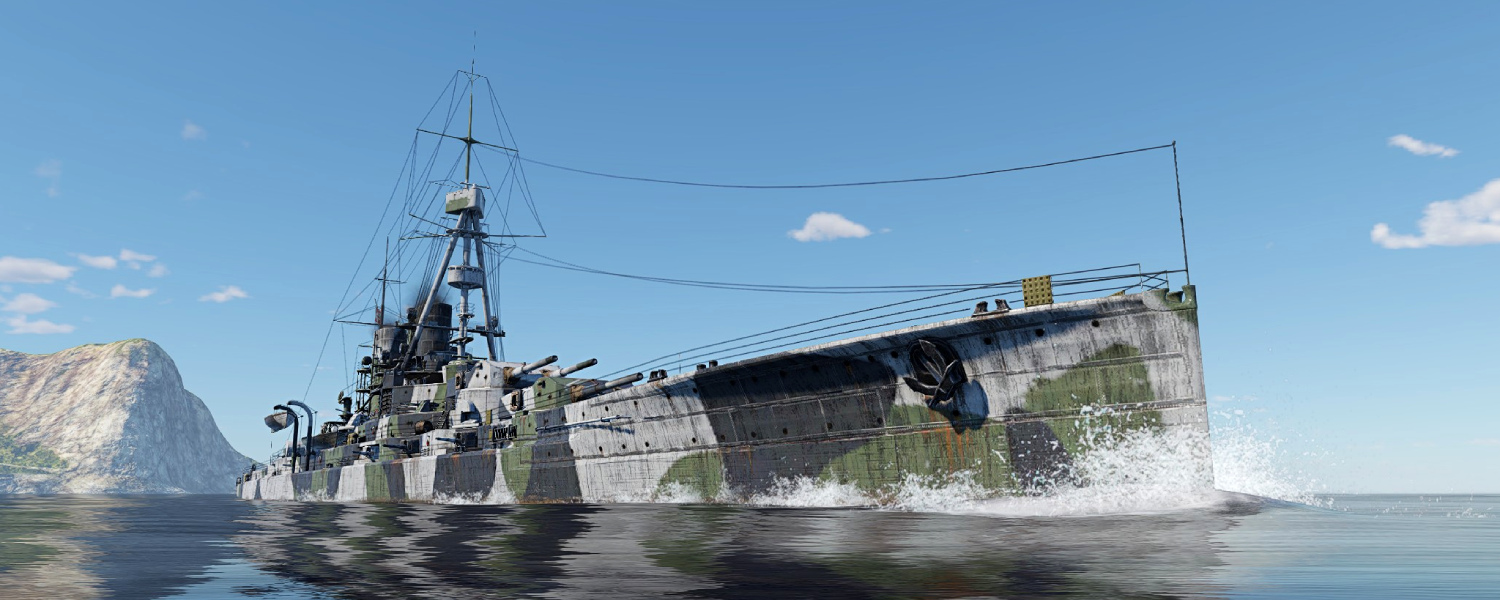
Mackensen’s combat strength centers on eight 350 mm guns mounted in four twin turrets. This main battery can reliably engage cruisers and most battleships of its rank. However, it struggles against heavily armored dreadnoughts, where its guns may prove ineffective even at short range. Its torpedo armament is a notable advantage: five submerged 600 mm tubes carrying a total of 24 torpedoes, enabling effective close-range surprise attacks. In contrast, Mackensen’s anti-aircraft defenses are limited, consisting of just eight slow-firing and outdated 88 mm guns.
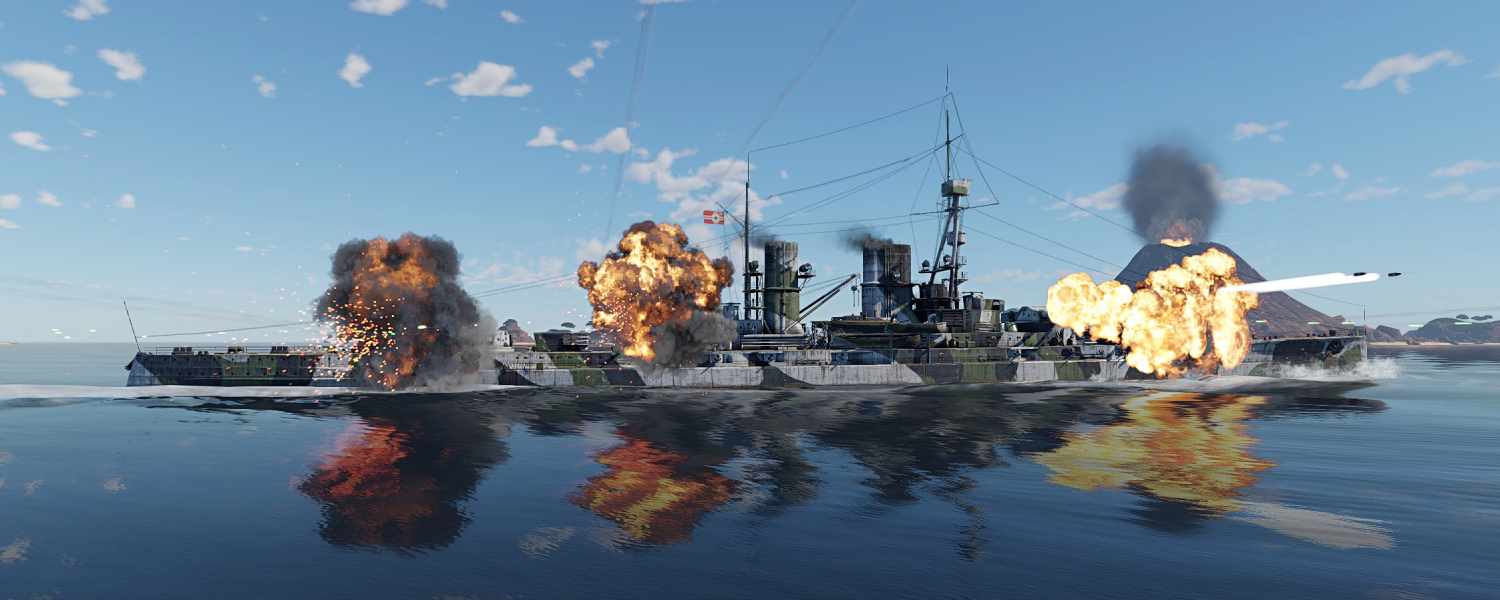
Its survivability comes from its well-designed armour and large crew, enabling it to perform reliably at medium and long ranges. Its true advantage, however, lies in its handling characteristics – in game, it is among the fastest capital ships at its rank!
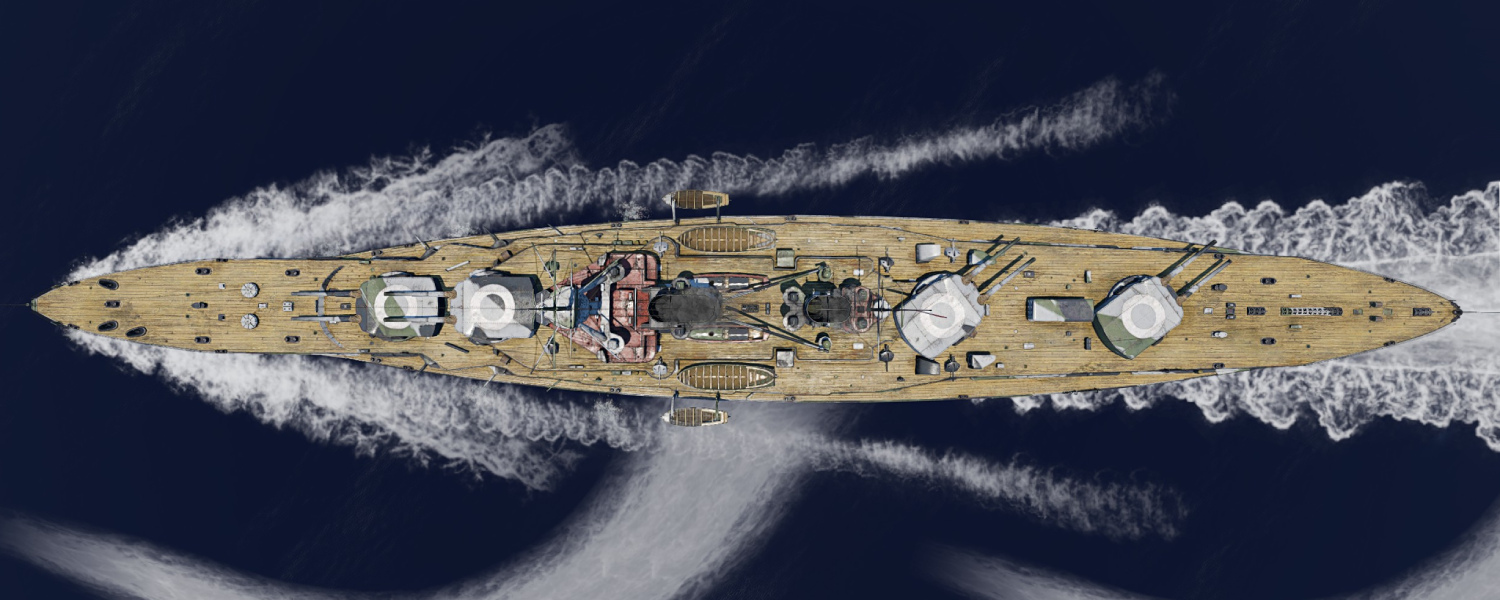
This well-balanced battlecruiser, effective on the flanks, adept at hunting enemy cruisers, and capable of delivering unexpected torpedo strikes against heavier ships. The commander’s primary task is to control engagement distance and avoid direct confrontations with heavily armoured battleships, using superior speed to dictate the terms of battle.
A2D-1 Skyshark (Rank IX)
Historical note
In the early postwar years, the US Navy launched several programs to develop advanced carrier-based strike aircraft with improved performance. Early turbojet engines, however, consumed excessive fuel, making them unsuitable for strike roles. The Douglas Aircraft Company pursued a compromise by adopting a turboprop powerplant. A direct attempt to replace the piston engine on the Skyraider failed, forcing designers to develop an almost entirely new aircraft. The result was the XA2D-1 Skyshark prototype, powered by a turboprop engine driving two contra-rotating propellers.
The Skyshark’s first flight on 26 May 1950 lasted only two minutes, as catastrophic vibrations nearly destroyed the airframe. A series of serious flight incidents followed, all linked to its unreliable and underdeveloped powerplant and transmission. Despite these issues, the Navy ordered ten pre-production aircraft. However, in August 1954, another accident caused by gearbox failure brought the project to an end.
SWOT Analysis
- Strengths: Enormous payload capacity, four 20 mm cannons, high speed, and good handling.
- Weaknesses: Slower than some jet fighters.
- Role in battle: Effective in both air combat and ground attack missions.
In battle
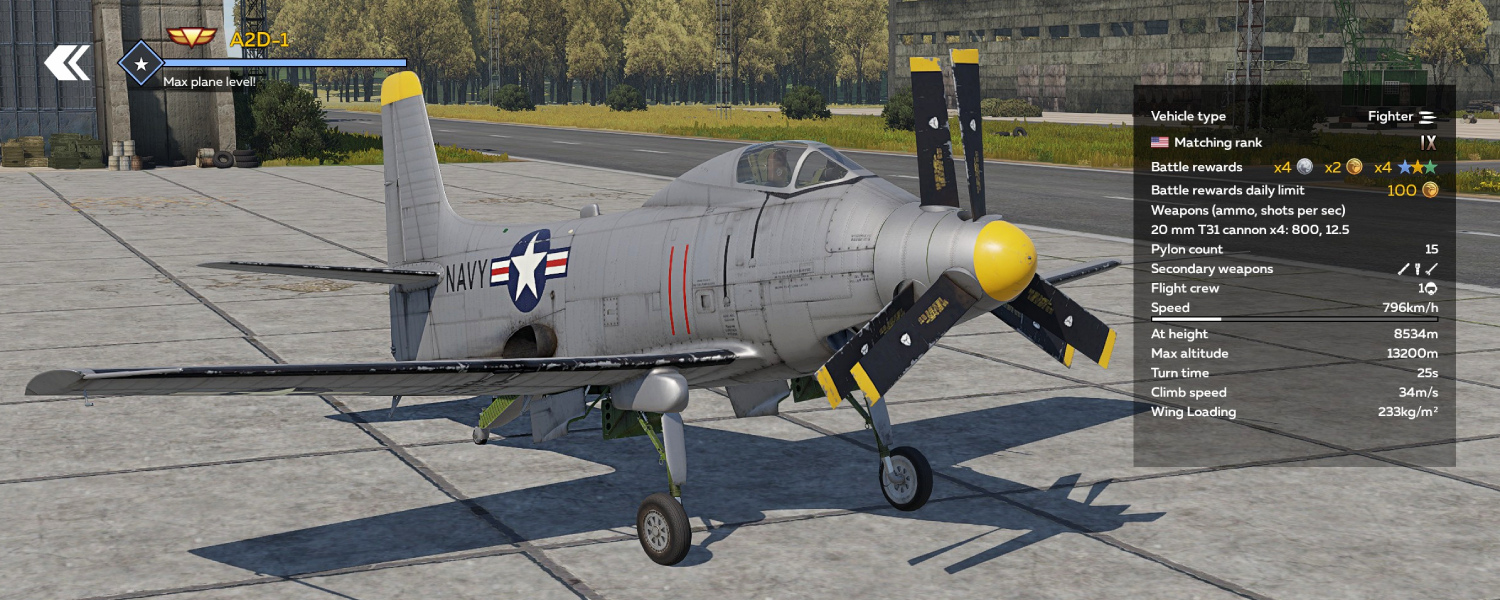
A further evolution of the “Skyraider” concept, this carrier-based attacker features a massive suspended weapons load and twin turboprop engines in a contra-rotating configuration. Meet the A2D-1 Skyshark, a rare example of combat turboprop aviation, equally capable in air combat and ground attack.
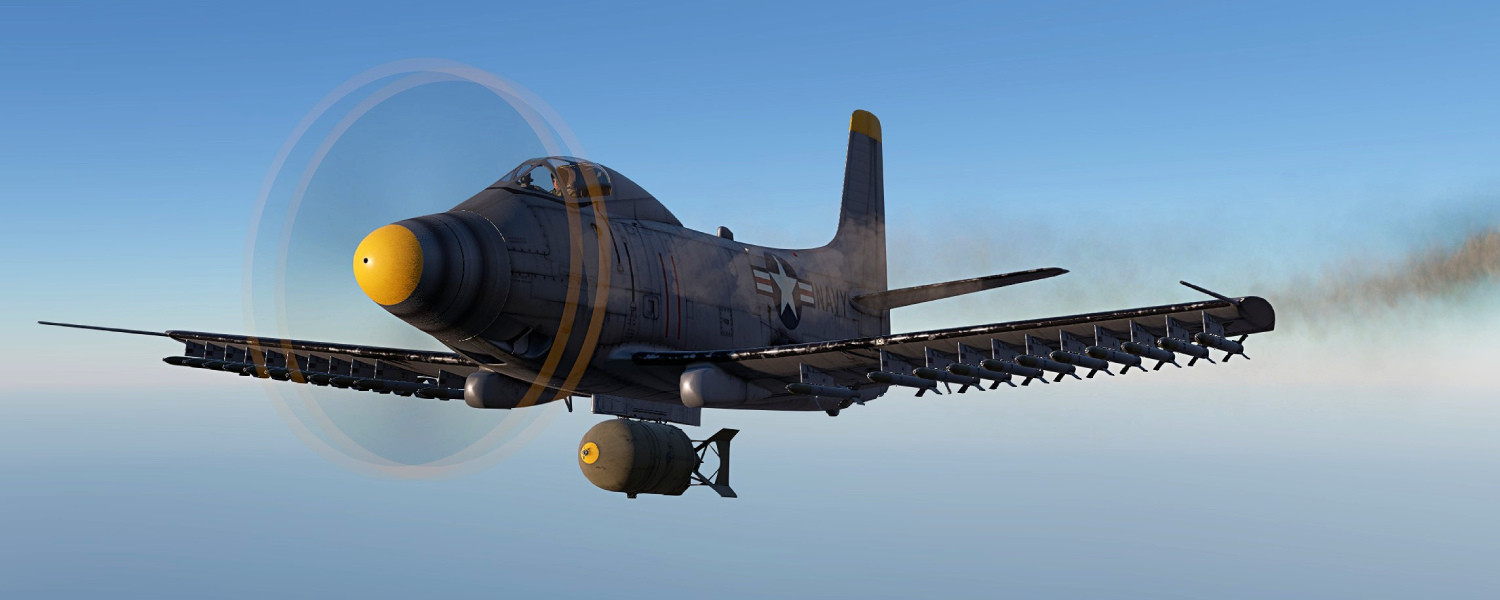
In War Thunder Mobile, the turboprop A2D-1 serves as a transitional link between piston-engine aircraft and early jets. The Skyshark combines the strengths of both: the acceleration and handling of propeller aircraft with the high top speed of jets. In flight, the A2D-1 outpaces most piston fighters and, in short bursts of acceleration and manoeuvring, can outmanoeuvre early jet fighters.
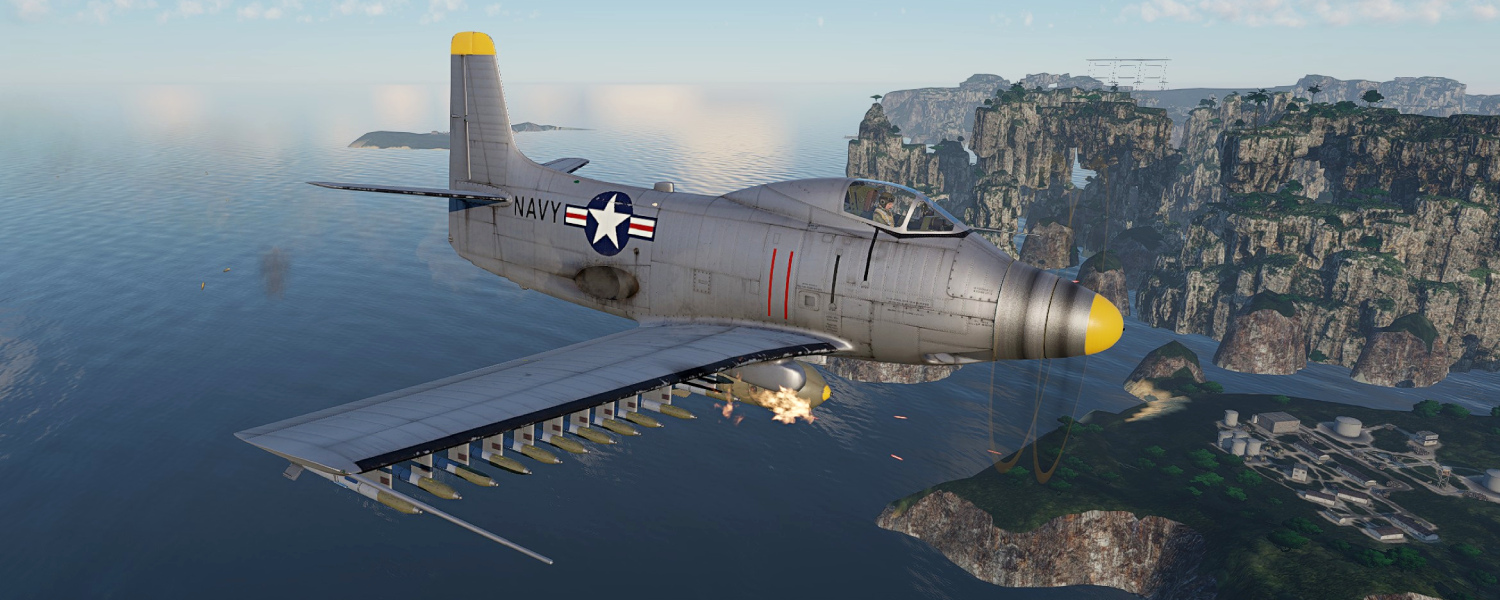
The A2D-1’s strengths also include powerful armament and an impressive bomb load. It is equipped with four 20 mm T31 cannons mounted in the wing consoles, upgraded versions of the Hispano with a higher rate of fire. This fixed forward armament is highly versatile in air combat and can effectively engage targets of any size. Under the wings, the A2D-1 carries a substantial and varied ordnance load. Across its 12 hardpoints, pilots can equip a wide range of payloads, including up to 20 HVAR rockets, torpedoes, and multiple bomb configurations: up to 20 × 250 lb bombs, 12 × 500 lb bombs, three 1,000 or 2,000 lb bombs, or a single 4,000 lb bomb. It fully embodies the US Navy carrier-based attacker philosophy: “more is more.”
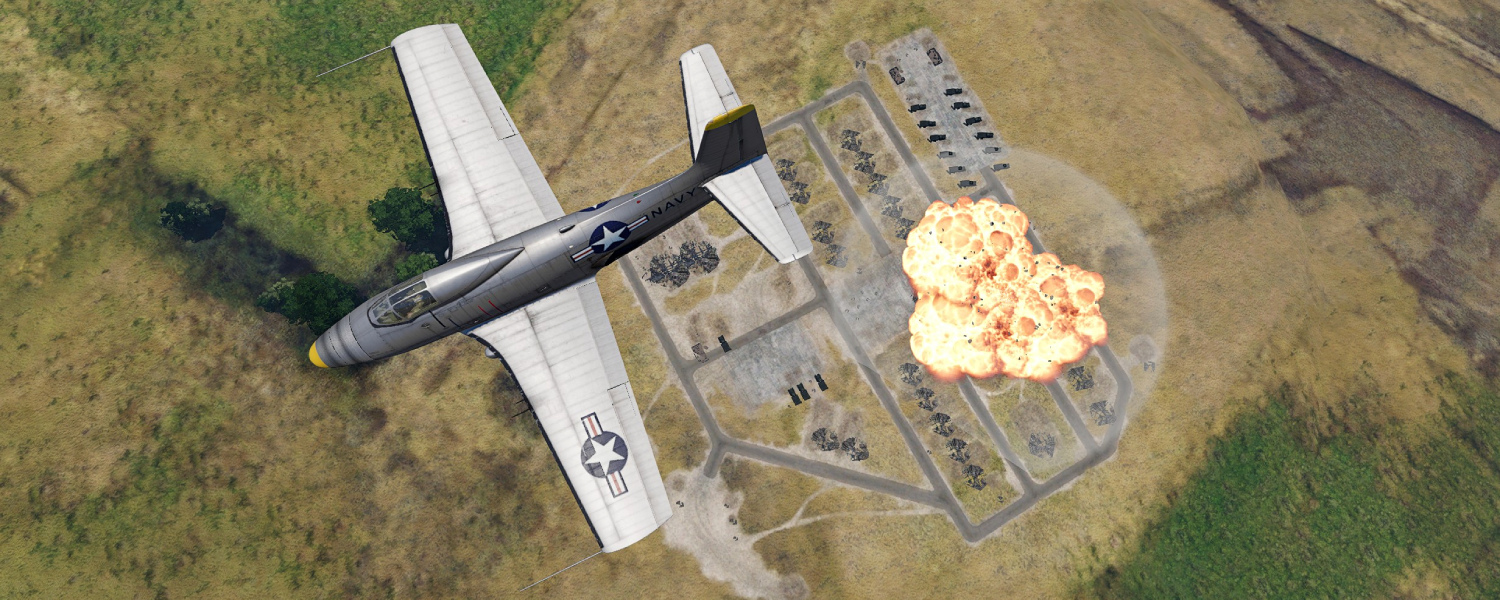
The pilot can employ the A2D-1 in several effective ways. It can engage enemy fighters at medium altitudes, operate as a “bomb truck” to destroy numerous ground targets in a single sortie, or adopt a mixed approach by striking ground targets before transitioning into air combat. The A2D-1 performs strongly in all of these roles!
Seasonal Challenge
After completing the event tasks between April 2nd and April 9th (ends at 07:00 GMT), you can receive the maximum discount on the Seasonal Offers!
Don’t miss the fantastic chance to buy great premium vehicles at a discount and receive bonus Big Trophy keys from the “Tropic Raid” season.