[Seasonal Offer] The Triad of Elements
Unique ground, naval and air vehicles – in seasonal offers only!
Seasonal Offers
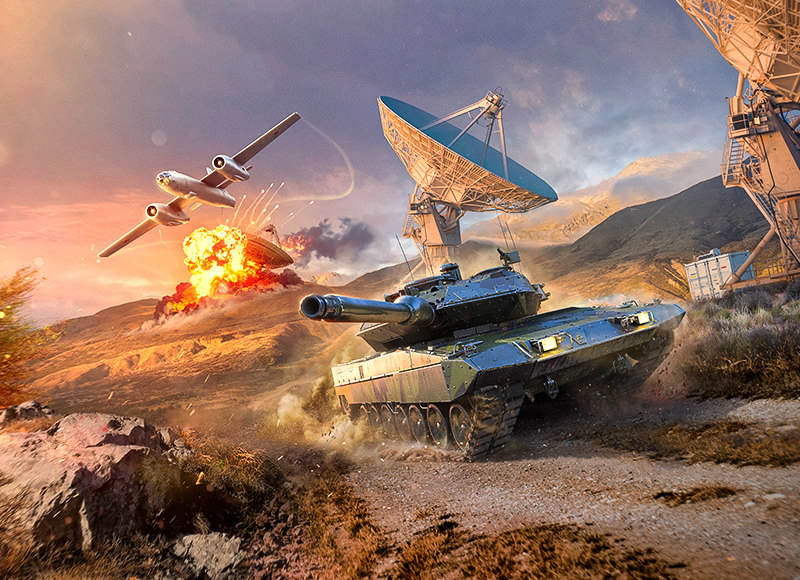
Commanders! 🚩 From October 15th to October 22nd, 2026 (ends at 07:00 GMT), as part of a Seasonal Offer, a new set of unique premium vehicles will be available to you. After completing special Seasonal Challenges, you will be able to purchase it with a maximum discount:
- In the Tank Campaign: ZTZ96A (P) + 3 Keys for the Big Trophy from the “Launch Protocol” season + Back-ups x5, Repair Kits x125, Medical Kits x100, Fire Extinguishers x50.
- In the Ship Campaign: HMS Repulse + 4 Keys for the Big Trophy from the “Launch Protocol” season + Smoke Generators x195 + Naval Supply x195.
- In the Aviation Campaign: Tu-14T + 4 Keys for the Big Trophy from the “Launch Protocol” season + Back-ups x5.
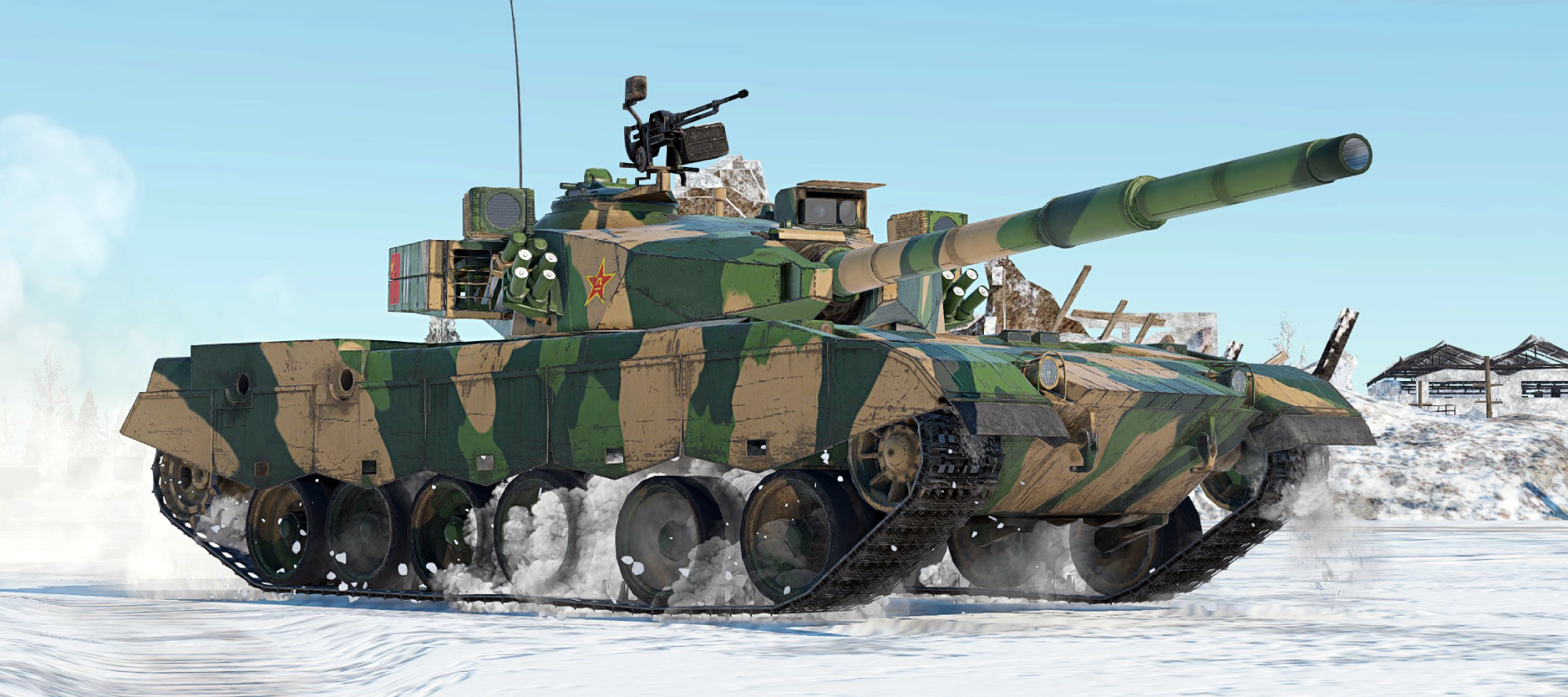
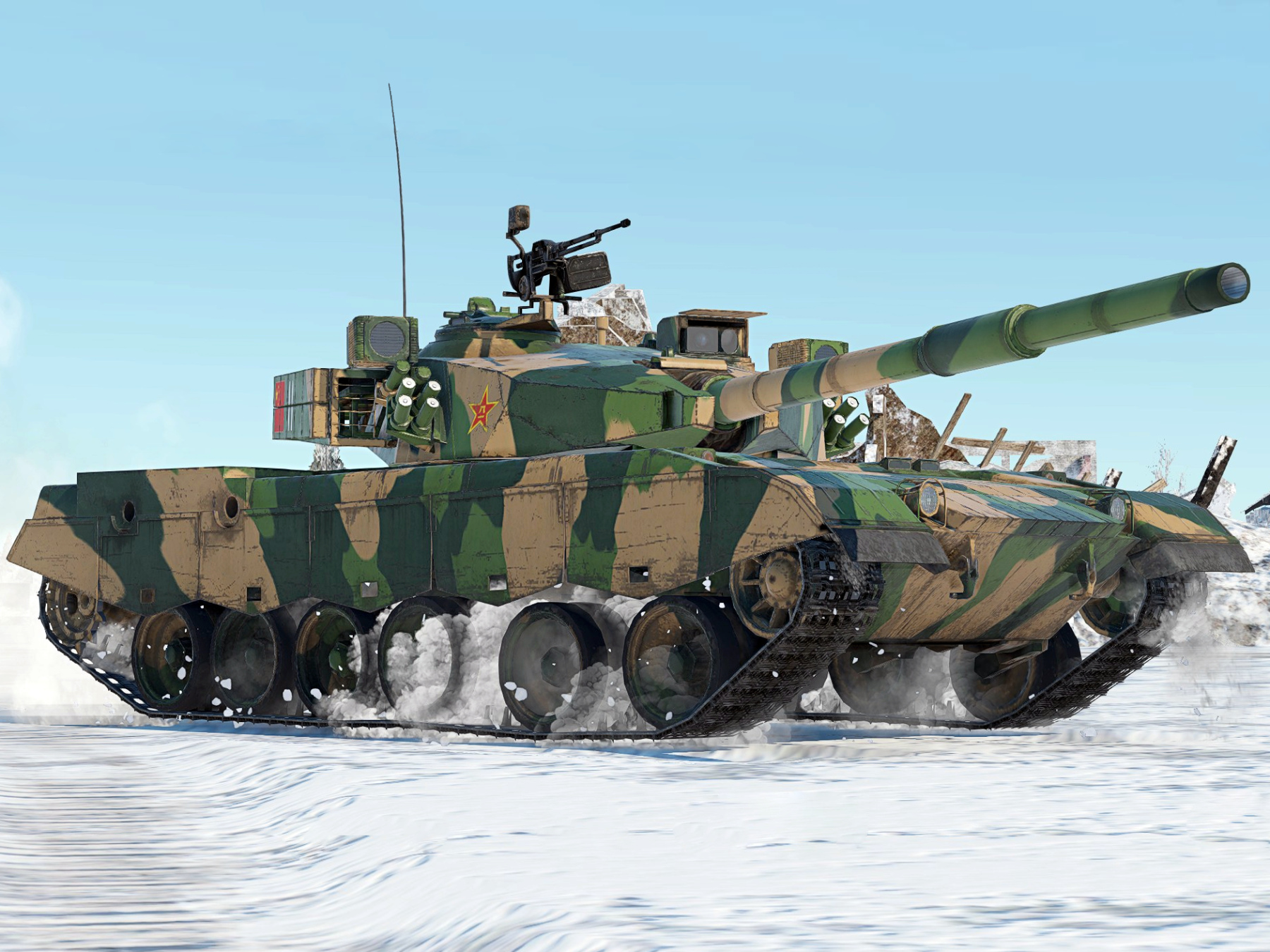
ZTZ96A (P) (Rank X)
Historical Note
The ZTZ96A Prototype is an experimental Chinese main battle tank of the ZTZ96 family, developed in the early 2000s as part of a modernization program for later vehicles on the production line.
Its primary distinction from the production ZTZ96A lies in the turret armor arrangement: rather than the arrowhead-shaped ERA mount, it uses spaced armor in a distinctive “needle-nose” profile reminiscent of the British Chieftain’s turret. Its second key difference is the JD-3 soft-kill active protection system – a derivative of the Soviet Shtora. Despite these modifications, the tank never entered serial production.
Brief Overview
- Strengths: Reinforced turret armor, ERA, capable APFSDS, and autoloader.
- Weaknesses: Low reverse speed.
- Role in battle: A well-balanced Chinese MBT with decent protection and a consistent rate of fire.
In Battle
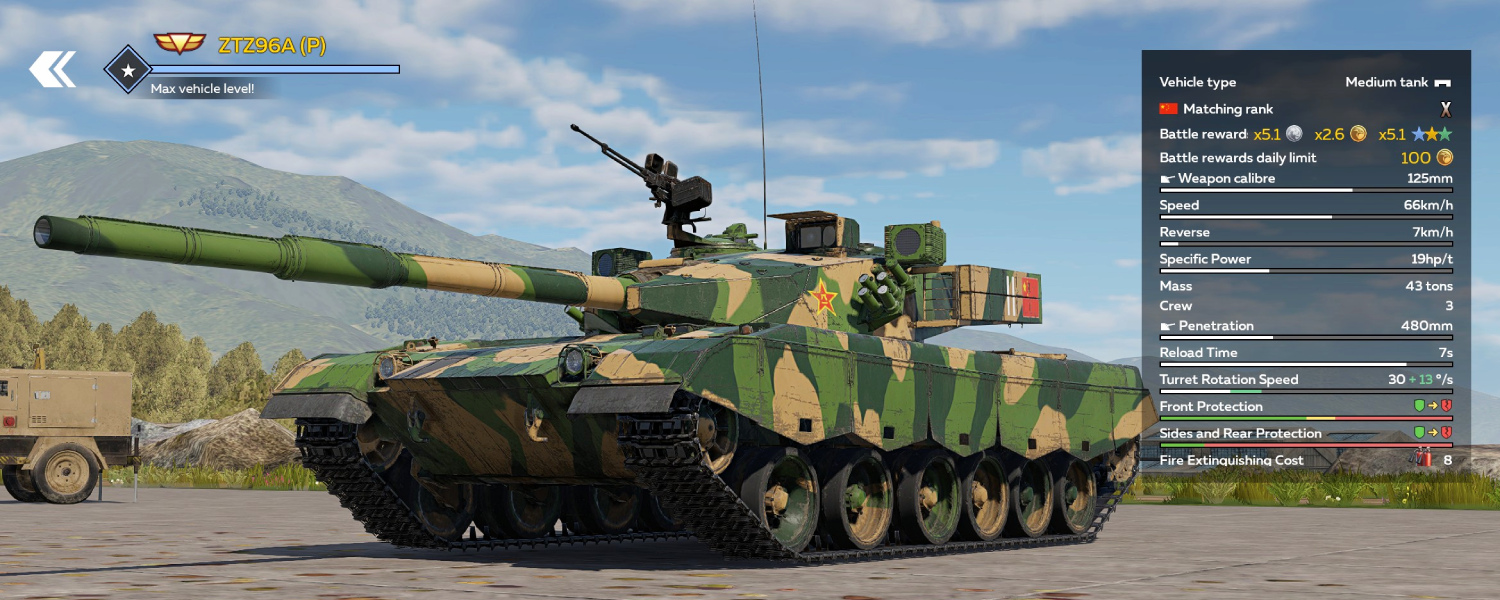
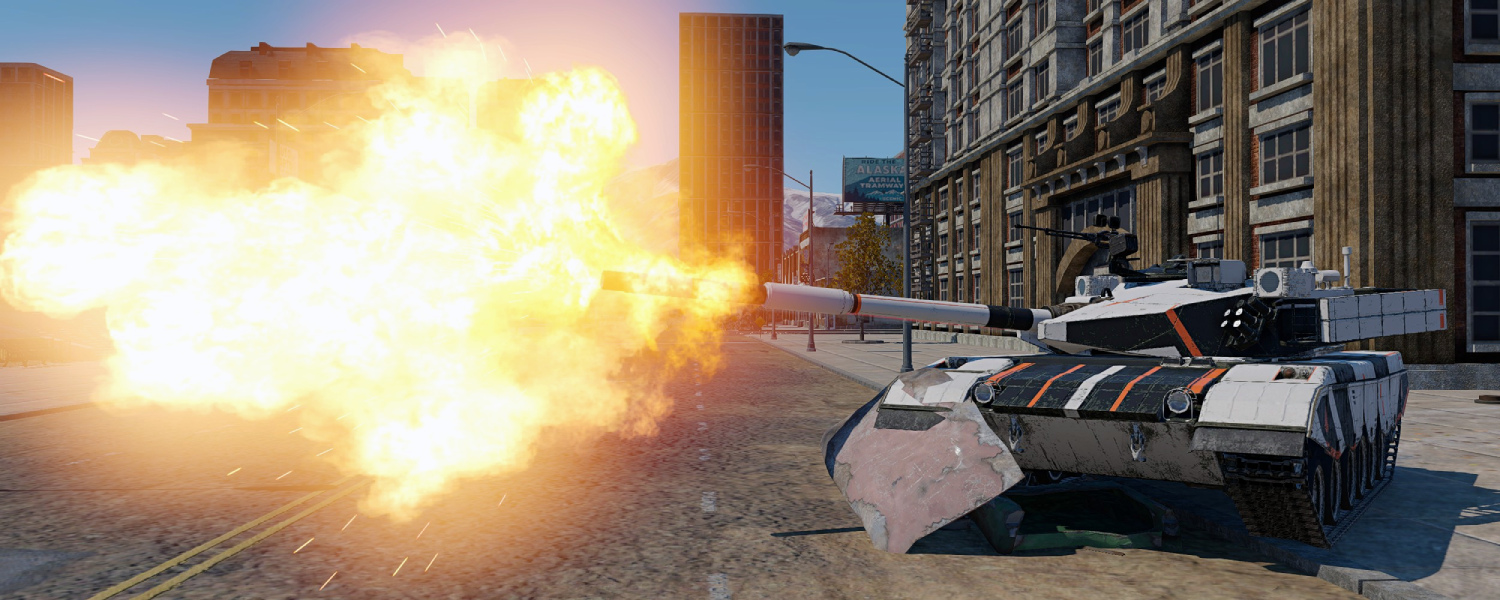
The ZTZ96A (P) is a prototype of a modern Chinese MBT, distinguished from production vehicles by its turret: rather than the standard arrowhead-shaped ERA mount, it features spaced armor in a distinctive “needle-nose” profile.
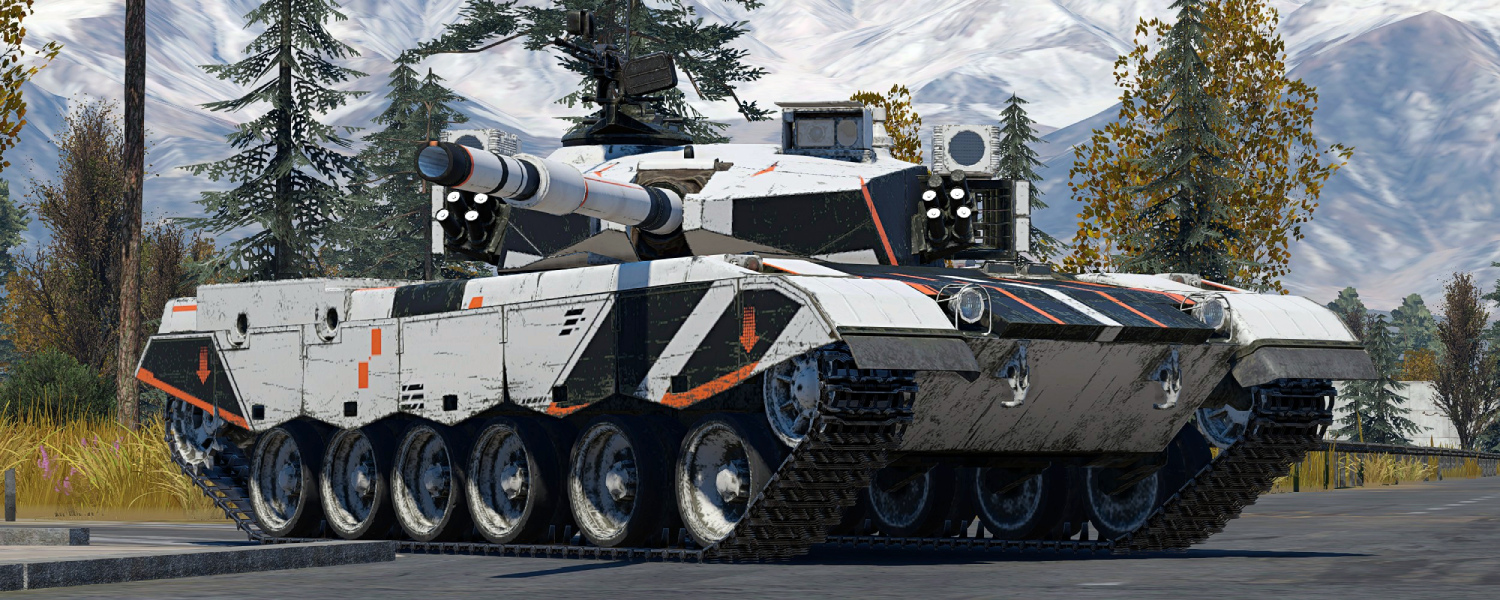
The solution is unconventional but effective – the turret front proved highly resilient, capable of absorbing hits from many opponents at its rank. Combined with hull ERA, this makes the vehicle a surprisingly survivable platform.
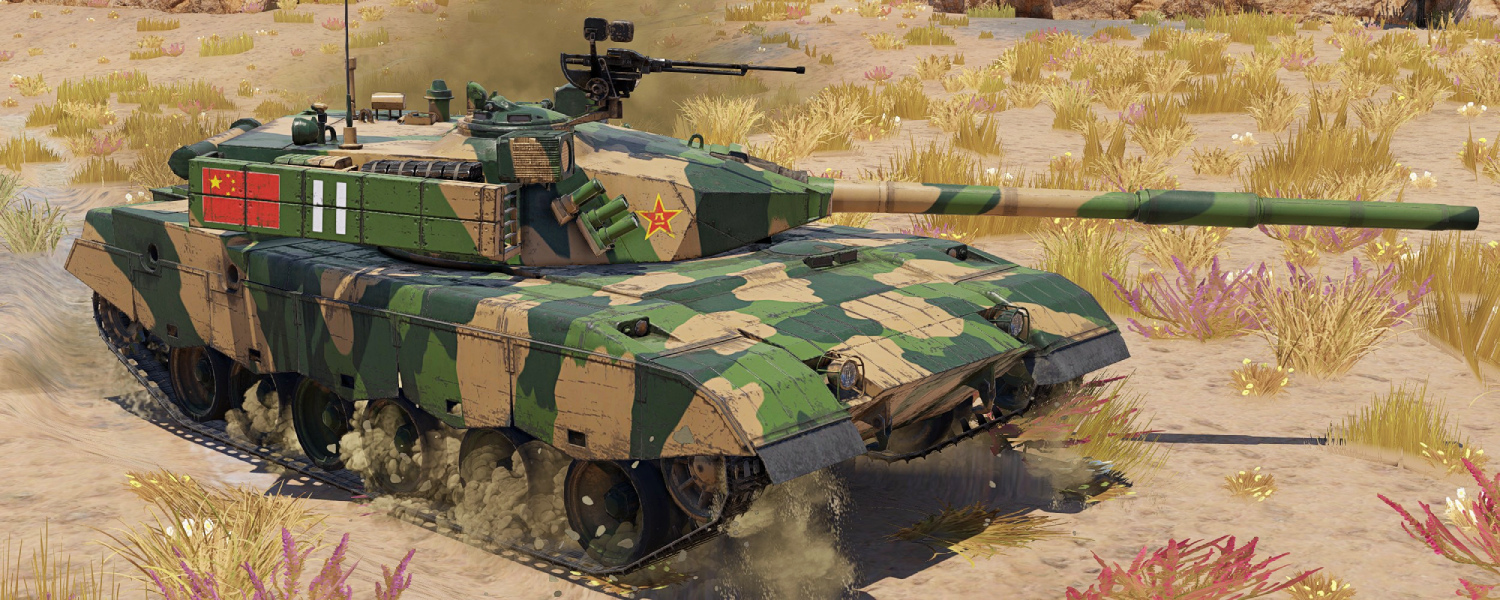
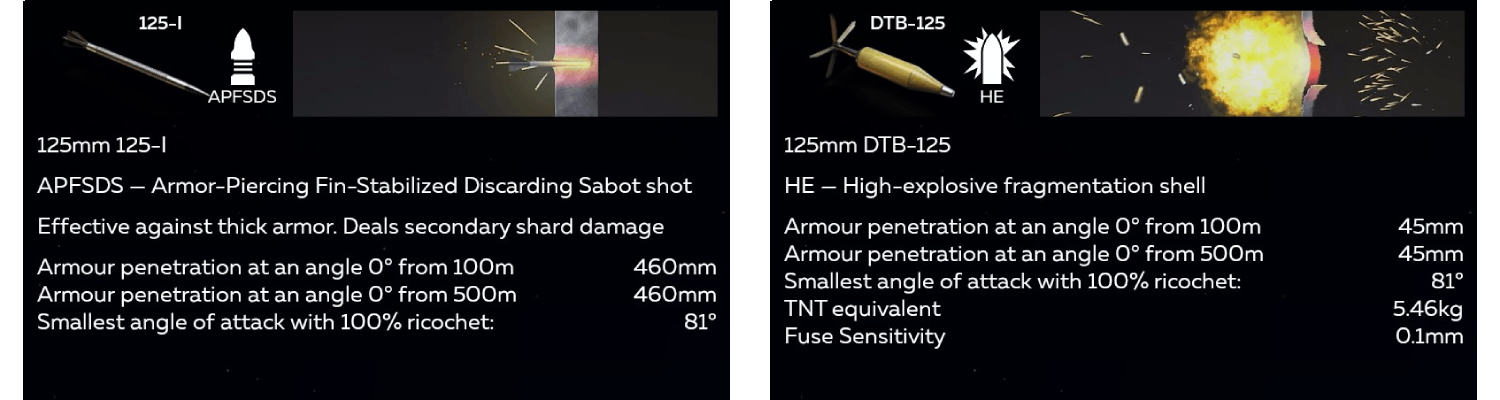
The armament is a 125 mm smoothbore cannon fed by a carousel-type autoloader, similar to the systems found in Soviet and Russian tanks. The ammunition load includes three shell types, with the primary round being the 125-I APFSDS at over 460 mm of penetration – sufficient to defeat the frontal armor of nearly any opponent.
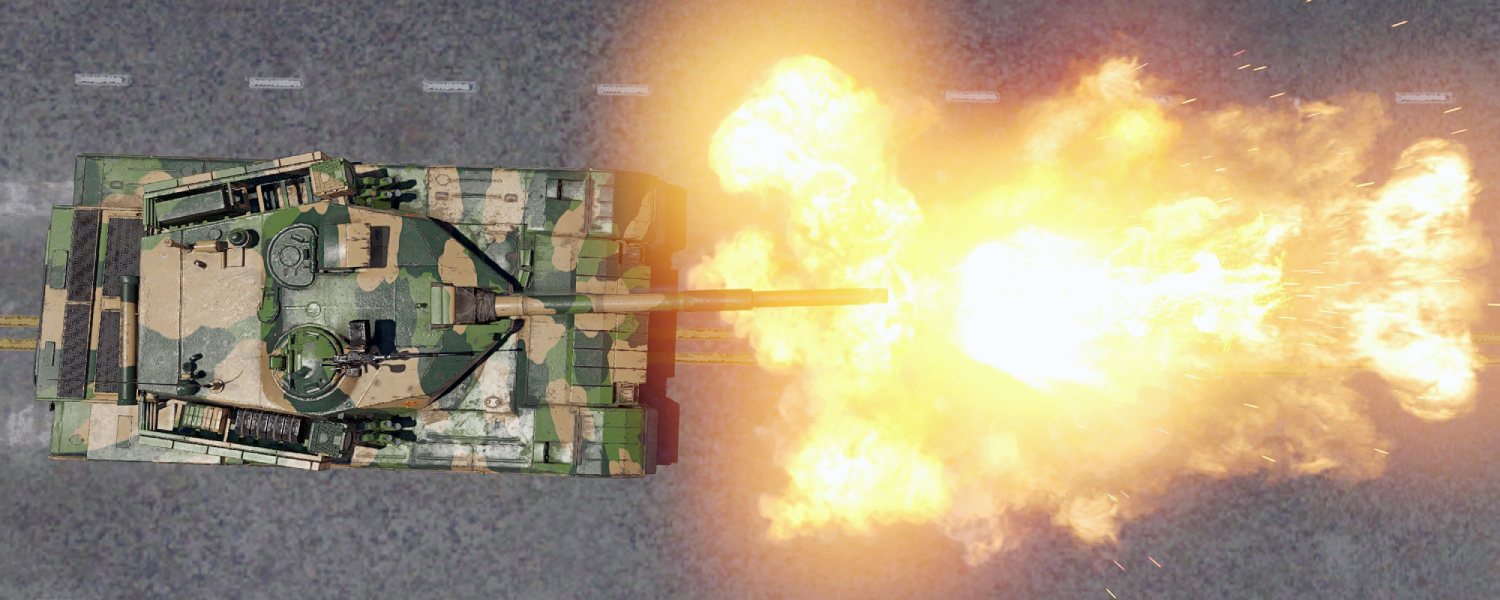
View the characteristics of the ZTZ96A (P)’s shells:
View the characteristics of the ZTZ96A (P)’s shells:
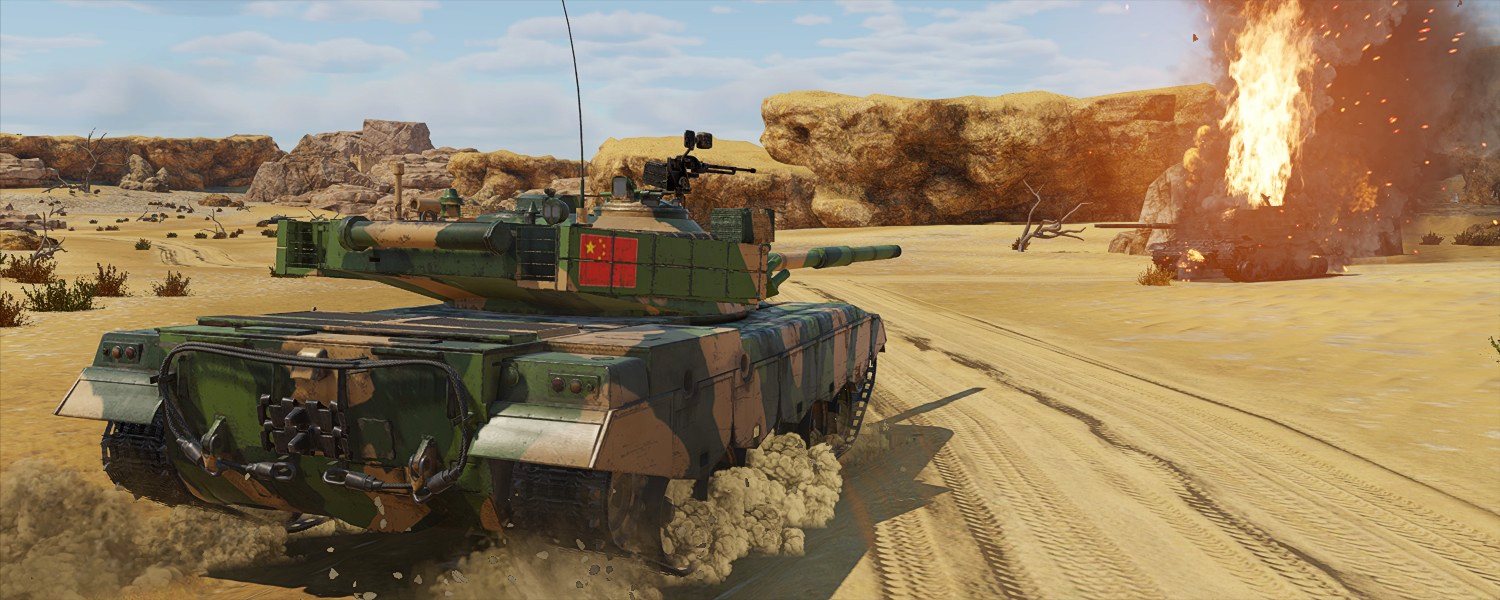
Inherited from the Soviet MBT concept alongside the autoloader is a transmission that results in very low reverse speed.
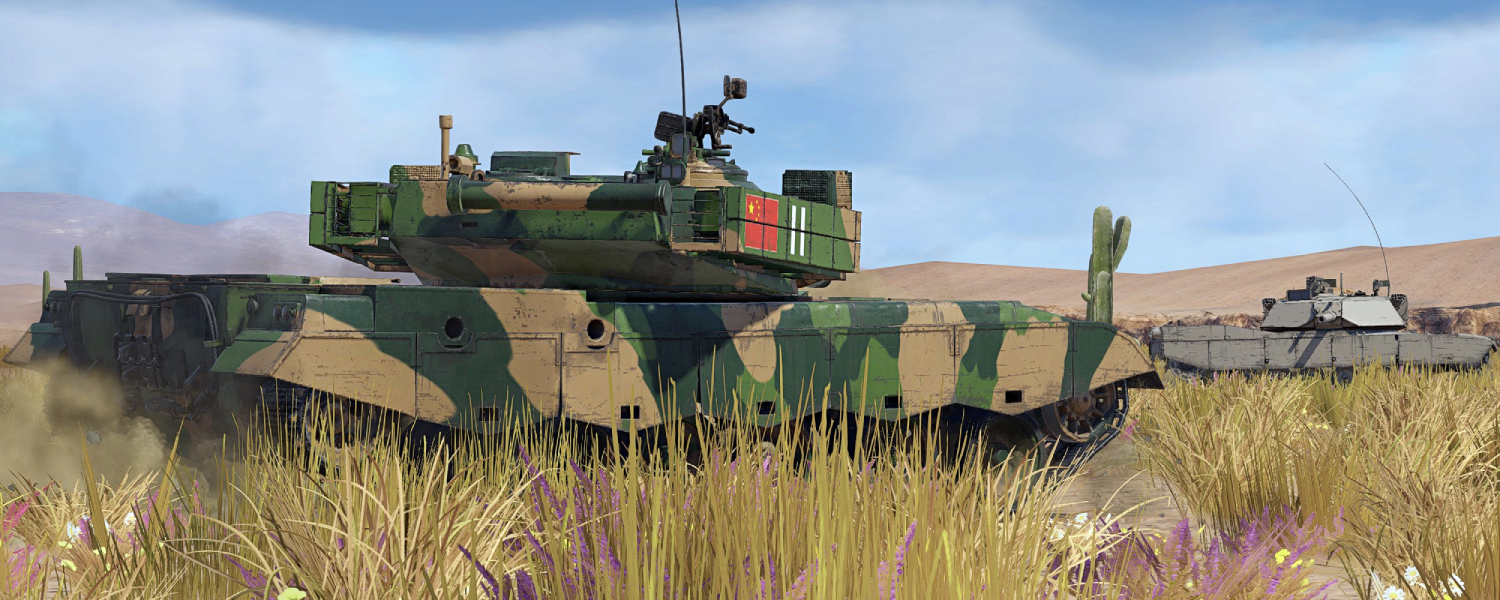
Keep this in mind and plan your route carefully in advance to avoid being caught reversing under fire.
HMS Repulse (Rank IV)
Historical Note
HMS Repulse belonged to a class of battlecruisers whose design began in late 1914 as a development of the Revenge class. Both ships were built at a rapid pace, though neither made it to the Battle of Jutland – Repulse entered service in August 1916, her sister ship Renown a month later.
During World War I, Repulse saw action only at the Second Battle of Heligoland Bight. With the outbreak of World War II, she became actively involved in combat operations, including the Norwegian Campaign. In 1941, she was dispatched to Singapore, where she joined the battleship Prince of Wales. In December of that year, both ships were sunk by Japanese air attacks in the South China Sea.
Brief Overview
- Strengths: High damage output and rate of fire from the 381 mm main guns, and good mobility.
- Weaknesses: Weak armor and a limited main battery gun count.
- Role in battle: A mobile but lightly protected battlecruiser, best employed from the second line.
In Battle
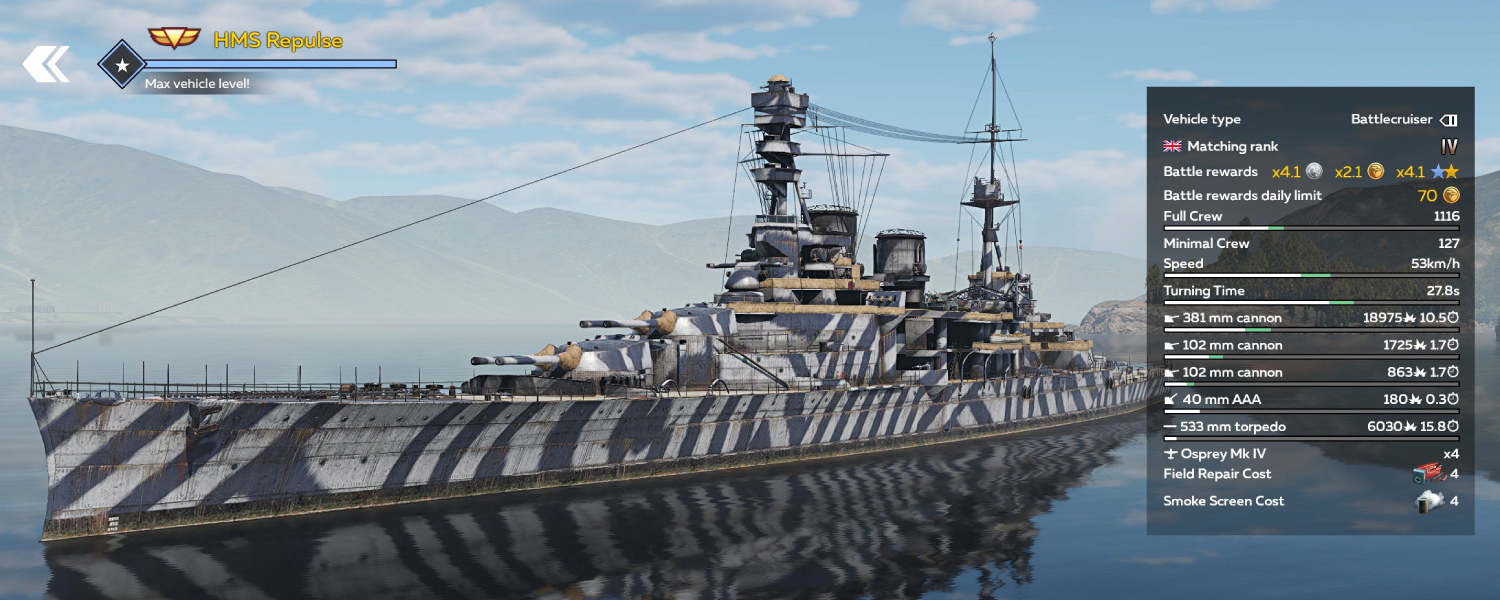
In terms of main battery salvo power, HMS Repulse’s armament approaches that of a full battleship.
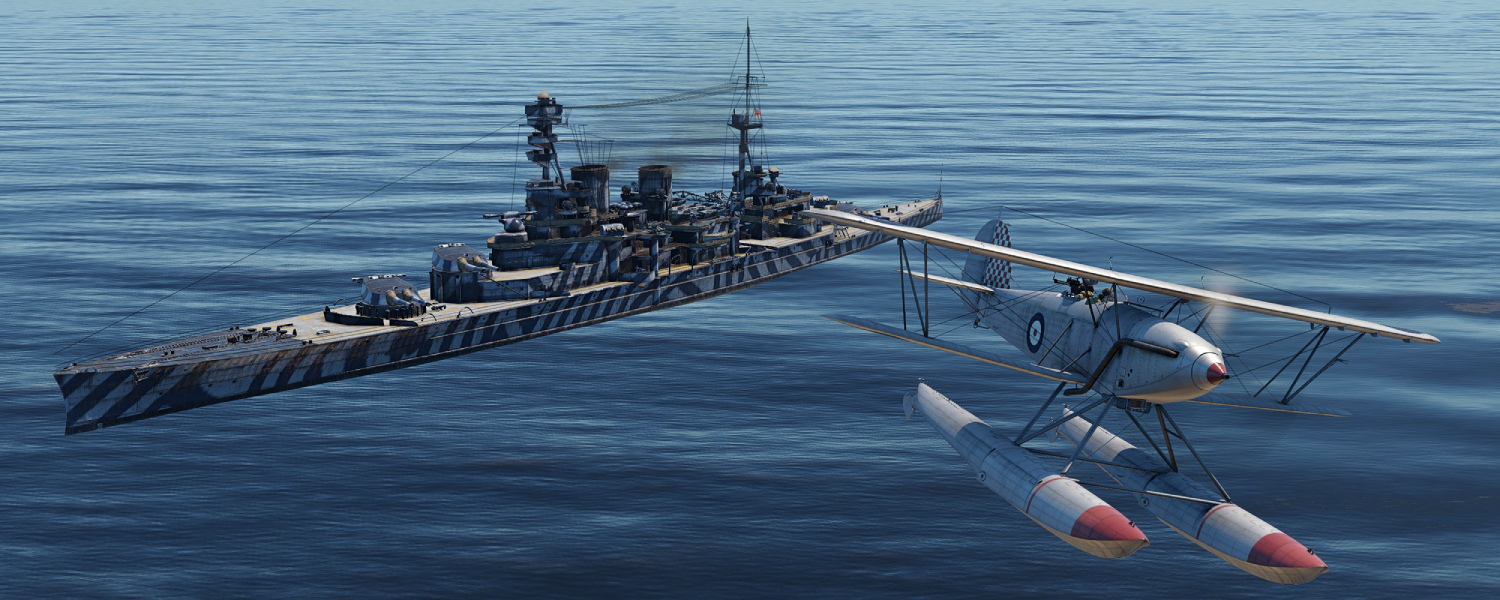
Six 381 mm guns across three turrets – two forward, one aft – deliver a dense and effective broadside. The reload speed is also noteworthy: despite having fewer main guns than many competitors, they cycle faster.
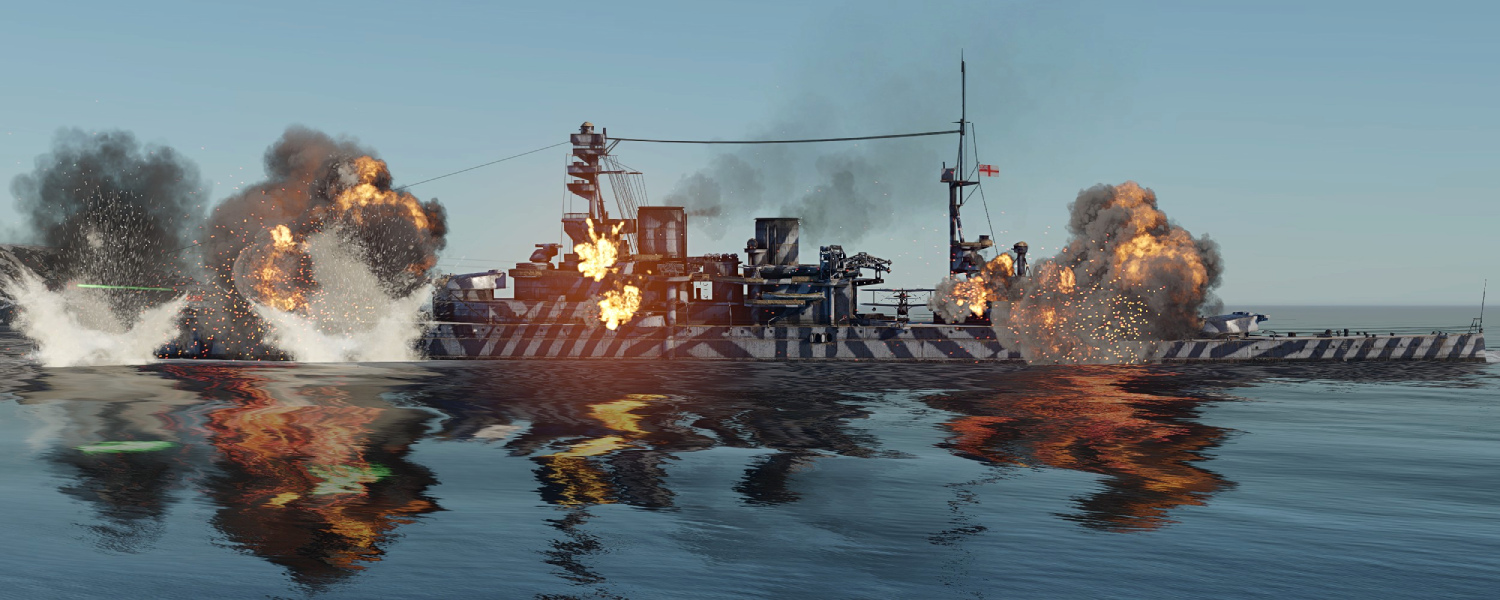
Protection is the ship’s clear weakness. HMS Repulse’s armor belt is long but comparatively thin. Her sailing qualities, however, are excellent – the ship accelerates quickly and maneuvers with ease, allowing her commander to control engagement distance and evade incoming fire.
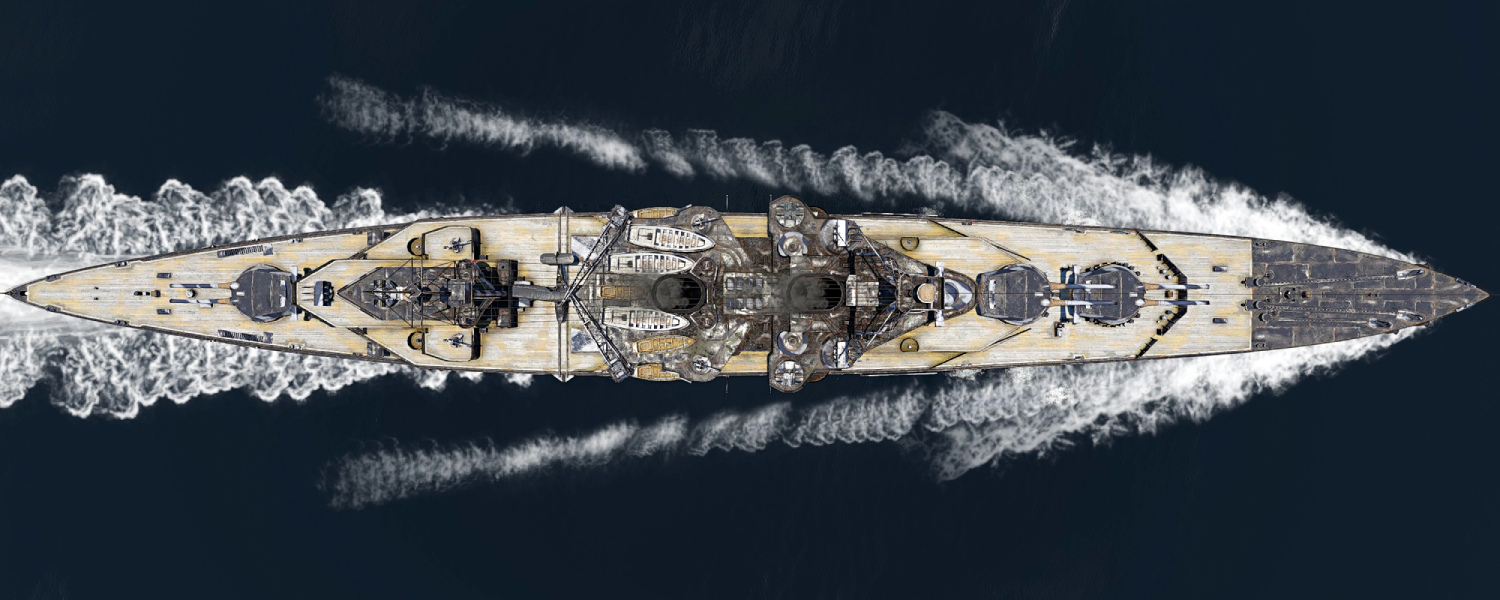
These qualities define her tactics: speed and distance. Avoid prolonged firefights – her armor will not hold up under sustained punishment. Stay on the second line, support allies with powerful salvos, and use her mobility to deny the enemy a stable firing solution.
Tu-14T (Rank IX)
Historical Note
The Tu-14 (NATO reporting name Bosun, meaning “boatswain”) was developed by the Tupolev design bureau from 1947 as part of Project 73. The aircraft was initially fitted with three British Rolls-Royce engines: two Nenes and one Derwent V, as two engines alone could not deliver the required performance. The later introduction of more powerful domestic VK-1 engines eliminated the need for the third, and its place in the tail was taken by a defensive turret. In 1951, the Tu-14 successfully passed state acceptance trials and entered service.
Its main competitor, the Il-28, proved more suitable for land forces. The Tu-14 was consequently adapted to carry torpedoes, received the T designation, and was transferred to naval aviation, where its spacious bomb bay proved well suited to the role. Serial production continued until February 1953, with a total of 89 aircraft completed. The complexity of the design prevented mass production, and the aircraft was withdrawn from service as early as 1957.
Brief Overview
- Strengths: Up to 3,000 kg of bombs, a highly effective tail turret, high maximum speed, and two forward-firing 23 mm cannons.
- Weaknesses: Slow acceleration and mediocre maneuverability.
- Role in battle: An early Soviet jet bomber with a substantial bomb load and excellent defensive armament.
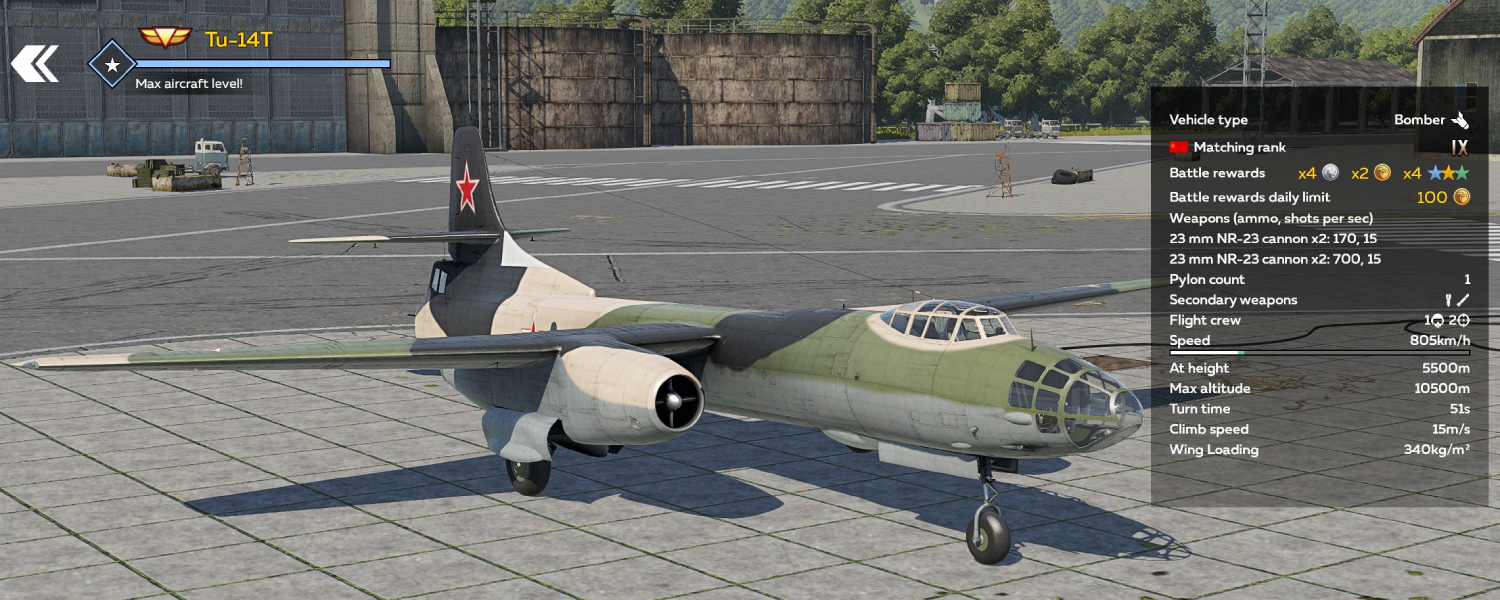
In Battle
The Tu-14T is a close relative of the Il-28, already familiar to War Thunder Mobile pilots – the most visible difference being the elongated fuselage designed to accommodate a steam-gas torpedo. The two aircraft share similar strengths and weaknesses, so let’s run through the key ones. The good news: the pros outweigh the cons.
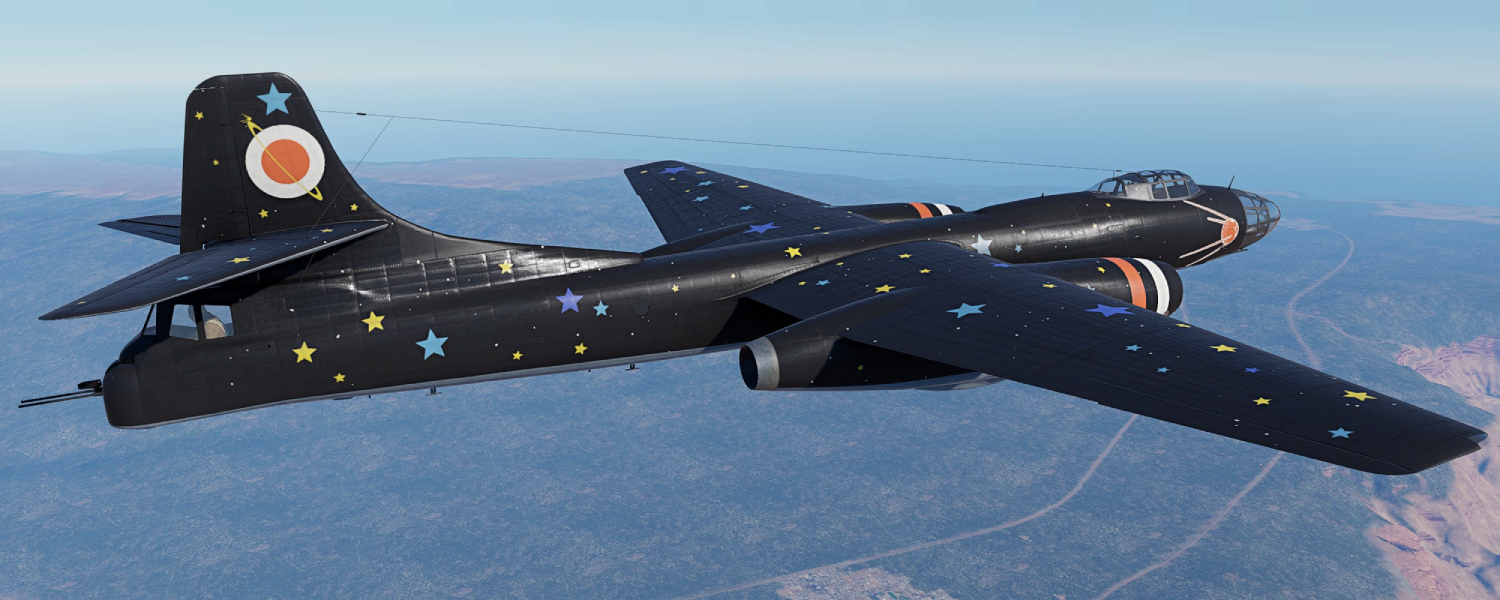
The first advantage is a solid bomb load of up to 3,000 kg. The choice between a single 3,000 kg bomb or a pair of 1,500 kg bombs makes the Tu-14T particularly convenient for destroying bases. High maximum speed is another strength – the Tu-14T is barely slower than many fighters at its rank. The forward-firing 23 mm cannons round things out: during bomb reloads, they offer a genuine opportunity to pick off an opponent or two on attack runs.
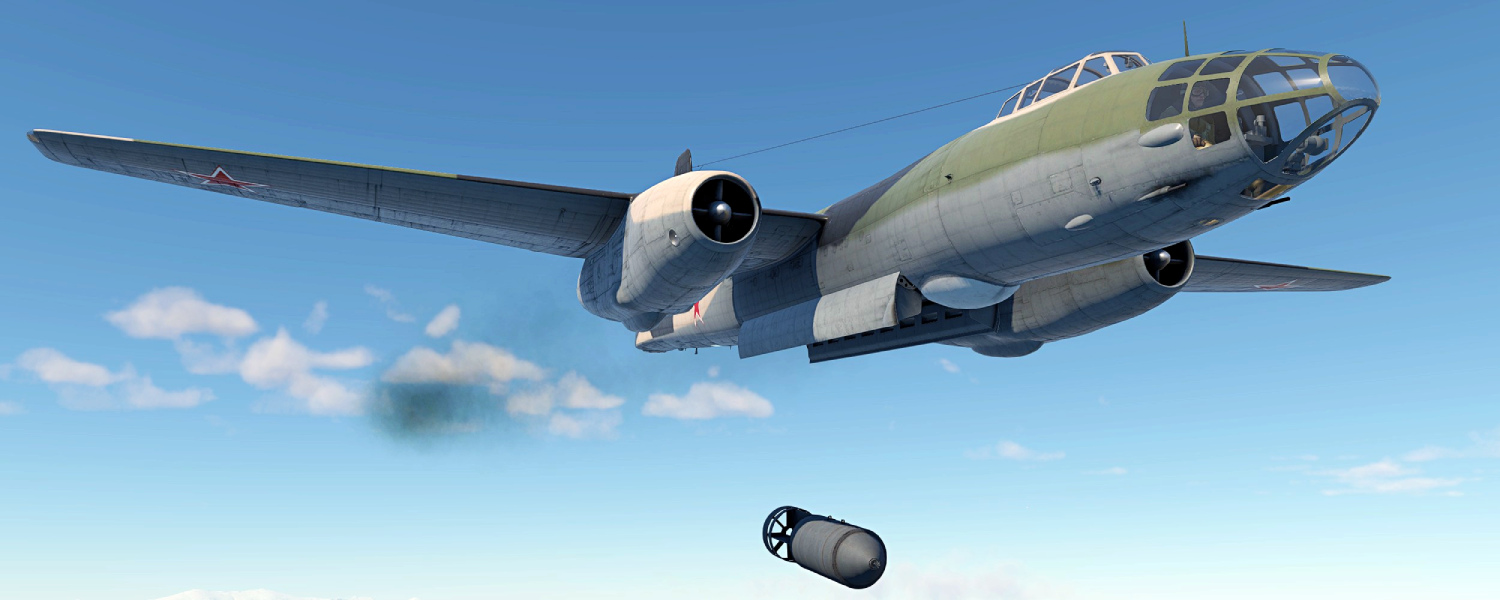
The Tu-14T’s most dangerous feature, shared with the Il-28, is its tail turret – twin 23 mm cannons with wide firing angles that makes sustained pursuit extremely hazardous. Remaining on the Tu-14T’s tail for more than a few seconds is a poor decision for any pursuer. Fighters will need considerable skill and ingenuity to attack from sectors the turret cannot cover, and at high speed.
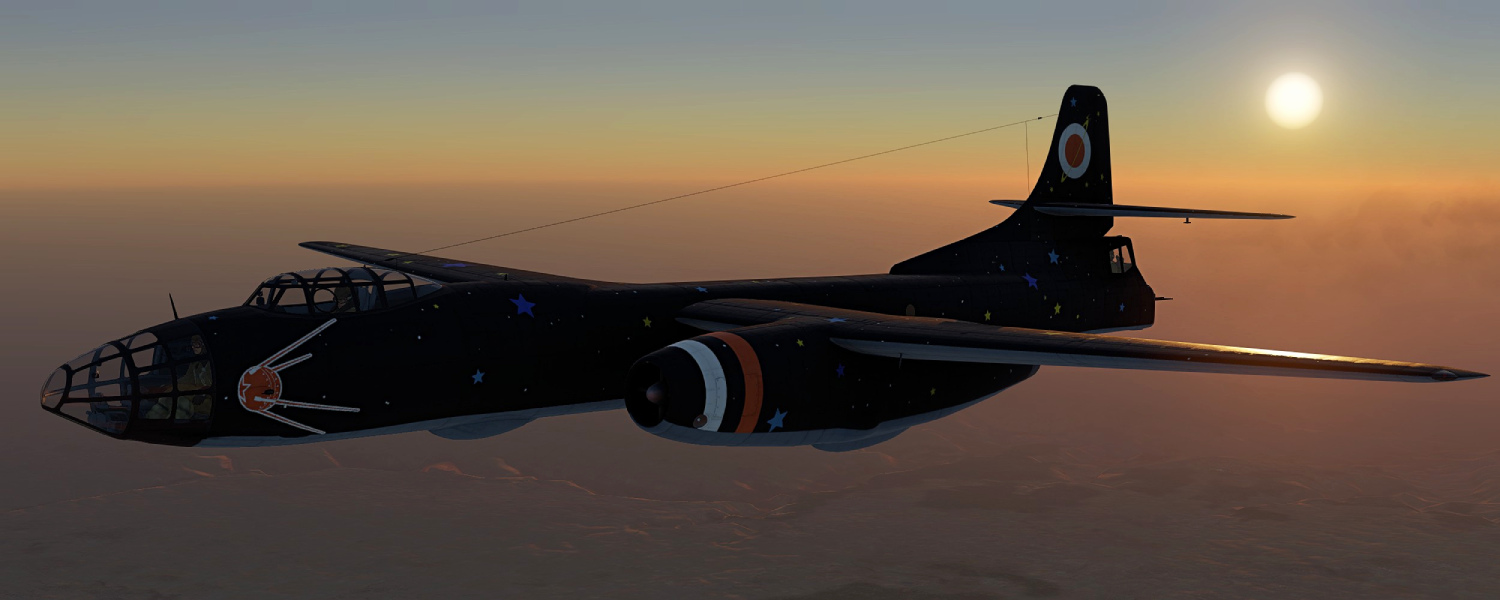
The drawbacks are the sluggish acceleration typical of early jets and wide turn radii, partly a consequence of the aircraft’s size. Beyond those limitations, the Tu-14T is an excellent jet bomber for destroying bases and ground targets.
Seasonal Challenge
After completing the event tasks between October 15th to October 22nd (ends at 07:00 GMT), you can receive the maximum discount on the Seasonal Offers!
Don’t miss the fantastic chance to buy great premium vehicles at a discount and receive bonus Big Trophy keys from the “Launch Protocol” season.